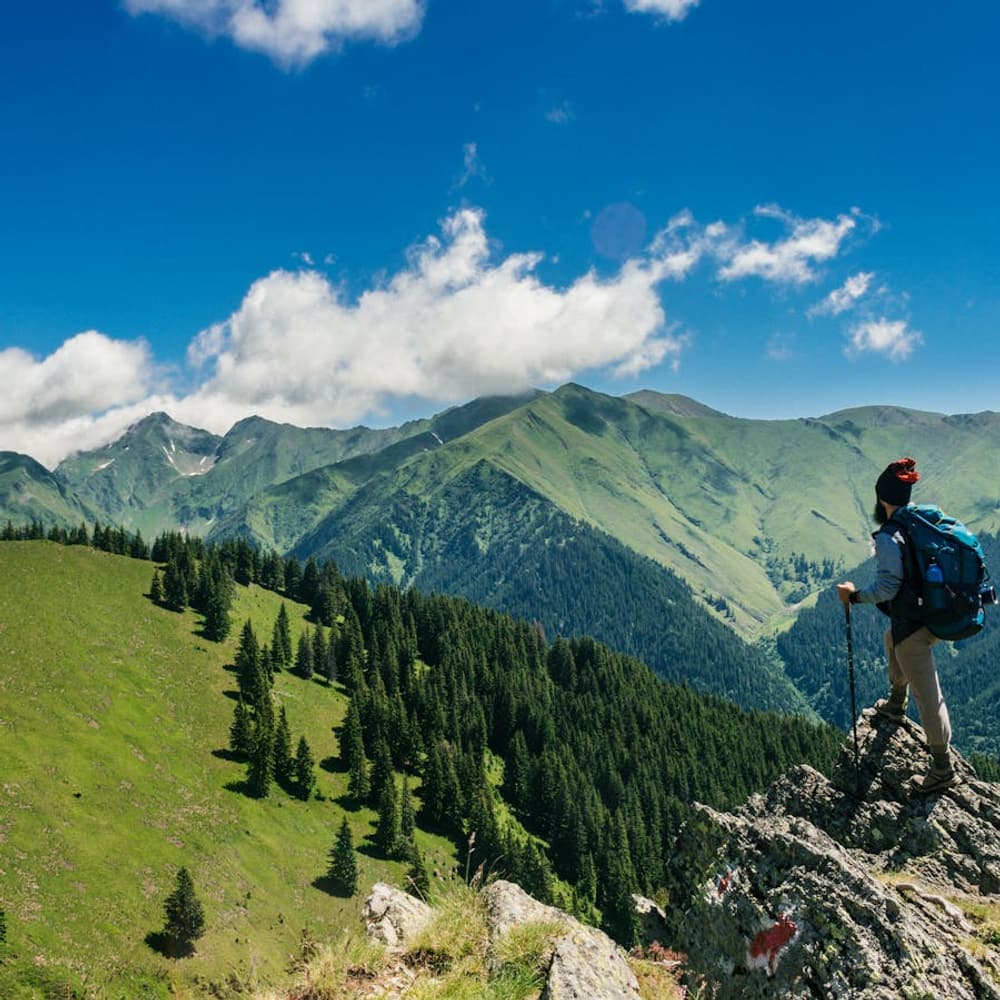
My first backpacking trip ended with a sore back, three shirts I never wore, and a lesson I still repeat: your pack is a monthly rent bill you carry on your shoulders. Beginners do not need the lightest ultralight gear on the market—they need a clear budget, a sane packing list, and the confidence to say no to extra stuff that looks cool in a store.
This guide is for travelers who want multi-week or multi-month trips without bleeding money. It covers money planning, gear basics, daily costs, accommodation choices, and the social side of hostels and shared spaces.
Backpacking budget math that keeps you on the road
Split your money into three buckets: pre-trip (gear, insurance, visas), transport (flights and intercity tickets), and on-the-ground daily costs. Beginners often budget only the third bucket and panic in week two.
Pick a region-specific daily range. Southeast Asia and parts of Central America still allow modest daily spends for hostel travelers who cook occasionally. Eastern Europe and portions of South America sit slightly higher but offer strong culture per dollar. Write your number, then add 15 percent padding for bad exchange days and splurges—you will use it.
Gear: buy fewer things, better where it counts
Prioritize fit: try packs with weight loaded. Aim for 40–55 liters for most first trips unless you are camping. Shoes matter more than jackets—broken-in walking shoes and one light rain layer beat a pile of “just in case” clothing.
Pack cubes, a microfiber towel, a lock, refillable bottle, and a basic first-aid kit cover 80 percent of hostel life. Leave room for souvenirs by starting slightly under capacity. Laundry exists everywhere; you do not need fourteen shirts.
Beginner packing list (two-week template)
Three tops, two bottoms, one warm layer, seven underwear, quick-dry towel, toiletries in travel sizes, copies of documents, power adapter, headlamp, and a daypack that fits under your main bag for walks and transit days.

Accommodation: hostels, guesthouses, and work exchanges
Hostels are not only party dorms. Many offer private rooms, kitchens, and social calendars that help solo travelers connect safely. Read reviews for locker size, Wi-Fi stability, and noise. Guesthouses and family pensions can be cheaper than mid-range hotels with more character.
Work exchanges and volunteering can reduce costs, but research hours, visa rules, and expectations. Your time has value—do not trade it for a broken bed in a remote location unless you genuinely want that experience.
Food and health on a tight daily spend
Rotate street food with supermarket meals. Watch busy stalls, peel fruit when appropriate, and carry hand sanitizer. Travel insurance with medical evacuation is non-negotiable for backpacking trips—one clinic bill can erase a month of savings.
Staying safe and socially smart
Share rough plans with someone at home, avoid flashing expensive electronics, and trust discomfort in empty areas. In social spaces, pace alcohol, watch your drink, and store valuables in lockers. Most travelers are kind; still, boring safety habits keep trips fun.
Sample 14-day beginner route shape
Fly into a hub city, spend three days learning transit and ATMs, take an overnight bus to a secondary town, hike or explore two days, return to the coast or cultural center, then fly out from the same region to avoid repositioning costs. Keep moving; do not chase twelve cities in fourteen days.
Backpacking on a budget is freedom with structure. Pack light, track spending nightly, choose routes where your dollar matches your comfort level, and remember: the goal is days on the road, not stuff in your bag.
Border crossings and money on the trail
Carry a small stash of USD or euros for emergencies in regions where ATMs fail intermittently. Split cash and cards across two locations on your body and in your pack so one theft does not zero you out. Notify your bank of regions, not every single day—broad date ranges reduce false declines.
On overnight buses, secure your pack to the seat frame with a compact cable lock, keep valuables in a lap bag, and wear layers for unpredictable AC. A eye mask and earplugs are budget items with first-class impact on arrival energy.
Social confidence without overspending
Hostel common areas are networking gold if you contribute: wash your dishes, share route tips, and avoid dominating conversations. You will hear about cheaper trails, trusted drivers, and group splits on tours—social capital lowers costs as reliably as coupons.
Health and hygiene on a shoestring
Pack a small medical kit: blister care, pain reliever, rehydration salts, and any personal prescriptions in original bottles with labels. Clinic visits abroad are manageable with travel insurance, but prevention is cheaper than urgent care for ignored hotspots.
Laundry strategy: wash small items nightly, use dry bags for damp clothes, and carry a microfiber towel that dries quickly. Smell and chafing ruin trips faster than hunger—hygiene is part of budget discipline.
First week nerves
Jet lag and culture shock push overspending on familiar food and taxis. Expect it, plan a soft landing city, and let days three to seven be where real budget habits begin.
Leaving room for generosity
Budget travel is not miser travel. Tip fairly, pay entrance fees that support heritage sites, and buy from local artisans when something truly moves you. Generosity fits a backpack budget when you skip meaningless purchases earlier in the week.
Putting it into practice this week
Pick one idea from this guide and test it on your next three travel days—whether at home in a “staycation” practice mode or on the road. Change one booking habit, one food routine, or one transport default. Small edits compound faster than radical promises to “be more disciplined” without specifics.
Share your results with a friend who travels similarly. Comparing notes surfaces local hacks faster than scrolling generic lists. Budget travel communities thrive on specifics: prices, neighborhoods, and routes—not vague inspiration.
Finally, measure success in days lived, not dollars feared. The goal is more life per dollar, not misery per milestone. When your plan matches that principle, cheap travel stops feeling like a compromise and starts feeling like a smart way to see the world.