Cultural Etiquette Mistakes Tourists Should Avoid
Small etiquette slips can sour a trip—here is how to read local signals and show respect before you even speak the language.

Small etiquette slips can sour a trip—here is how to read local signals and show respect before you even speak the language.

The festivals worth crossing oceans for are rarely the loudest billboards—they are the ones tied to harvest, memory, and shared tables.
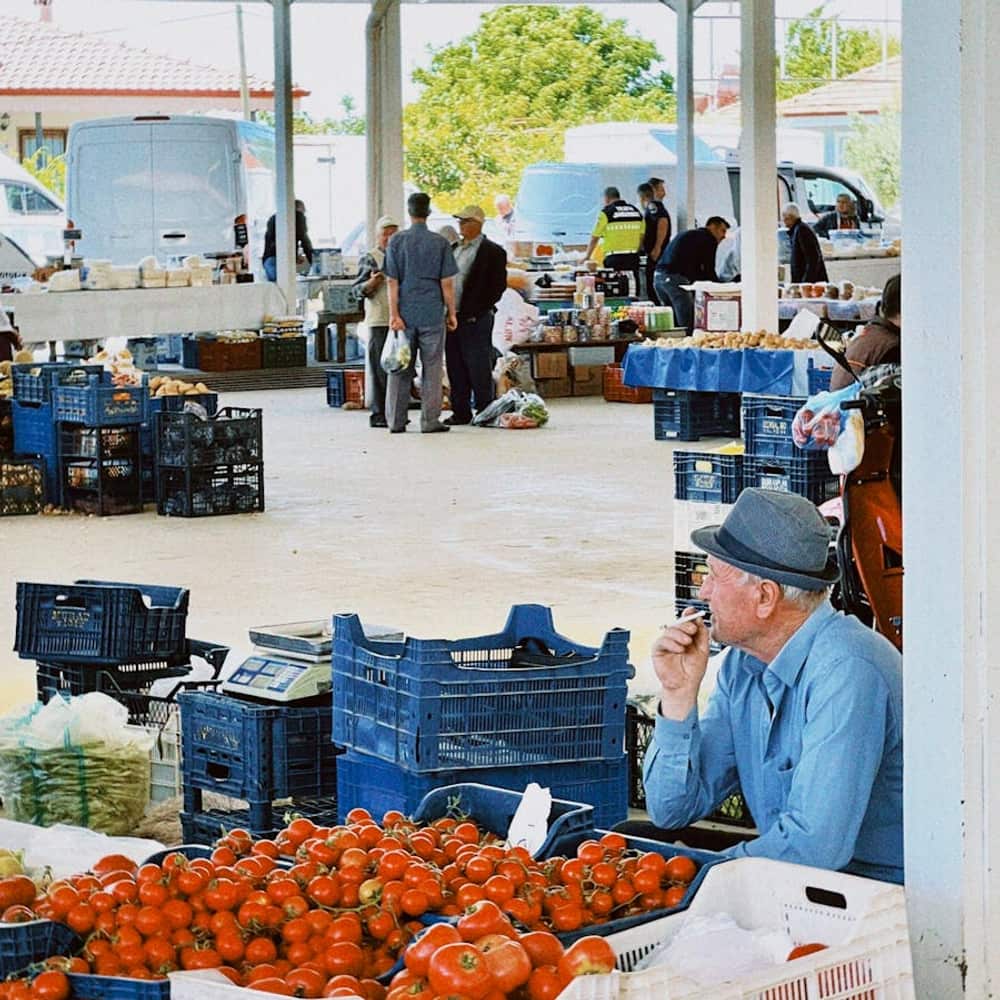
A country's plate is rarely accidental—staples, spice routes, and memory turn meals into a living map of who people are.
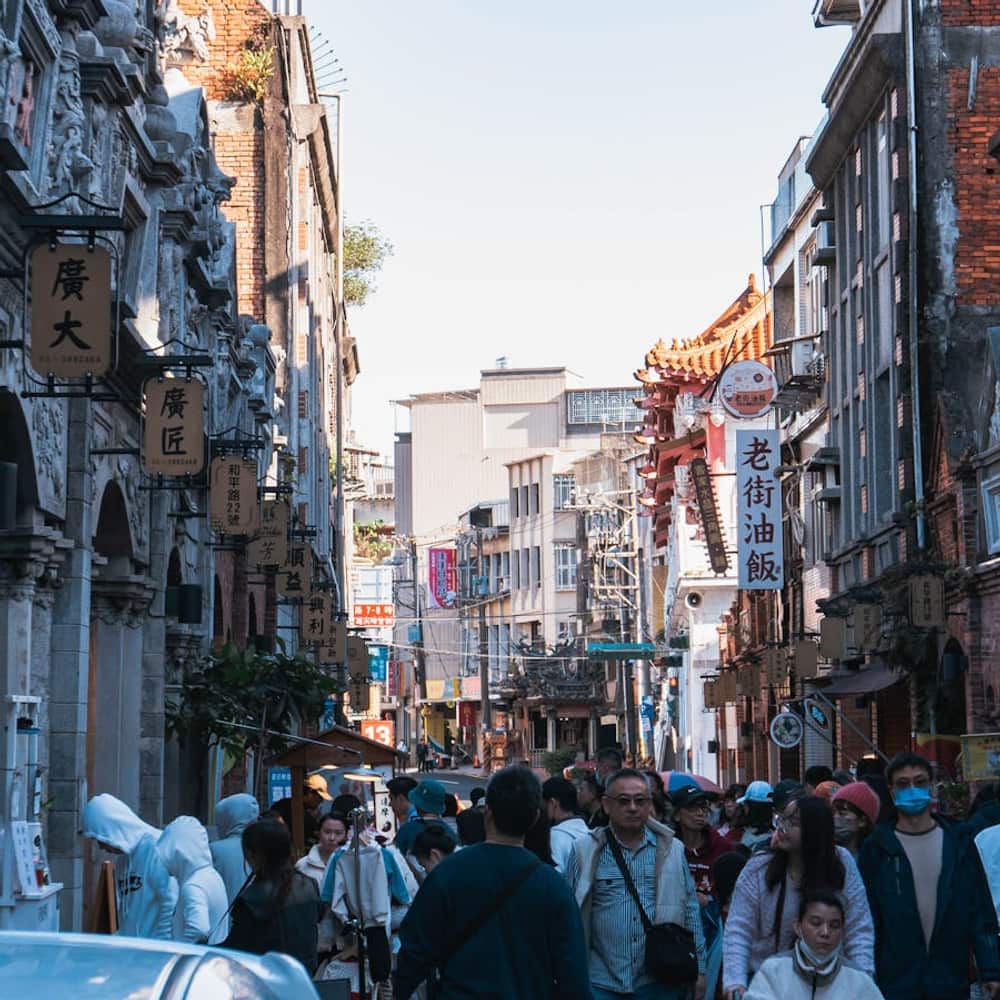
The markets worth flying for are loud, imperfect, and still run for neighbors first—show up early, cash ready, and curious.

A host family's kitchen table rewired how I travel: less performing, more listening, and far better questions.

Fabric is a sentence: cut, color, and weave tell you who a community was, is, and refuses to forget.

The surprises that stick are rarely dangerous; they are the small rules everyone forgot to put in guidebooks.

Meaning usually arrives on the third cup of coffee at the same café—not on the fifth city in five days.

The past is not over when drums still start at the same hour and grandparents still correct your grip on the tool.

Authentic cities are not frozen museums; they are places where residents still argue about soup, transit, and the future on the same corner.