Why Solo Travel Changes the Way You See the World
Traveling alone trains attention, judgment, and honest pace—and the shift often starts with one quiet meal you did not have to negotiate.
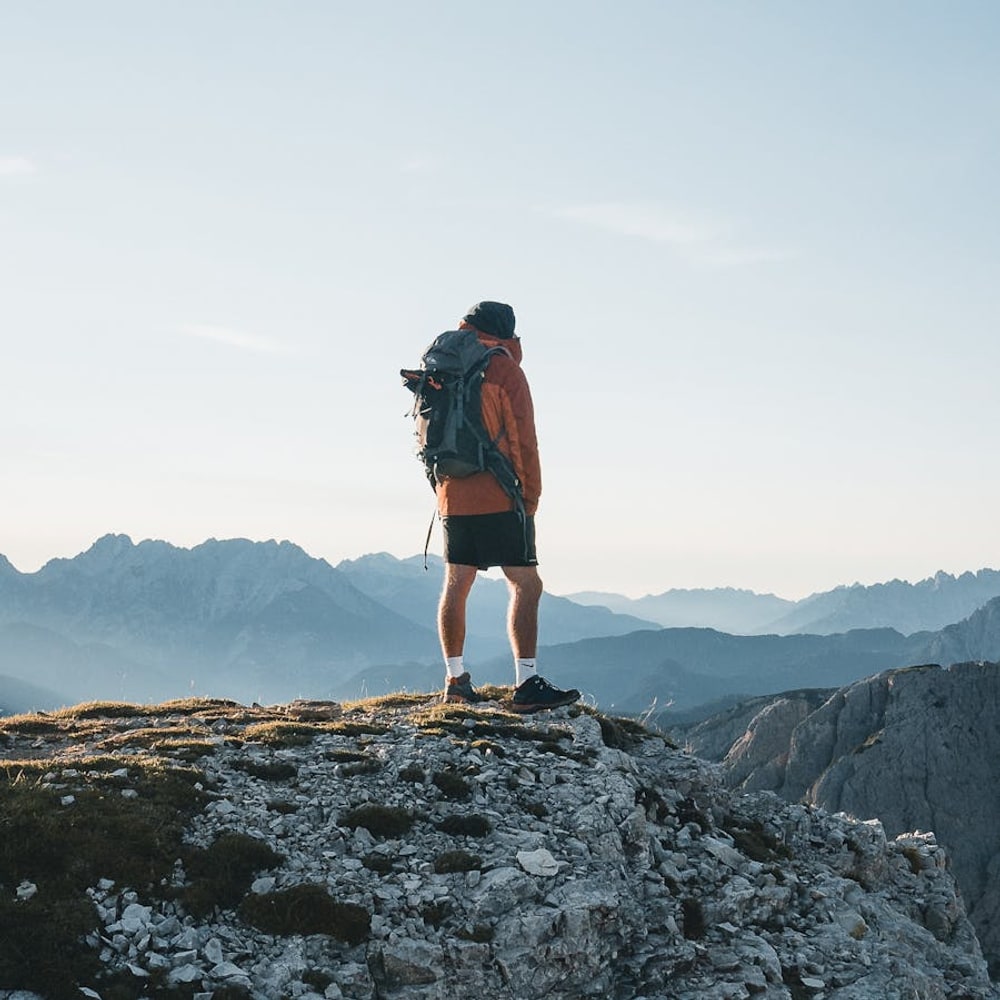
Traveling alone trains attention, judgment, and honest pace—and the shift often starts with one quiet meal you did not have to negotiate.
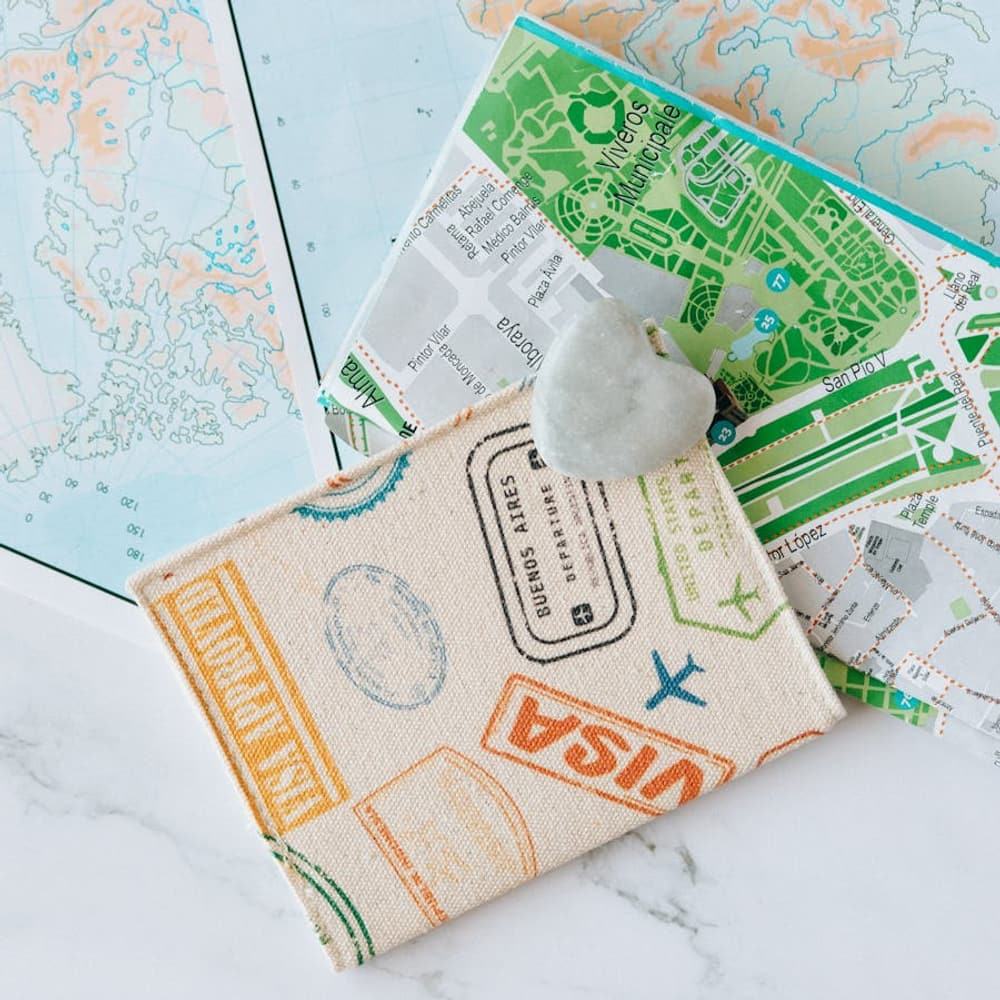
Your first solo passport stamp should come with good trains, clear signage, and room to recover from rookie mistakes.
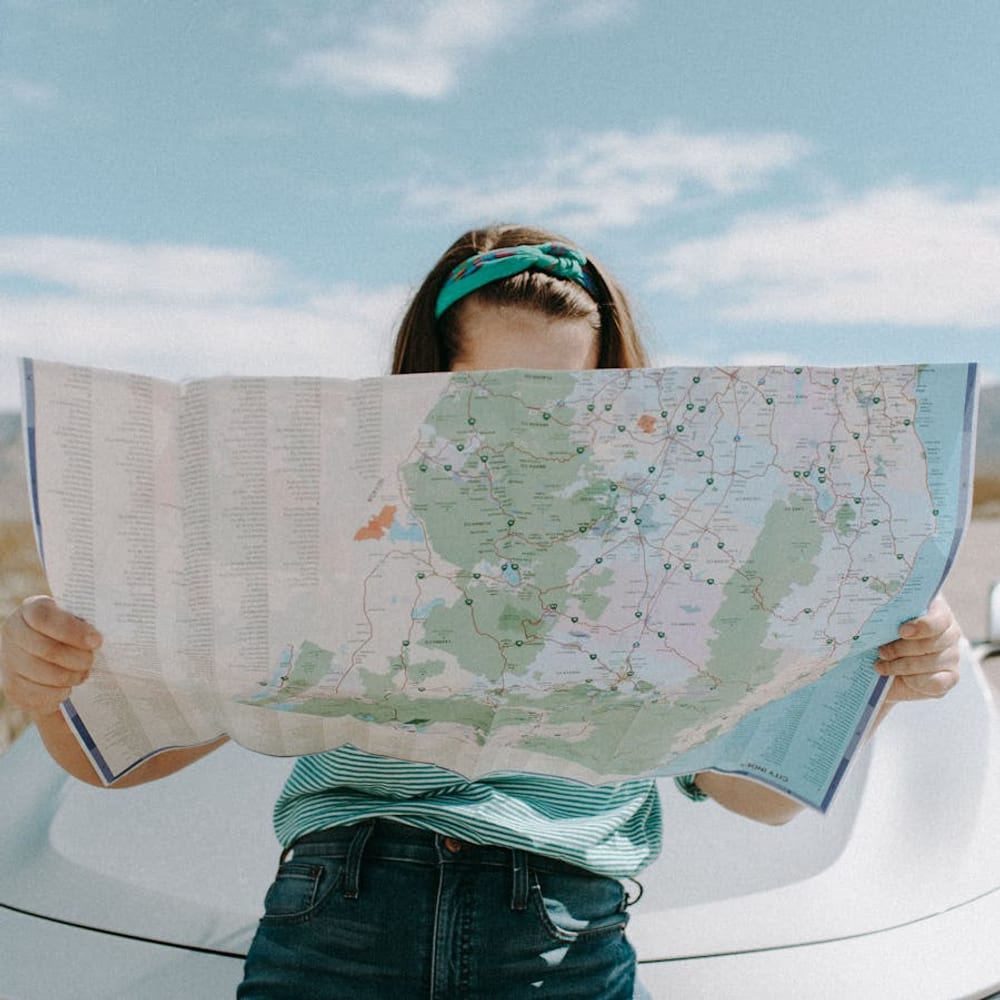
Staying safe alone is mostly repeatable habits—share plans, arrive in daylight, and trust early exits when a street feels wrong.
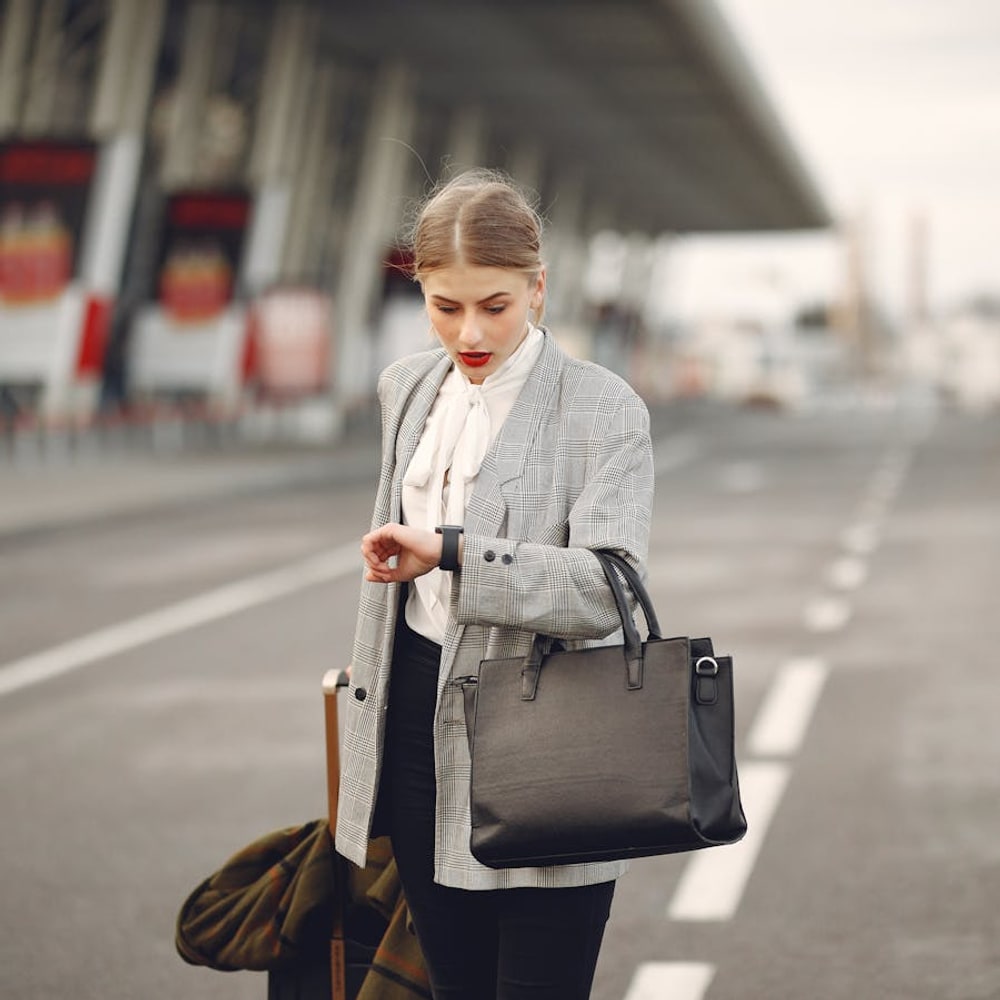
Most beginner solo trips fail softly: too much luggage, too little sleep, and itineraries that treat curiosity like a checklist race.
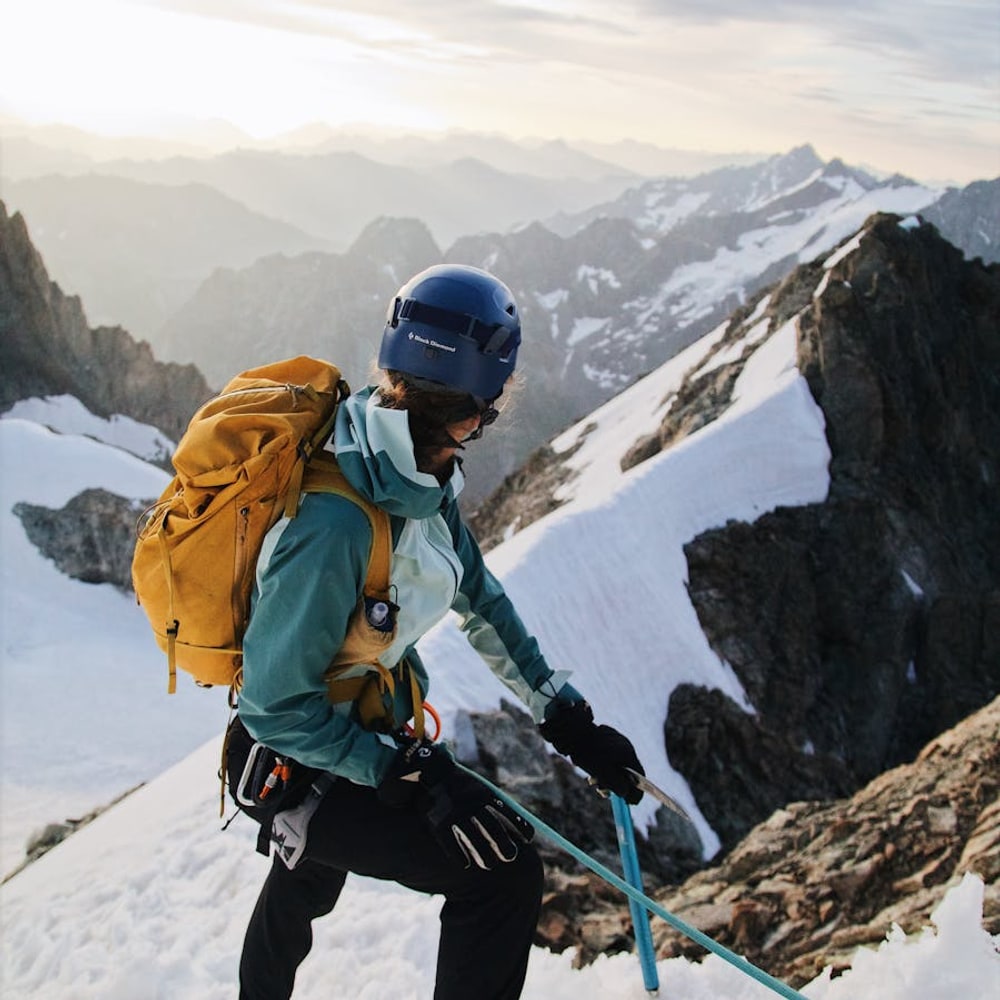
Traveling alone hands you the calendar and the bill—freedom feels light until loneliness, cost, and every decision land on one person.

The best cities for women traveling alone combine late-night transit, honest signage, and streets where solo café tables are routine—not novelty.
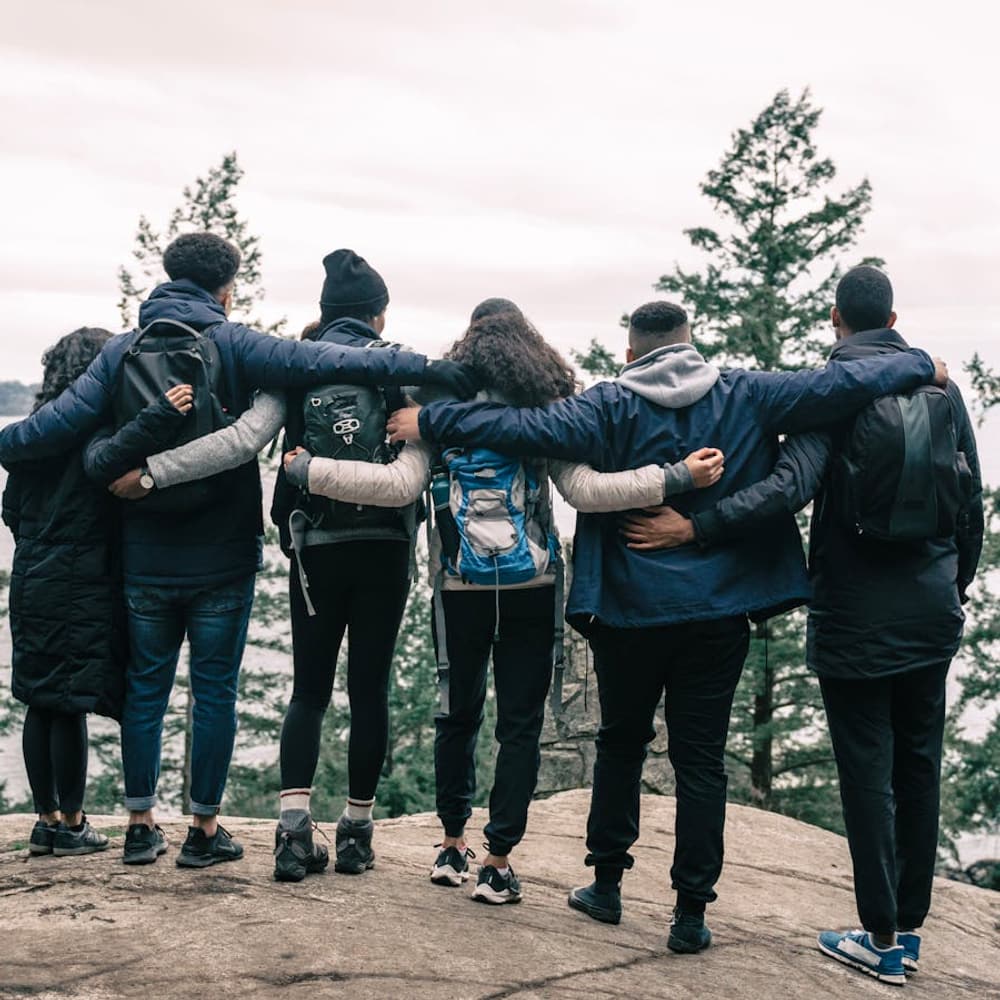
Solo travel does not mean silent travel—the best connections start with one structured yes and room to say no.
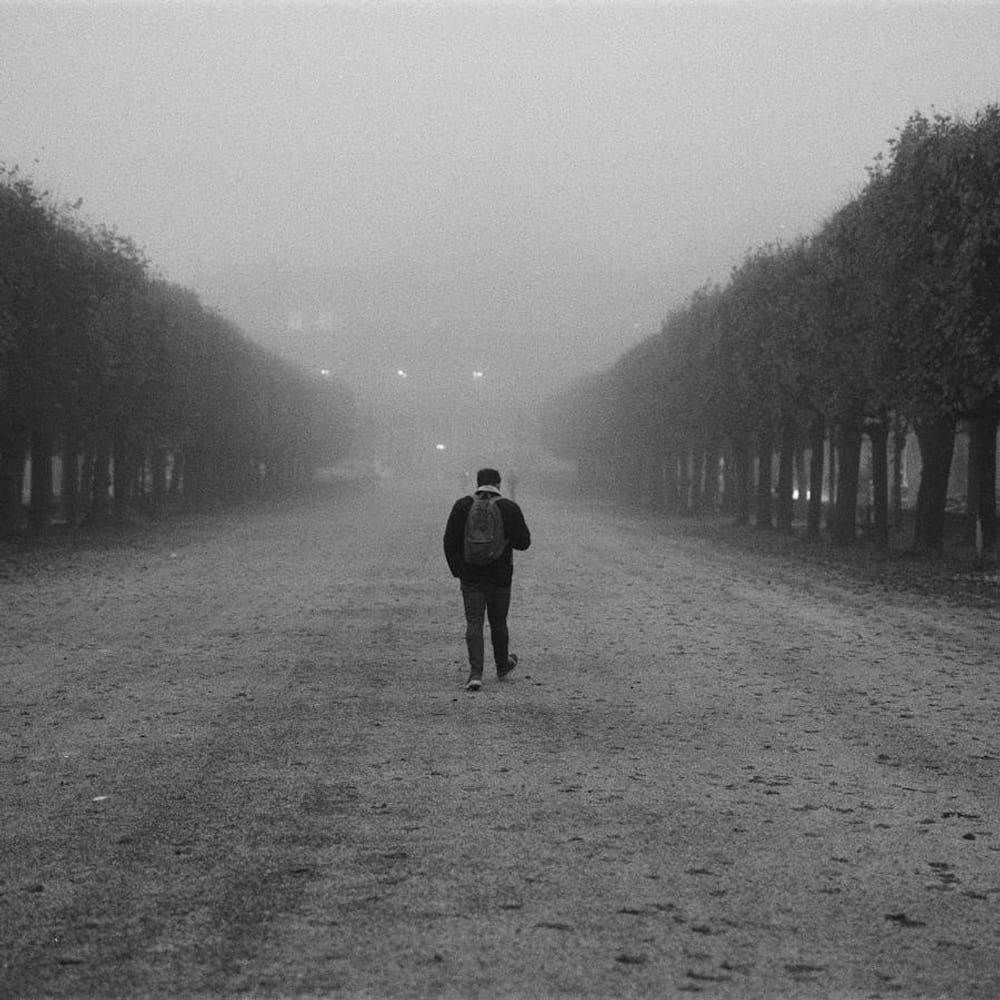
Solo backpacking is one bag, clear daily anchors, and the freedom to change towns when your feet say so.
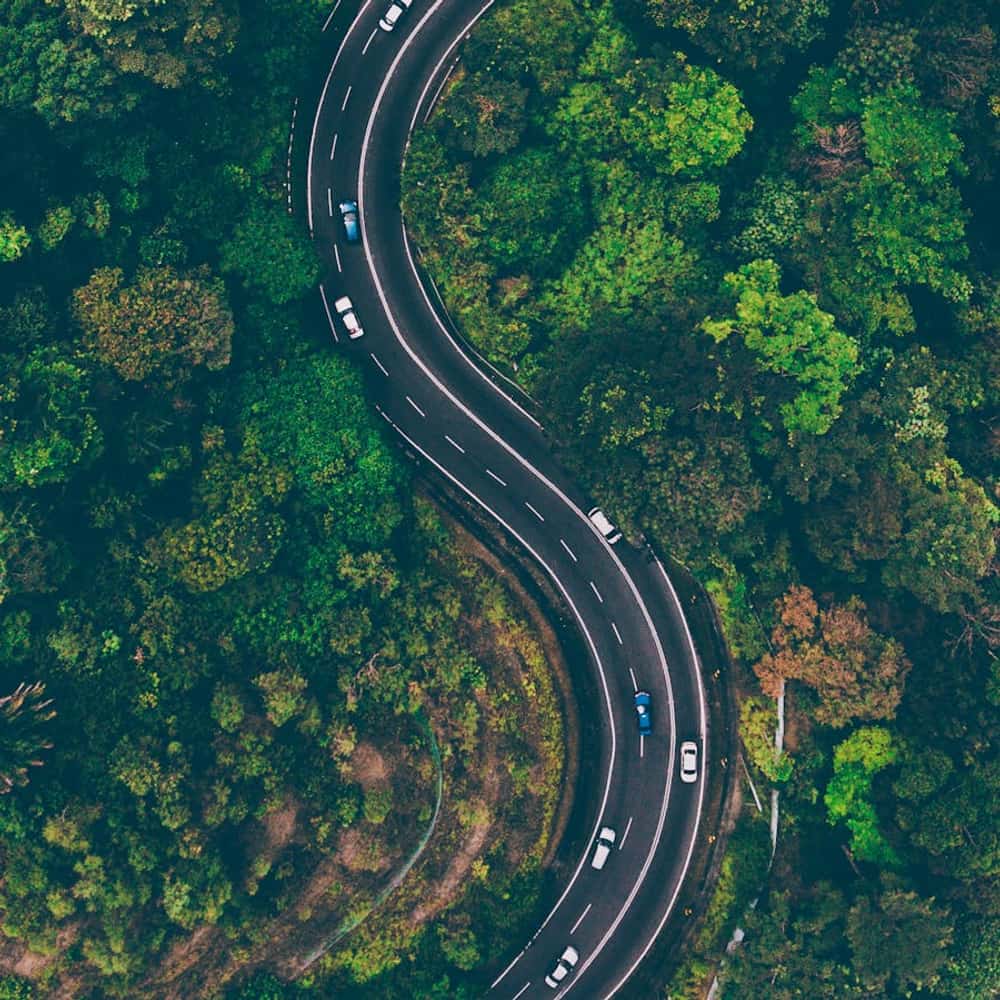
Solo adventures are booming because flexibility beat coordination—and because many travelers finally want itineraries that match their energy.
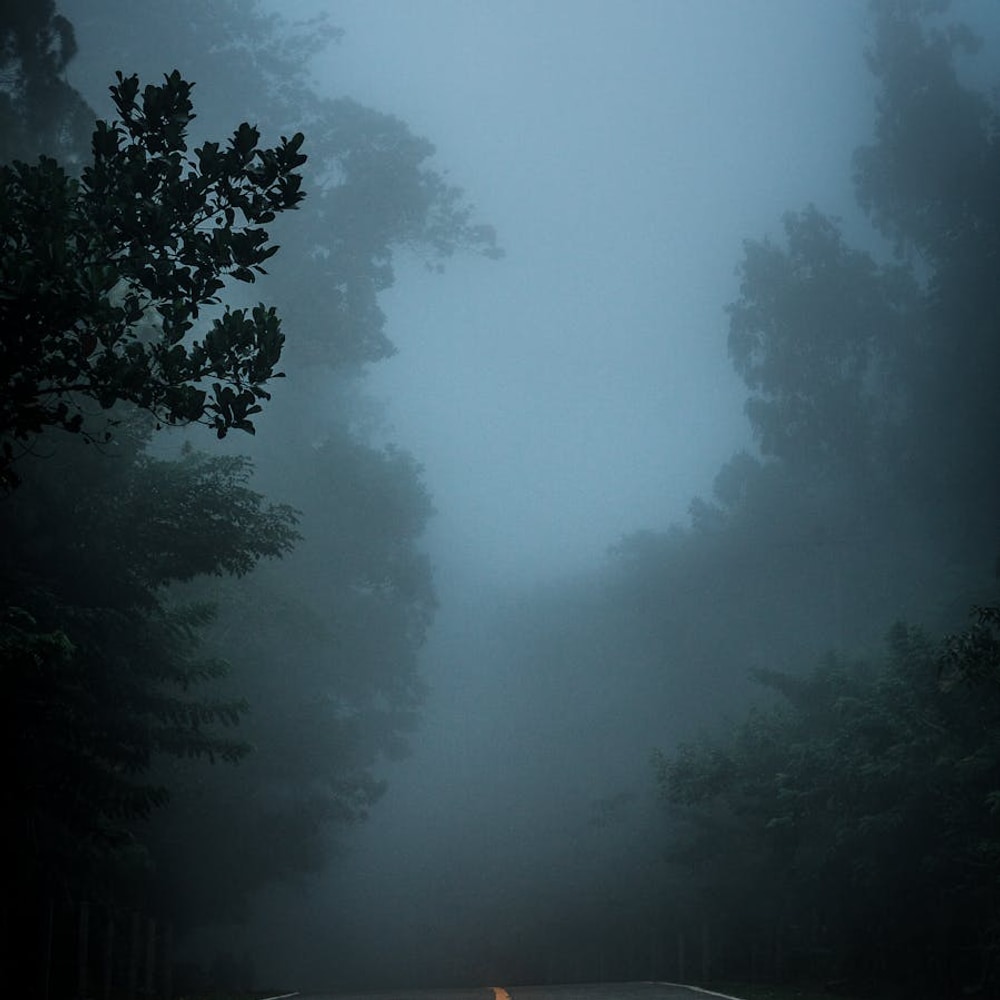
The best solo road trips pair open roads with reliable cell gaps, scenic pull-offs, and towns where one diner seat feels normal.