
Noise-canceling headphones are the one luxury I defend on budget trips. Sleeping on a red-eye, editing audio notes in a loud café, or surviving a toddler's iPad marathon three rows ahead—active noise cancellation changes physiology, not just volume. Bad ANC adds weight without relief; good ANC earns space even when you pack one bag.
Travelers need different priorities than desk workers: clamp pressure over hours, fold-flat cases, wired backup when Bluetooth dies, and transparency modes for boarding announcements.
Over-ear versus earbuds for travel
Over-ear models still lead pure noise reduction and comfort on long flights. Earbuds win on pocketability and side-sleeping in economy. Many frequent flyers own both: buds for airport sprints, over-ears for seat time. Ear tip fit on buds determines ANC quality as much as chip marketing.
Key specs that actually matter
ANC performance in low-frequency drone tones—not just marketing "up to 35 dB" without context. Battery life with ANC on: twenty hours minimum for international there-and-back without charging. Multipoint Bluetooth pairs phone and laptop simultaneously for work trips. USB-C charging aligns with your other cables.
Comfort tests you should run in store or with returns
Wear them ninety minutes minimum. Glasses wearers check temple pressure. Note heat buildup—pleather gets swampy on warm cabins. Adjustable headband range matters for large hats and big hair; tight clamp causes headaches by hour five.
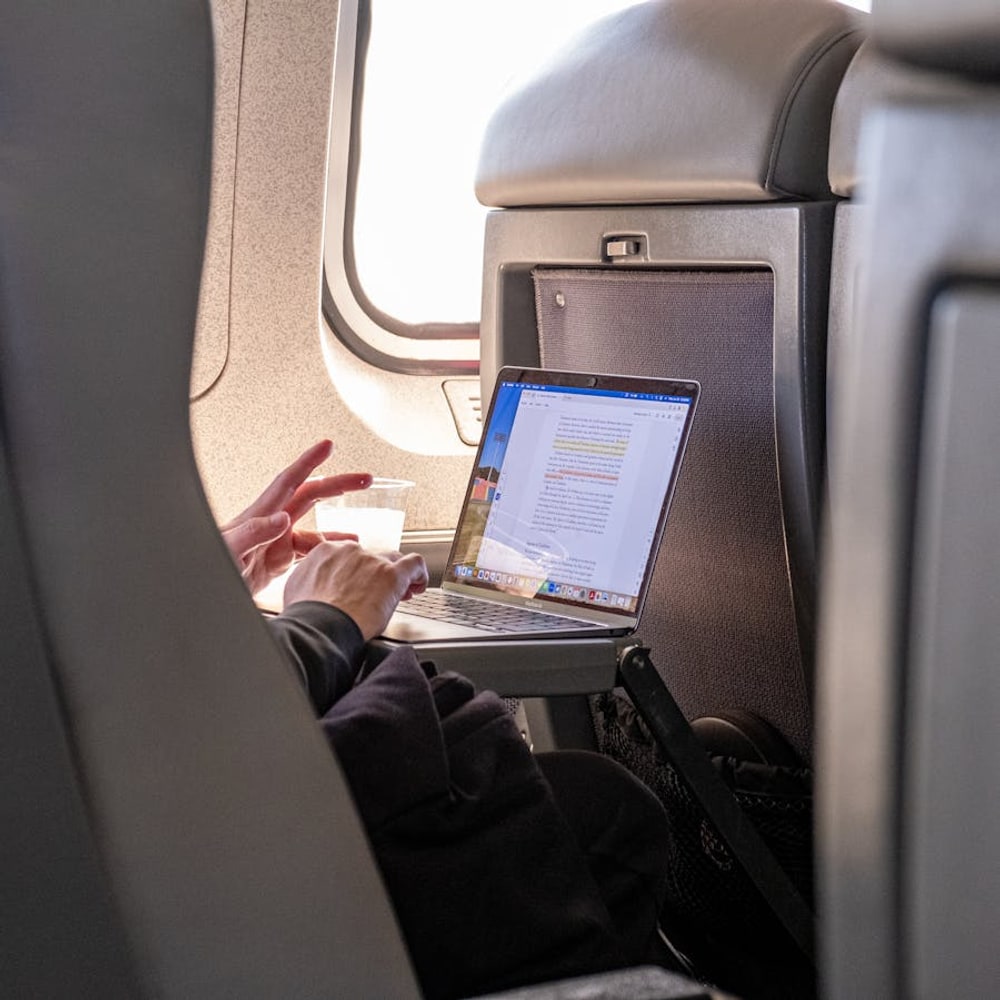
Models travelers consistently praise
Sony WH-1000 series, Bose QuietComfort and Ultra lines, Apple AirPods Max for ecosystem users, Sennheiser Momentum 4, and Anker Soundcore Space series for budget ANC. Earbud picks include Sony WF-1000, Bose QuietComfort Ultra Earbuds, and Apple AirPods Pro with frequent firmware improvements to ANC and transparency.
Airline entertainment compatibility
Dual-prong adapters still appear on some planes—pack a cheap Bluetooth transmitter or wired cable if you watch seatback screens often. Bluetooth latency matters for gaming less than for movies; most travel headphones handle video fine.
Microphone and call quality
ANC headphones double as call headsets in gate areas. Wind noise rejection varies; do not expect podcast studio isolation in open plazas. Fold-down mics on over-ears beat invisible bud mics in loud terminals sometimes—test before relying on for work calls abroad.
Durability and case design
Hard cases protect in overhead bins; slim pouches fit daypacks but risk crush. Hinges break on fold-flat designs—check warranty stories. Replace ear pads every year or two; oils degrade foam and seal, killing ANC effectiveness silently.
When ANC is not worth it
Short commutes, open-ear safety needs while cycling, or ultra-light packing where buds plus foam earplugs suffice. ANC adds cost and failure points; passive isolation with good plugs solves many flight sleeps cheaper.
Etiquette and safety
Transparency mode near traffic. Remove one cup when ordering coffee. Volume discipline protects hearing—ANC lets you listen lower; do not crank to block everything including announcements you need.
The best noise-canceling headphones for travelers fit your flight length, head shape, and device ecosystem. Buy for comfort first, ANC second, brand prestige never—your ears do not read logos at 2 a.m. over the Atlantic.
Sleep-specific tips
Combine ANC over-ears with a neck pillow that does not push cups off your ears. Foam earplugs under buds sometimes improve seal on side sleepers.
Kids and family travel
Volume-limited kids headphones protect hearing on long hauls; multipoint helps parents monitor devices while watching their own screen.
Firmware before flights
Update headphone firmware at home—airplane Wi-Fi and phone tethering make mid-air updates painful.
Seatmate awareness
ANC helps you; it does not excuse ignoring attendants or seatmates tapping your shoulder. Quick transparency toggle beats yanking headphones off and dropping them under the seat mid-meal.
Carry case discipline
Hard cases protect drivers in overhead bins; soft pouches fit daypacks but crush if sat on. Store headphones flat, wipe ear pads after sweaty flights, and keep a 3.5 mm cable in the case for seatback screens that still use dual-prong adapters on older aircraft.
Putting best noise-canceling headphones for travelers into practice
Choose one upgrade for your next trip instead of rebuilding your entire kit overnight. Test it on a weekend away before a long international leg—stress reveals zippers and straps marketing hides. Note what you used daily versus what stayed buried; that list becomes your personal gear constitution.
Photograph your packed bag and weight reading before departure. After the trip, mark items you never touched in red on that photo printout or note. Subtraction next time is easier when evidence stares back instead of memory romanticizing unused gadgets.
Share gear lessons with travel partners before packing duplicate adapters and first-aid kits you could pool. Weight savings and cost savings compound when groups coordinate instead of each person carrying fear in duplicate.
When something breaks on the road, replace with intent—not panic airport markup unless urgency demands it. Good gear is a long conversation between your routes, your body, and the bags you are willing to carry up one more flight of stairs.
Gear habits that outlast trends
Review your kit seasonally: retire worn straps, update expired meds, and recalibrate for new airline limits. Gear that survives is maintained, not merely purchased.
When forums hype new releases, ask whether your current item failed a real task. Upgrade on evidence, not announcement day—your wallet and shoulders both benefit.
Leave online reviews that mention trip type, weather, and duration—future travelers need context more than star counts. Specific reviews reduce landfill from wrong purchases.
Airport and transit realities
Security lines punish over-organized pouches if you cannot reopen them quickly—practice one-handed access for laptops and liquids. Boarding groups matter less than bin space; be ready to gate-check without unpacking chaos.
Transit days test gear more than resort days. Walk a mile with full load before trusting reviews from people who only roll bags through airports.
Repair kits and field fixes
Pack ten grams of usefulness: needle and thread, duct tape wrapped on a card, zip ties, and a spare zipper pull. Broken strap or split seam at a bus stop is a thirty-minute fix or a ruined week—choose preparation over optimism.