
I bought my first "perfect" travel backpack from a forum recommendation without trying it on. The hip belt sat above my iliac crest like a decorative belt; my shoulders paid for that mistake through Portugal. Backpack choice is personal geometry plus trip mechanics—not a universal winner list.
This guide walks through fit, capacity, access patterns, and the questions that narrow dozens of options to two you should physically test.
Torso length and fit adjustments
Measure torso from C7 vertebra to iliac crest. Brands size S/M/L frames accordingly. Adjustable suspension helps if you fall between sizes or share bags. Hip belts should wrap around hip bones, not waist soft tissue—most weight lives here, not on shoulders.
Women-specific fits are not marketing only; strap angles and back panel lengths differ. Try both if available. Sternum straps prevent shoulder pinch; load lifters tilt weight toward your back when adjusted under tension.
Capacity: liters translated to trips
Daypacks 20–30L for urban overnights. Travel packs 40–50L for one-bag week-plus trips. 60L+ enters trekking territory—often too large for carry-on international unless you compress ruthlessly. Volume lies when pockets bulge externally; sizers measure external dimensions.
Personal item pairing
If your main bag is maxed, a structured personal item with laptop and essentials must still fit under seats. Total system weight matters at security—scales do not care about brand stories.
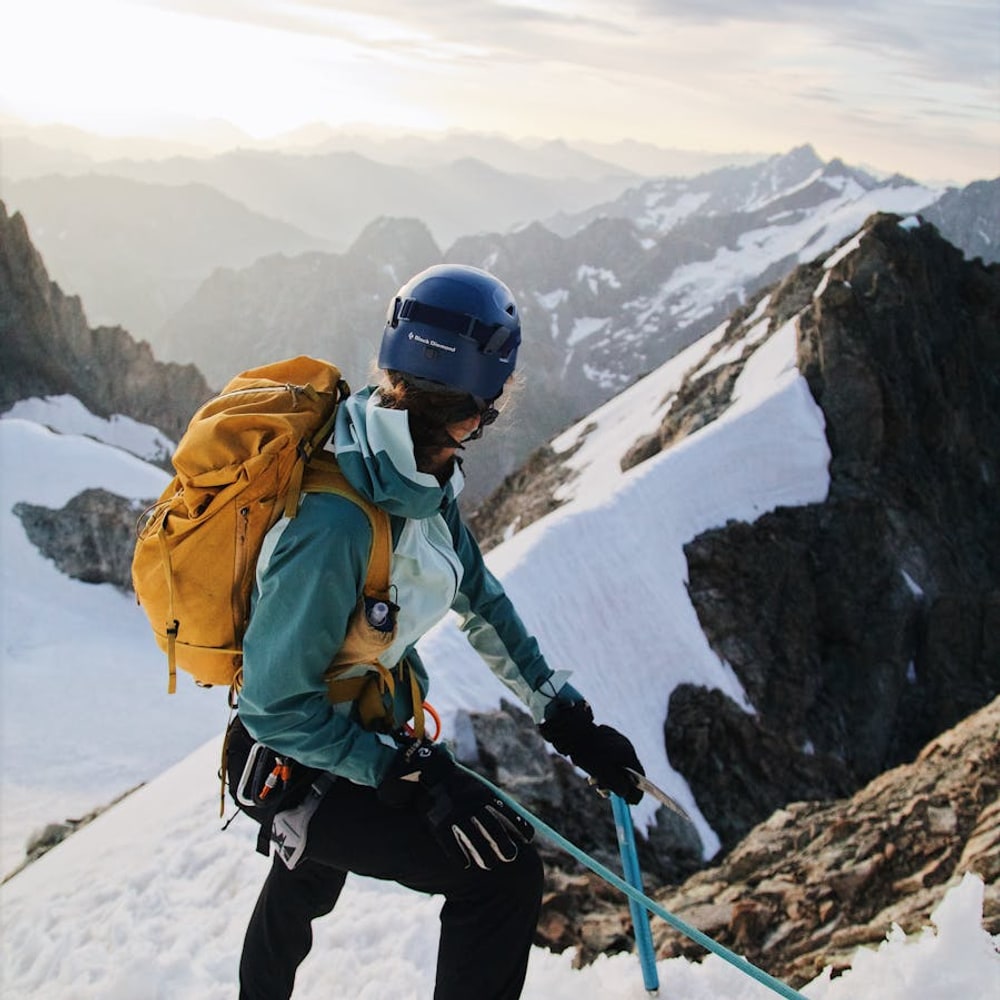
Access style shapes packing habits
Clamshell zip openings mirror suitcases—great for organizers and TSA laptop pulls. Top loaders compress well but bury items. Panel loaders suit hiking; travel hybrids add laptop sleeves and front pockets. Pick the opening you will actually repack neatly at 6 a.m.
Features worth paying for
Lockable zippers, hydration bladder compatibility if hiking, external lash points for tripods or sleeping pads, rain cover included or compatible, and laptop sleeve suspended off bottom impact. Avoid over-featured molle if you never attach gear—weight accumulates.
Try before you fly
Load with sandbags or groceries to ten kilos. Walk thirty minutes. Climb stairs. Bend to tie shoes. Check if top-heavy bags sway. Many outdoor retailers adjust straps free—use expertise instead of guessing.
New versus used and warranty
Outlet and used gear saves money; inspect stitching, buckles, and previous overstuffing damage. Lifetime warranties from Osprey and others help long-term travelers—register purchases and keep receipts digital.
Common buying mistakes
Buying max size "for flexibility" then filling it. Ignoring carry-on limits until gate check fees. Choosing color over fit. Assuming women's partners can share unisex frames without adjustment pain. Skipping rain testing on fabric—spray bottle at home reveals surprises.
Matching bag to trip type
City breaks: sleek, laptop-friendly, minimal external straps that snag taxis. Trail-heavy: ventilated back panels, hip belt padding, hydration routing. Business: professional silhouette, quick laptop access, pass-through roller handle sleeves if hybrid travel.
The perfect travel backpack disappears on a well-fitted torso and opens without archaeology. Measure yourself, load test honestly, and buy return policies that forgive optimism—your spine does not grant refunds.
Airline personal item compatibility
Some airlines count laptop daypacks strictly—verify combined dimensions when flying budget carriers in Europe and Asia.
Long-term ergonomics
Replace hip belt foam when compressed flat. Shoulder strap foam degrades with sweat—refresh parts instead of buying an entirely new frame if shell remains sound.
Try with your actual cubes
Bring packing cubes to retailer fit sessions—internal volume lies without your real load shape.
Shoulder and back health
If you feel numb fingers after twenty minutes, the pack fits wrong—adjust sternum height, tighten load lifters, or shorten torso setting before blaming fitness. Chronic pain means wrong frame, not weakness.
Weight on the scale, not in your head
Weigh the empty pack, then weigh it loaded. Compare against airline limits and your own comfort ceiling. A perfect fit that exceeds ten kilograms loaded is still a mistake on cobblestones and overhead-bin roulette.
Putting how to choose the perfect travel backpack into practice
Choose one upgrade for your next trip instead of rebuilding your entire kit overnight. Test it on a weekend away before a long international leg—stress reveals zippers and straps marketing hides. Note what you used daily versus what stayed buried; that list becomes your personal gear constitution.
Photograph your packed bag and weight reading before departure. After the trip, mark items you never touched in red on that photo printout or note. Subtraction next time is easier when evidence stares back instead of memory romanticizing unused gadgets.
Share gear lessons with travel partners before packing duplicate adapters and first-aid kits you could pool. Weight savings and cost savings compound when groups coordinate instead of each person carrying fear in duplicate.
When something breaks on the road, replace with intent—not panic airport markup unless urgency demands it. Good gear is a long conversation between your routes, your body, and the bags you are willing to carry up one more flight of stairs.
Gear habits that outlast trends
Review your kit seasonally: retire worn straps, update expired meds, and recalibrate for new airline limits. Gear that survives is maintained, not merely purchased.
When forums hype new releases, ask whether your current item failed a real task. Upgrade on evidence, not announcement day—your wallet and shoulders both benefit.
Leave online reviews that mention trip type, weather, and duration—future travelers need context more than star counts. Specific reviews reduce landfill from wrong purchases.
Airport and transit realities
Security lines punish over-organized pouches if you cannot reopen them quickly—practice one-handed access for laptops and liquids. Boarding groups matter less than bin space; be ready to gate-check without unpacking chaos.
Transit days test gear more than resort days. Walk a mile with full load before trusting reviews from people who only roll bags through airports.
Repair kits and field fixes
Pack ten grams of usefulness: needle and thread, duct tape wrapped on a card, zip ties, and a spare zipper pull. Broken strap or split seam at a bus stop is a thirty-minute fix or a ruined week—choose preparation over optimism.