
Minimalist packing looks aesthetic online—neutral cubes, one perfect bag, smug captions. On the road it is mostly subtraction discipline: refusing the sixth "maybe" shirt, trusting laundry, and accepting that you will wear favorites twice in a row without tragedy. I have minimalist-packed for tropical humidity and alpine cold; the method adapts if you stop treating minimalism as a single uniform list.
Any destination rule: pack for verified plans, not catastrophic imagination. Minimalism fails when it confuses spartan with unprepared.
The one-bag decision tree
Can you carry your bag up three flights of stairs without cursing? Does it fit carry-on limits for your worst airline? If yes, proceed. If no, remove items before buying a bigger bag—capacity expansion hides judgment errors.
Personal item counts: meds, documents, one change of clothes, and chargers stay with you even if main bag gate-checks. Minimalism does not eliminate redundancy where airlines lose bags.
Subtraction techniques that work
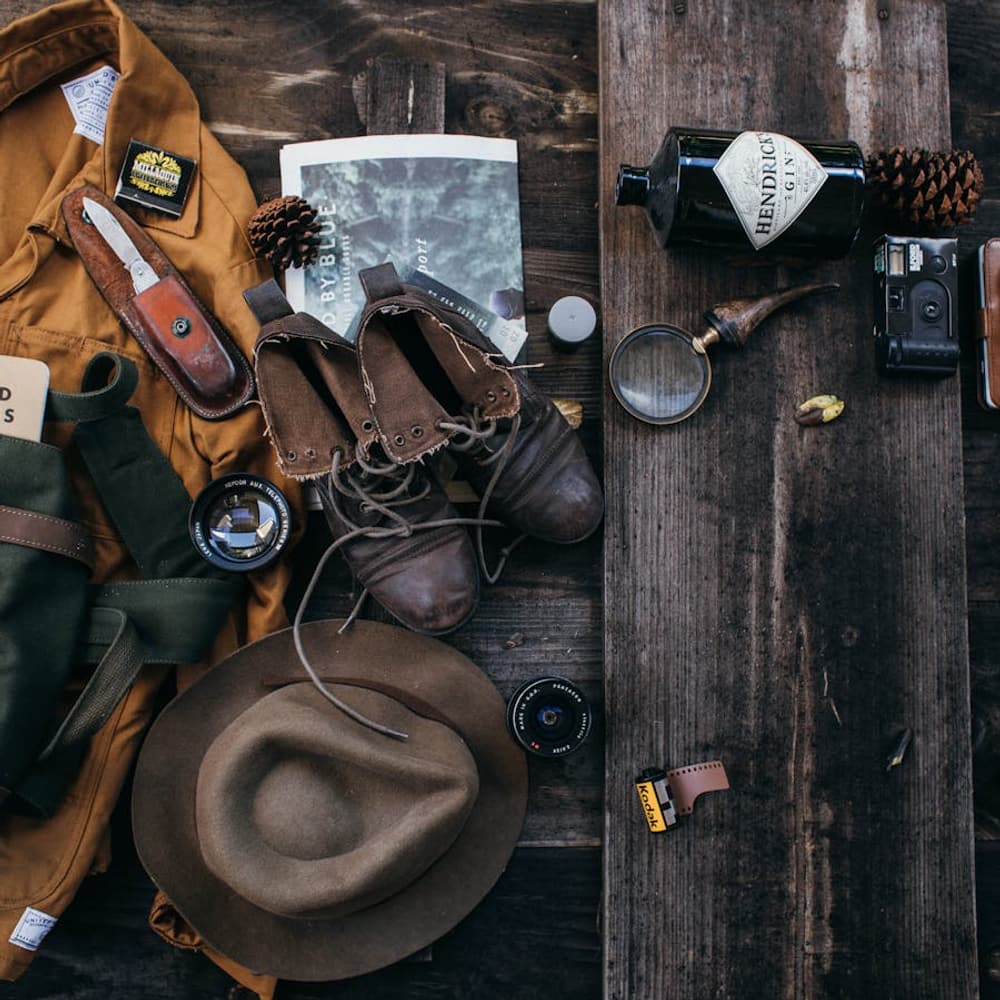
Flat lay everything; remove twenty percent before closing. Duplicate function items merge—soap bar can shampoo in pinch; phone replaces alarm, books, maps. Wear bulkiest clothes on travel day. Digitalize boarding passes, guides, and entertainment.
The three-day rule
Pack three days of clothes regardless of trip length if laundry exists weekly. Underwear and socks scale similarly with wash stops. This math shocks people packing for a month until they count hotel sinks honestly.
Destination-specific adjustments without abandoning minimalism
Cold climates: layer system, not massive coat unless worn on plane. Beaches: one swim item doubles as lounge wear. Business: one wrinkle-resistant outfit; steamer apps lie, fabrics do not. Religious sites: scarf or wrap instead of entire modest wardrobe swap.
Toiletries minimalist style
Solid bars, refillable silicone bottles, multitask products—dr Bronner's famous versatility has limits but reduces bottles. Buy sunscreen and heavy liquids locally when regulations allow. Razor and toothbrush only; hotel freebies often suffice for short stays if you are not picky.
Footwear minimalism is hardest
One shoe must walk all day; second covers dinner or trail if needed. Shoes dominate weight—default sneakers, add sandals or boots only with itinerary proof. Flip-flops cost little abroad if unexpected hostel showers appear.
Mindset shifts
You can purchase forgotten items—minimalism is not martyrdom. Doing laundry is part of travel rhythm, not failure. Photos matter more than outfit variety to most people reviewing memories. Anxiety packs bags heavier than calendars do.
When minimalism goes too far
Skipping rain gear in monsoon season. No spare battery on navigation-heavy trips. One pair of socks—please no. Minimal means minimum viable comfort, not competitive suffering for internet points.
Return home audit
Leave unused items listed on phone note. Next trip starts lighter automatically. Minimalism compounds when you treat each return as data, not guilt.
Minimalist packing for any destination is flexible restraint: enough to handle weather and dignity, little enough to walk farther and change plans without repacking theater. Delete until the bag feels boring—boring packs fast.
Digital minimalism pairs with physical
Delete offline maps after regions, offload photos nightly, and avoid downloading whole season shows—storage anxiety mirrors closet anxiety.
Group travel compromises
Minimalists sharing trips with overpackers should set car trunk rules early—your one bag should not lose bin space to four shoe options nobody wears.
One souvenir rule
Buy one meaningful item per trip or consume experiences—physical souvenirs need outbound space you minimalist-packed away intentionally.
Capsule color discipline
Limit palette to three compatible colors so every top matches every bottom. Patterned items count as neutrals only if they truly mix with your core set—otherwise they become single-outfit dead weight.
Transit day carry rule
On travel days, everything you need for twenty-four hours lives in your personal item—not scattered across the main bag in bin twenty-six. Minimalism fails when essentials are inaccessible during chaos.
Document the subtracted items
Keep a running list of things you packed but never used. Delete them from your master list before the next trip instead of re-adding them from habit. Minimalism compounds when returns become data.
Putting minimalist packing tips for any destination into practice
Choose one upgrade for your next trip instead of rebuilding your entire kit overnight. Test it on a weekend away before a long international leg—stress reveals zippers and straps marketing hides. Note what you used daily versus what stayed buried; that list becomes your personal gear constitution.
Photograph your packed bag and weight reading before departure. After the trip, mark items you never touched in red on that photo printout or note. Subtraction next time is easier when evidence stares back instead of memory romanticizing unused gadgets.
Share gear lessons with travel partners before packing duplicate adapters and first-aid kits you could pool. Weight savings and cost savings compound when groups coordinate instead of each person carrying fear in duplicate.
When something breaks on the road, replace with intent—not panic airport markup unless urgency demands it. Good gear is a long conversation between your routes, your body, and the bags you are willing to carry up one more flight of stairs.
Gear habits that outlast trends
Review your kit seasonally: retire worn straps, update expired meds, and recalibrate for new airline limits. Gear that survives is maintained, not merely purchased.
When forums hype new releases, ask whether your current item failed a real task. Upgrade on evidence, not announcement day—your wallet and shoulders both benefit.
Leave online reviews that mention trip type, weather, and duration—future travelers need context more than star counts. Specific reviews reduce landfill from wrong purchases.
Airport and transit realities
Security lines punish over-organized pouches if you cannot reopen them quickly—practice one-handed access for laptops and liquids. Boarding groups matter less than bin space; be ready to gate-check without unpacking chaos.
Transit days test gear more than resort days. Walk a mile with full load before trusting reviews from people who only roll bags through airports.
Repair kits and field fixes
Pack ten grams of usefulness: needle and thread, duct tape wrapped on a card, zip ties, and a spare zipper pull. Broken strap or split seam at a bus stop is a thirty-minute fix or a ruined week—choose preparation over optimism.