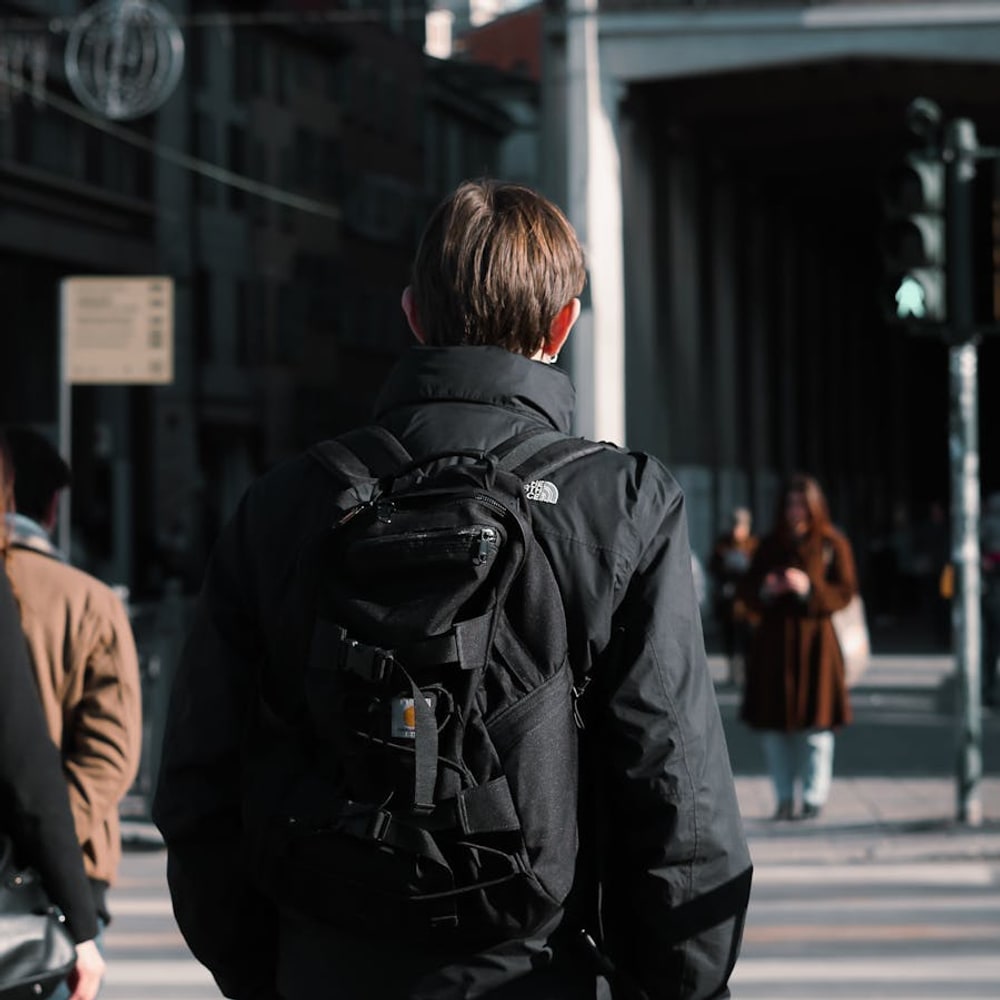
Travel clothing marketing loves models on cliffs in $400 jackets. Real trips need shirts that survive bus armrests, pants that dry after a sudden downpour, and layers that do not scream "tourist catalog" at dinner. Space-saving comfort is a fabric and cut problem more than a brand problem.
The goal is a wardrobe that packs flat, handles odor between washes, and moves with you on fifteen-thousand-step days without chafing rebellion.
Fabric fundamentals
Merino wool regulates temperature, resists odor for multiple wears, and packs small—ideal for base layers and light sweaters. Technical synthetics dry fastest and cost less; blends split the difference. Cotton feels nice in dry climates but holds sweat and dries slowly—limit to short urban stops or accept laundry frequency.
Stretch matters: two percent elastane in pants saves knee binding on long walks. UPF ratings help sun-heavy itineraries; they do not replace sunscreen on ears and neck.
Pants and shorts that earn bag space
Travel pants with gusseted crotches and zip pockets replace jeans on most trips. Neutral colors—charcoal, navy, olive—hide dust and match multiple tops. Convertible zip-offs look touristy but function on mixed hike-and-city days if you accept the aesthetic trade.
Skirts and dresses for packers
One wrinkle-resistant dress covers dinners and hot days with a single item. Midi lengths respect many temple dress codes with a light scarf backup. Leggings as travel pants divide opinion; if you wear them, choose opaque, quick-dry fabrics—not cotton gym pairs.
Tops: rotation without redundancy
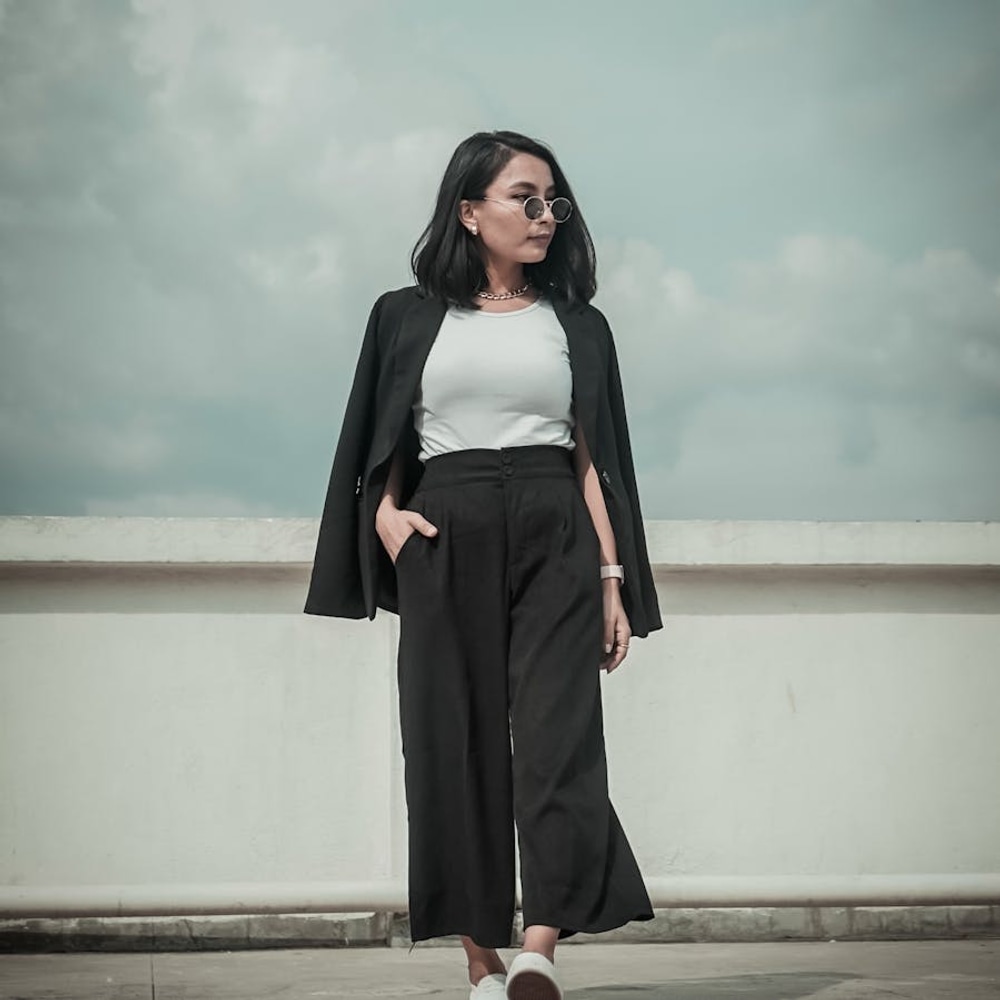
Three tees or blouses, one nicer top, one long-sleeve sun layer. Dark colors hide stains; patterns disguise wrinkles. Avoid bulky logos and "safari vests" with twelve unused pockets—pick one light jacket with sufficient pockets instead.
Outer layers and rain
Packable down or synthetic puffy jackets compress to fist size. Hard shell rain jackets for serious wet trips; soft shell or treated travel blazers for drizzle and wind in cities. Umbrellas fail in coastal gusts—hoods win.
Footwear synergy
Clothing choices follow shoes: if you only bring sneakers, pants should handle casual contexts. One sandal that walks miles beats dress shoes that blister. Socks in merino reduce blisters and smell; pack three pairs minimum with wash plan.
Laundry strategy drives quantity
Sink-wash friendly fabrics mean smaller capsules. Travel detergent sheets weigh nothing. Pack a flat sink stopper or universal plug. Line dry overnight in bathrooms with fan running—synthetics cooperate; thick cotton does not.
Brands worth browsing, not worshipping
Patagonia, Arc'teryx, Uniqlo Airism and Merino lines, Prana, Icebreaker, Bluffworks, and various outdoor house brands sell travel-capable pieces. Thrift and mall basics work if fabrics match needs—read tags, not hype.
What to avoid
Heavy denim unless you wear it on the plane. White outfits in dust-heavy regions. Noisy nylon that swishes in quiet churches. "Just in case" formalwear without event confirmation. Clothing is packed optimism—question each piece's calendar appointment.
Travel clothing that saves space and feels comfortable disappears on your body and reappears when weather shifts. Build a small palette, test outfits at home on long walking days, and let laundry access—not fear—set your count.
Layering for variable climates
Desert days and cold nights need interchangeable layers, not separate wardrobes. Vest plus long sleeve beats heavy sweater bulk in canyon trips.
Cultural modesty without overpacking
One lightweight scarf or wrap covers shoulders and knees in temples—cheaper than buying cover-ups at every gate.
Hotel laundry math
Compare hotel laundry prices versus local laundromats—sometimes paying for wash service frees time worth more than minimalist virtue.
Wrinkle strategy beyond packing
Hang synthetic blends in steamy bathrooms for ten minutes instead of packing travel irons. Roll structured items; fold stretch knits. A flat dry cleaner bag reduces friction wrinkles in cubes.
Test outfits before departure
Walk ten thousand steps at home in your travel shoes and pants. Sit for two hours in your long-flight outfit. Chafing and pressure points show up in your neighborhood, not on day three abroad when returns are impossible.
Putting travel clothing that saves space and feels comfortable into practice
Choose one upgrade for your next trip instead of rebuilding your entire kit overnight. Test it on a weekend away before a long international leg—stress reveals zippers and straps marketing hides. Note what you used daily versus what stayed buried; that list becomes your personal gear constitution.
Photograph your packed bag and weight reading before departure. After the trip, mark items you never touched in red on that photo printout or note. Subtraction next time is easier when evidence stares back instead of memory romanticizing unused gadgets.
Share gear lessons with travel partners before packing duplicate adapters and first-aid kits you could pool. Weight savings and cost savings compound when groups coordinate instead of each person carrying fear in duplicate.
When something breaks on the road, replace with intent—not panic airport markup unless urgency demands it. Good gear is a long conversation between your routes, your body, and the bags you are willing to carry up one more flight of stairs.
Gear habits that outlast trends
Review your kit seasonally: retire worn straps, update expired meds, and recalibrate for new airline limits. Gear that survives is maintained, not merely purchased.
When forums hype new releases, ask whether your current item failed a real task. Upgrade on evidence, not announcement day—your wallet and shoulders both benefit.
Leave online reviews that mention trip type, weather, and duration—future travelers need context more than star counts. Specific reviews reduce landfill from wrong purchases.
Airport and transit realities
Security lines punish over-organized pouches if you cannot reopen them quickly—practice one-handed access for laptops and liquids. Boarding groups matter less than bin space; be ready to gate-check without unpacking chaos.
Transit days test gear more than resort days. Walk a mile with full load before trusting reviews from people who only roll bags through airports.
Repair kits and field fixes
Pack ten grams of usefulness: needle and thread, duct tape wrapped on a card, zip ties, and a spare zipper pull. Broken strap or split seam at a bus stop is a thirty-minute fix or a ruined week—choose preparation over optimism.