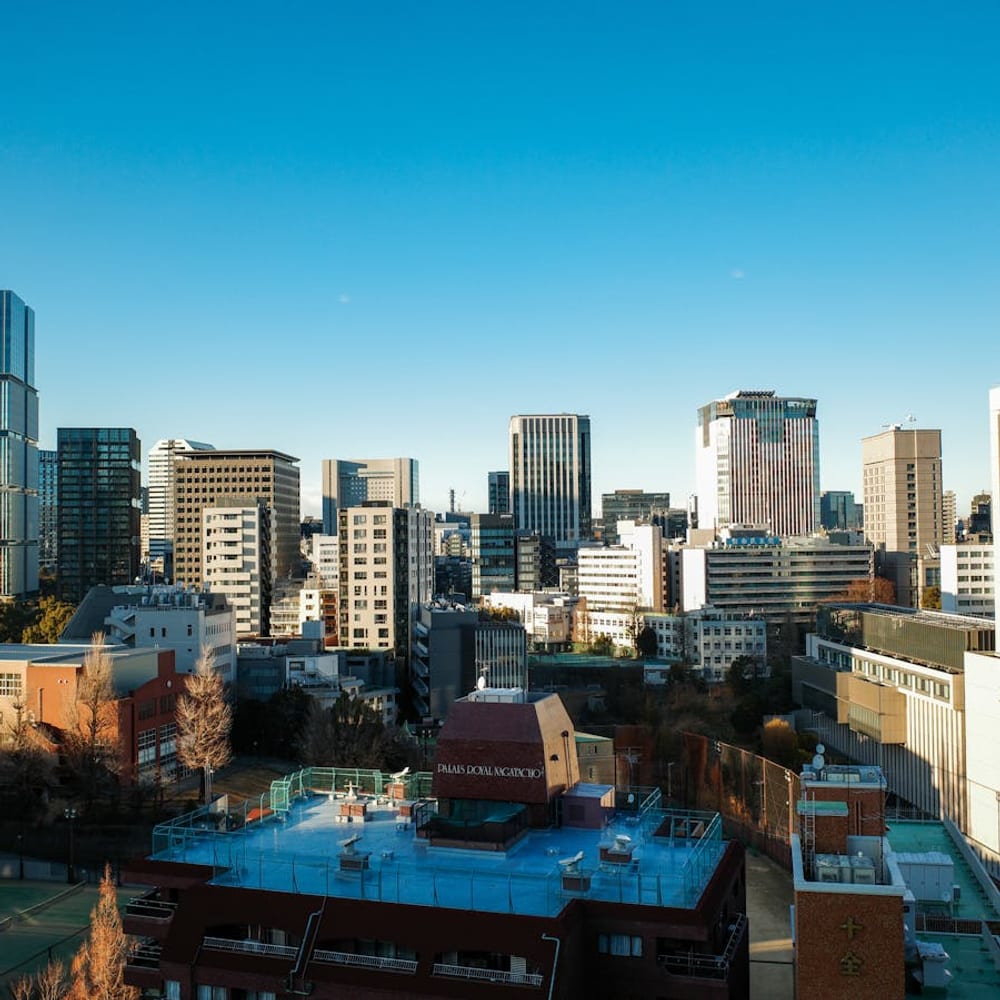
Tokyo does not overwhelm because it is loud—it overwhelms because everything works at once. Trains arrive to the second, dinner can be noodles at a counter or a ten-course tasting menu down an alley, and your phone will have three valid routes to the same shrine. First-timers win when they stop trying to "do Tokyo" and start threading neighborhoods by day.
Seven days is enough for a first pass: not every ward, but a rhythm of east-west contrasts, one day trip, and enough downtime that jet lag does not steal the trip. This plan assumes you land at Haneda or Narita, sleep near a JR or subway line, and walk until your feet demand respect.
Before you land: cards, cash, and connectivity
Get a Suica or Pasmo IC card at the airport for trains, buses, and convenience stores. Cash still matters—small shrines, older shops, some ramen counters. Withdraw yen at airport ATMs; coins accumulate fast, so carry a slim coin purse.
Pocket WiFi or an eSIM keeps maps alive. Download Google Maps offline for Tokyo anyway. Japan Travel by NAVITIME helps with JR passes and platform exits—exits matter more than you think.
Day 1–2: East side—Asakusa, Ueno, and Skytree

Morning in Asakusa: Senso-ji before tour buses peak, then wander backstreets for snacks—not only the main Nakamise strip. Ueno Park museums or Ameya-Yokocho market depending on weather. Late afternoon toward Tokyo Skytree for skyline context; book timed tickets if you go up.
Dinner: try a ramen counter or izakaya in Asakusa side streets. Speak softly; slurping noodles is fine, loud phone calls are not.
Jet lag and first-night discipline
Stay awake until 9 p.m. local on arrival day. Use konbini meals if restaurants feel intense. Convenience store egg sandwiches are a legitimate travel food group.
Day 3–4: Central pulse—Shibuya, Harajuku, Shinjuku
Shibuya Crossing is a five-minute experience, not a destination—pair it with Shibuya Sky or Hachiko, then escape to Daikanyama or Nakameguro for calmer streets. Harajuku means Meiji Shrine forest walk first, Takeshita Street second—forest resets the sensory load.
Shinjuku evenings: Omoide Yokocho or Golden Gai for tiny bars—read cover charges and photography rules before entering. Tokyo Metropolitan Government Building offers free night views without Skytree prices.
Day 5: West culture—Shimokitazawa or Kichijoji
Pick one west-side neighborhood for vintage shops, kissaten coffee, and slower pacing. Shimokitazawa is walkable and creative; Kichijoji adds Ghibli-adjacent park energy at Inokashira. Do not shop until you cannot carry—Japan rewards shipping home via luggage services at stations.
Day 6: Day trip—Kamakura, Nikko, or Yokohama
Kamakura fits first-timers: coastal temple, Great Buddha, easy trains from Tokyo. Nikko is grander but longer on the rails. Yokohama is Chinatown, waterfront, and ramen museums if rain threatens. Start early; Japanese day-trippers crowd midday trains.
Day 7: Loose ends and deparchika mastery
Revisit the neighborhood you liked most. Buy gifts in department store food basements—depachika—where samples and packaging turn snacks into souvenirs. Allow three hours before airport trains; Haneda is closer, Narita needs buffer.
Etiquette that keeps Tokyo smooth
- Stand left on escalators in Tokyo (right in Osaka—if you hop cities, look around).
- No eating while walking in crowded districts—finish at the stall or step aside.
- Trash cans are rare; carry a small bag for rubbish until you find bins at stations.
- Trains stay quiet; headphones on phone calls.
- Tipping is not expected; pay at the register or use the tray politely.
Tokyo for first-timers is a lesson in public trust—bags unattended, doors that open the right way, strangers who point you to the correct platform. Your seven-day guide is a spine; swap days if a typhoon swaps your museum plan. Leave one meal unplanned per day—the best bowl might be the one you stumble into after getting lost on purpose.
Budget notes without killing joy
Lunch sets—teishoku—are economical. Dinner splurges can be conveyor sushi or yakitori alleys, not only omakase. JR Pass rarely pays for Tokyo-only stays; calculate before buying nationwide passes.
Accessibility and stamina
Stations have elevators but transfers are long. Comfortable shoes beat fashion sneakers. Coin lockers exist—travel light between neighborhoods using station storage.
First-time Tokyo is not about checking wards off a list. It is about trusting the metro map once, then realizing you can return—because the city will still be running precisely when you come back.
Tsukiji Outer Market and teamLab timing
Tsukiji Outer Market mornings are for sushi breakfast and kitchen supply browsing—not the inner wholesale market tourists sometimes confuse. teamLab Planets and Borderless require booked slots; buy before you fly if your dates are fixed.
Onsen etiquette if you day-trip to Hakone
Tattoos still matter at some baths—check policies. Wash thoroughly before entering pools. Small towels stay out of the water. Quiet voices. Hakone loop fits a long day: romancecar optional, local train cheaper.
Seven days in Tokyo is an introduction, not a graduation. Leave one neighborhood for next time—that excuse is how return trips get funded.
Ginza, Akihabara, and optional nerd or luxury detours
Ginza is polished shopping and depachika basements—go near closing for discount sushi packs. Akihabara is electronics and anime culture; go weekday afternoons if crowds overwhelm. Both are optional; skipping them hurts nobody on a first trip.
DisneySea and Disneyland logistics
Tokyo DisneySea is unique globally—buy tickets official site, arrive before open, use app for standby passes. Full day there replaces a city day; do not stack it after a long flight.
Record the JR stations you actually use—Shinjuku, Tokyo, Ueno, Shibuya—and build muscle memory early. Tokyo rewards repeat routes more than novelty for novelty's sake.
One more pass before you go
Re-read visa and entry rules the week before departure, confirm transit times between stops, and leave one afternoon unplanned so weather, strikes, or a conversation can rewrite the day without stress.
Travel guides age; local prices, park hours, and seasonal closures change yearly. Treat this article as a framework, then verify borders, reservations, and insurance coverage on official sites before you lock non-refundable bookings.
Pack patience as seriously as adapters—first trips reward travelers who notice small cues more than those who collect every landmark photo before lunch.
Save one local contact—a hotel desk, a guide, a shop owner who helped you—for the question you will have on trip two. Good travel guides age into personal notes in your phone.