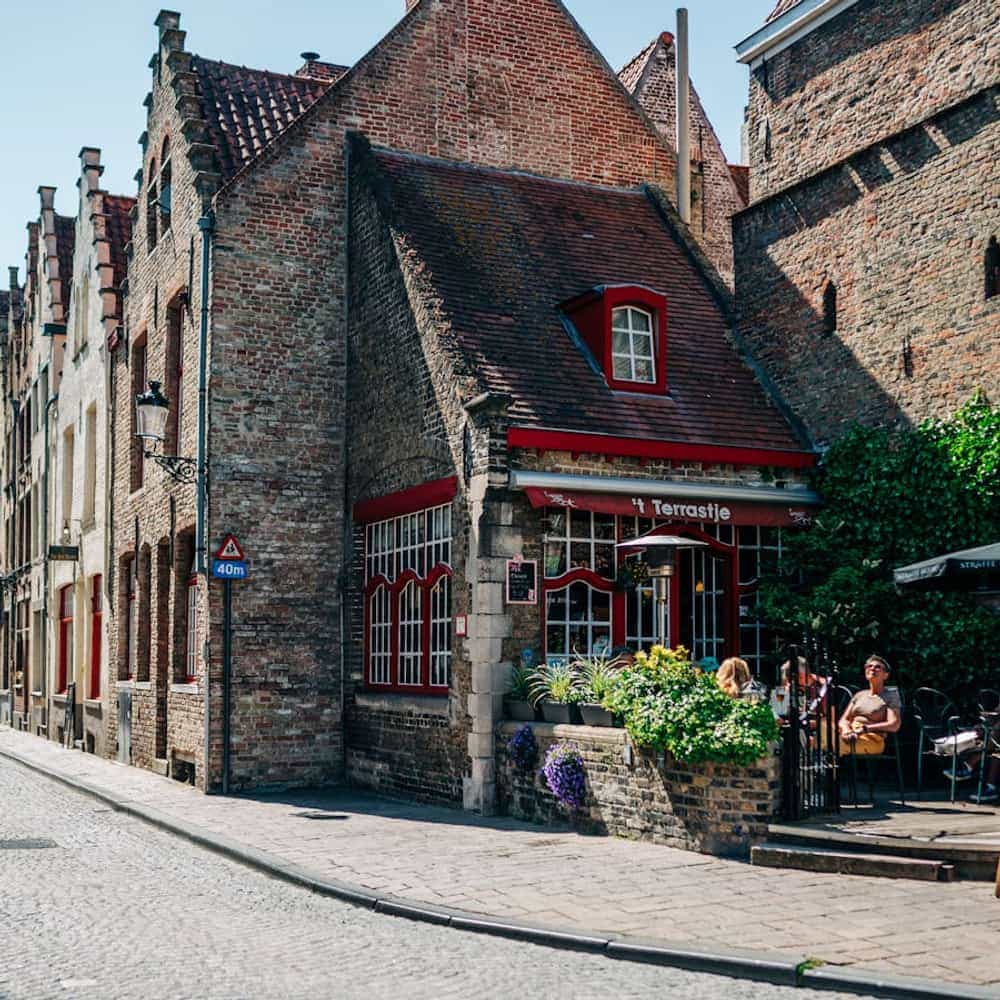
Venice sells out by ten in the morning. Prague's old town compresses shoulder-to-shoulder crowds into alleys that photographs never show. Meanwhile, an hour on a regional train drops you into squares where the bakery queue is mostly locals and the hotel owner remembers your name by day two.
Underrated European towns reward travelers who trade headline cities for places that still run on market schedules, river ferries, and festivals tied to harvest—not influencer pop-ups. The fifteen below are not secret to everyone, but they remain shockingly quiet compared with the capitals on the same rail maps.
Why small towns beat another museum day
Capitals concentrate museums, nightlife, and transport—but they also concentrate prices and decision fatigue. A town of twenty thousand can be walked end-to-end before lunch, which means you actually rest. You eat where office workers eat. You hear church bells without a podcast in your ears.
The trick is choosing places with enough infrastructure for a comfortable stay without enough fame to trigger tour-bus loops. Look for university towns, former industrial cities reinvented slowly, and ports that never became cruise hubs.
Central Europe: slow rivers and Art Nouveau
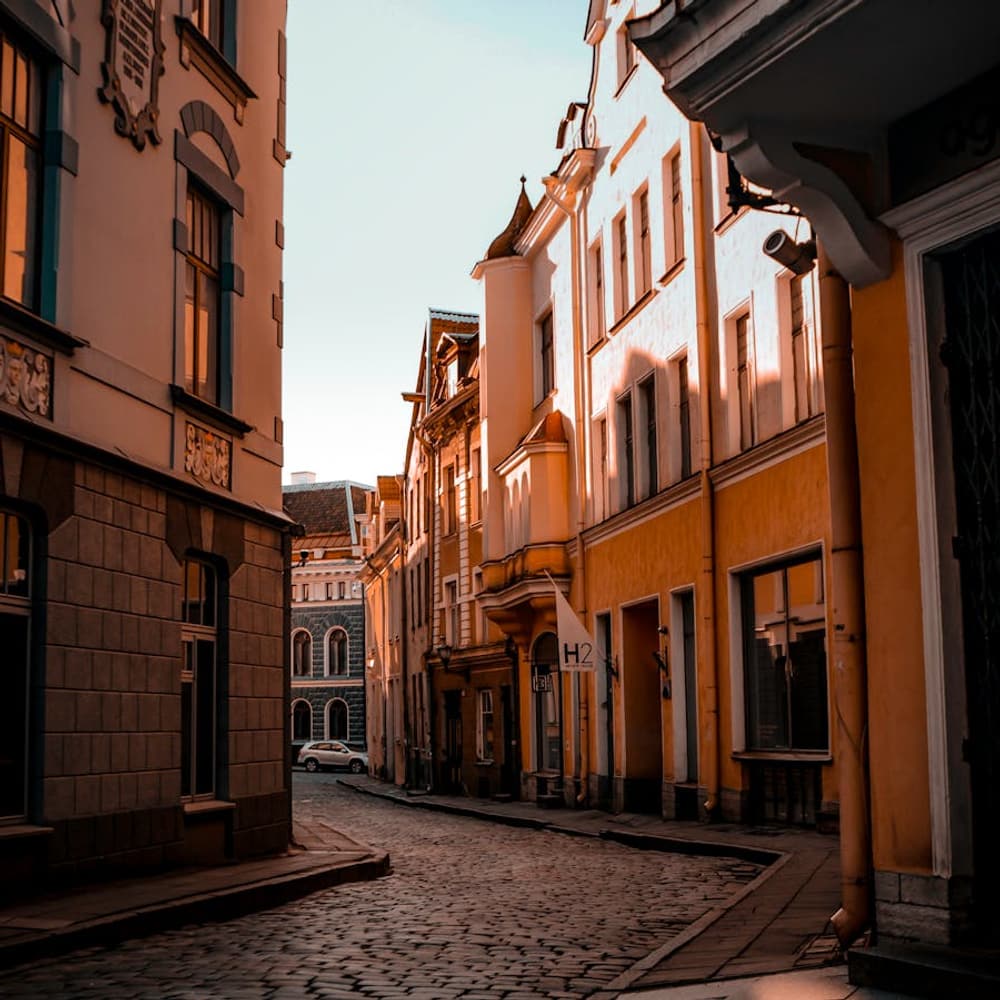
Český Krumlov in the Czech Republic gets mentioned, then skipped because Prague is easier. Go in shoulder season: the castle rises above a bend in the Vltava, kayakers pass below, and evening concerts spill into cobblestone lanes without stadium crowds.
Maribor, Slovenia, is wine country with a walkable center and a riverbank promenade designed for lingering. Lodging costs a fraction of Ljubljana. Restaurants plate forest mushrooms and river fish without the 'concept dining' markup.
Poland and Slovakia beyond Kraków
Toruń charms with gingerbread heritage and brick Gothic skylines—students keep cafes busy, not tour megaphones. Banská Štiavnica in Slovakia sits in collapsed volcano hills; mining museums, wooden churches, and forest trails fill days without a single selfie queue.
Iberia and Italy off the poster route
Cadaqués on the Costa Brava still feels like a painter's village when you arrive by bus, not yacht. Mornings are for espresso on the harbor; afternoons for coastal paths to secluded coves. In Italy, Matera is no longer unknown, yet many travelers still substitute a rushed day trip for an overnight—sleep in a sassi cave hotel and the stone city breathes differently after dark.
Trieste, on the Adriatic, blends Habsburg cafes, sea wind, and a literary café culture that rivals Vienna at half the price. Order osmize small-plate wine bar snacks and talk to the table next to you.
France and the Benelux without Paris prices
Colmar's half-timbered lanes photograph themselves, but visit in late autumn when Alsace wine routes quiet down. Namur in Belgium sits at the confluence of rivers—citadel views, slow barges, and weeknight brasseries that do not require reservations a month out.
Bayeux is more than a tapestry: it is a base for Normandy beaches with a human-scale downtown where bakeries still close Sunday afternoon. You park once; you walk everywhere.
The Balkans and eastern edges
Ohrid in North Macedonia wraps lake swimming, Byzantine churches, and fish grills into a budget that feels almost apologetic for how good the food is. Berat, Albania, stacks white Ottoman houses on a hillside—guesthouses open terraces to the river and breakfast arrives with homemade jam, not buffet steam trays.
Prizren, Kosovo, mixes Ottoman bridges, mountain views, and a cafe culture that turns an accidental afternoon into a five-hour conversation. Travel here rewards reading a bit of history beforehand and carrying cash for small vendors.
Nordic and Baltic calm
Visby on Gotland is a summer island, yes—but early June and September deliver medieval walls, wildflowers, and cycling between ruined churches without midsummer party density. Tartu, Estonia, is a student city with science museums, wooden neighborhoods, and river walks that feel like Finland at a gentler price point.
How to plan without overstructuring
Pick one region, two towns, and four nights each. Book trains between them; rent cars only if you are chasing trailheads. Eat lunch as your main meal when menus offer plat du jour deals. Ask hotel staff where they weekend—then go the opposite direction of their shrug if they say 'everyone goes to...'
Practical notes that keep trips smooth
- Timing: Shoulder seasons (April–May, September–October) cut crowds and keep cafes open.
- Stays: Two to three nights minimum—underrated towns reveal rhythm on day two.
- Language: Learn hello, please, and thank you; English is common among younger staff, less among market vendors.
- Payments: Cards work in cities; carry euros or local cash for bakeries and rural buses.
Europe's famous capitals will always deserve a visit—but the continent's personality often shows up louder in places where you hear your own footsteps on stone. Start with one town from this list that connects to a city you already planned. If you return home telling friends about a place they have to Google, you chose well.
Seasonal festivals worth planning around
Truffle fairs in Piedmont hill towns, Easter processions in Andalusian white villages, and harvest wine walks in Styria turn a quiet stay into a calendar event. Book lodging early for those weekends—still cheaper than capital hotel spikes, but guesthouses fill when locals return.
Rail passes versus point-to-point tickets
Regional trains between smaller towns are often cheap when bought station-side. A rail pass only wins if you chain multiple countries in a week. Pack light for stone streets and station stairs.
Food as your anchor memory
Market mornings beat Michelin hunts in underrated towns—sample cheese, cured meats, and pastries sold by vendors who grew up on the same square. Ask what is in season; seasonal eating is budget eating.
Pairing two towns in one week
Choose towns linked by a direct train under two hours—morning in a river city, afternoon in a hill village. You reduce packing churn and deepen both places. Hosts often share tips about the second town that no blog mentions because writers never stayed long enough to hear them.
Return home with one town you will defend when friends say they only do Europe capitals. That loyalty is how these places stay alive without becoming the next overcrowded postcard.
Sample five-day rhythm
Day one: arrive, walk perimeter, eat market dinner. Day two: museum or church, long lunch, sunset viewpoint. Day three: half-day hike or lake swim, afternoon cafe, early bed. Days four and five: optional day trip by bus, or repeat what felt best. This pace prevents the checklist panic that makes travelers say a town was small when they only gave it six waking hours.