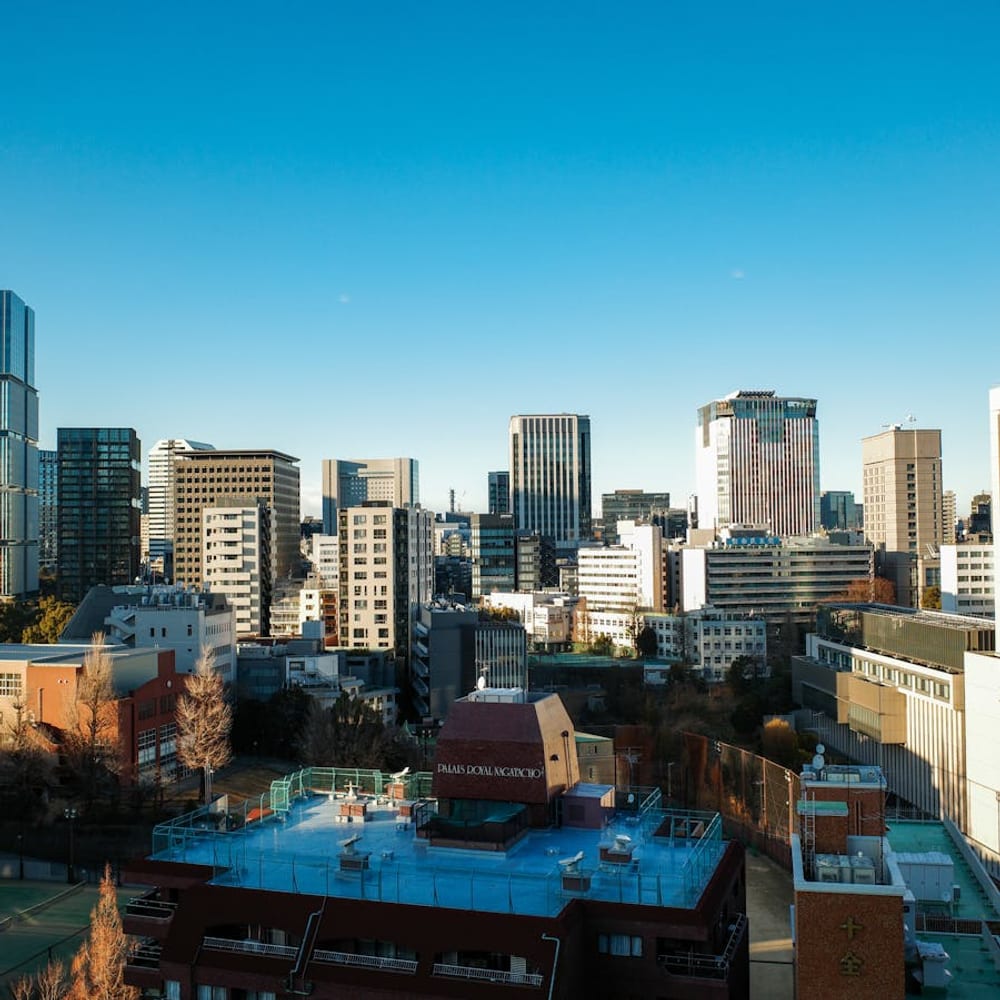
Tokyo café culture is not one culture. It is kissaten dark-roast time capsules, third-wave pour-over labs, kissaten-turned-record-listening rooms, and neighborhood spots where the regulars sit in the same seat they have used for twelve years. The places locals protect are rarely listed on 'top ten Tokyo café' reels—they hide upstairs, behind unmarked doors, or in alleys you would walk past if you were chasing Shibuya crossings.
You will not find a single map pin that unlocks all of them. You will find patterns: respect the house rules, order once and linger appropriately, put phones on silent, and do not treat a six-seat bar like your remote office unless invited.
Kissaten versus specialty: know the vibe
Kissaten grew post-war—thick porcelain cups, charcoal-grilled toast, jazz on vinyl, and coffee brewed through cloth filters for minutes, not seconds. Conversation stays low. Photography may be discouraged. Specialty shops celebrate beans, origin stories, and latte art—but even there, Tokyo often keeps seats scarce and turnover intentional.
Walk in, read the mood. If everyone faces the bar and nobody types on a laptop, you should not either.
Shimokitazawa and Koenji: creative pockets
Shimokitazawa rewards wandering without a strict list. Look for second-floor doors beside vintage clothing—small rooms with hand-dripped coffee and handwritten menus. Koenji's alleys host punk-era kissaten next to bakeries that sell melon pan still warm. Weekday afternoons are your friend; weekend nights are for live music, not whispered café time.
Locals come here to decompress from central Tokyo commutes. Prices stay closer to earth than Ginza. Tip: carry cash; some gems still do not take cards.
Yanaka and Nezu: old Tokyo rhythm
Yanaka Ginza's shopping street leads to side lanes where cats nap on walls and cafés double as galleries. Nezu's shrine area hides tea-and-coffee hybrids—matcha parfaits in one shop, deep roast in the next. These neighborhoods survived redevelopment pressure; that survival shows in wood interiors and owners who greet half the room by name.
Jimbocho: books and slow pours
Jimbocho is bookstore heaven—used volumes stack to the ceiling. Interleaved kissaten serve set menus: coffee, small salad, toast. Students and editors fill tables. You will wait for a seat at famous spots; have a backup two streets over. The win is not a photo—it is thirty quiet minutes between chapters.
Nakameguro and Daikanyama: canal walks
Nakameguro shines during cherry season, but off-peak months reveal canal-side micro cafés with seasonal sweets. Daikanyama's Hills complex is glossy—skip it when seeking hidden; instead, drift toward backstreets near Saigōyama where residential calm supports tiny counters with three stools.
Order seasonal pudding or chiffon cake when displayed—they rotate and sell out.
West Tokyo neighborhoods locals keep
Kichijoji's Harmonica Alley compresses bars and cafés into a maze—daytime coffee shops turn into tiny supper clubs at night. Nishi-Ogikubo champions curry and kissaten culture for people who live nearby, not hashtag hunters. Ogikubo station area blends commuter flow with standing espresso bars where salarymen read the sports page.
Setagaya's residential hills hide bakery-café hybrids—park nearby, walk ten minutes, reward yourself with toast sets after.
Etiquette that keeps doors open
- Speak softly; audio leaks in thin-walled rooms.
- Ask before photographing staff or interiors.
- One person, one order—do not split a single drink four ways.
- Linger respectfully; two hours on one coffee at rush hour is poor form.
How to discover your own list
Follow a local magazine's neighborhood feature, not a viral reel. Walk ten minutes from major stations. Notice where bicycle parking clusters outside a plain door. Return to a place that felt right—regular status in Tokyo cafés is earned by consistency, not loud enthusiasm.
Hidden cafés in Tokyo are hidden because they still work for the people who live there. Show up as a considerate guest, not a scavenger hunter, and the city opens cups you will remember longer than any themed latte.
Seasonal menus and limited sweets
Tokyo cafés rotate mont blanc, strawberry sandwiches, and hot pot set lunches by season. If a chalkboard says sold out, order the backup—owners often plate something equally thoughtful.
Subway etiquette en route
Arrive calm. Rush-hour trains and whisper cafés clash if you sprint in sweating. Build buffer time; your coffee deserves a settled pulse.
Pairing neighborhoods in one day
Combine Yanaka walk with Jimbocho books, or Nakameguro canal with Daikanyama backstreets—geography clusters reduce cross-city fatigue. One great café plus one great dinner alley beats five pins on a map.
Locals do not hide cafés from you—they hide from noise. Be quiet, be regular, and Tokyo rewards you with cups that feel like membership.
Payment and receipt rituals
Some kissaten prefer exact change; others use tray systems where you pay at the counter on exit. Watch the table behind you before ordering. Stacking coins loudly annoys—place them flat on the small dish provided. Keep voice low when staff call out your drink from the siphon bar.
Morning versus afternoon culture
Morning kissaten serve salarymen reading sports pages; afternoon shops lean toward students and freelancers with stricter laptop rules. Match your plan: espresso and toast at seven, pudding and tea at three. Ordering wrong sets does not offend—staff will redirect—but you miss the room's intended rhythm.
Transit cards and walking radius
IC cards work across trains and convenience stores; still carry coins for old registers. Pick a hotel or hostel near one interesting line—Chiyoda, Odakyu, or Tokyu—and explore outward two kilometers per day instead of crossing the city for a single cup.
Language cards that help
Print or save screenshots: no photo please, allergy note, cash only. Staff appreciate effort more than perfect pronunciation. A bow and arigatou go further than loud English repetition.
Seasonal heat and summer sweat
July and August turn second-floor rooms into greenhouses. Choose ground-floor spots with fans, hydrate before you climb stairs, and accept that iced coffee season is also a survival strategy. Winter kissaten with charcoal warmth become social heaters—linger if invited, leave when closing lights flicker twice.