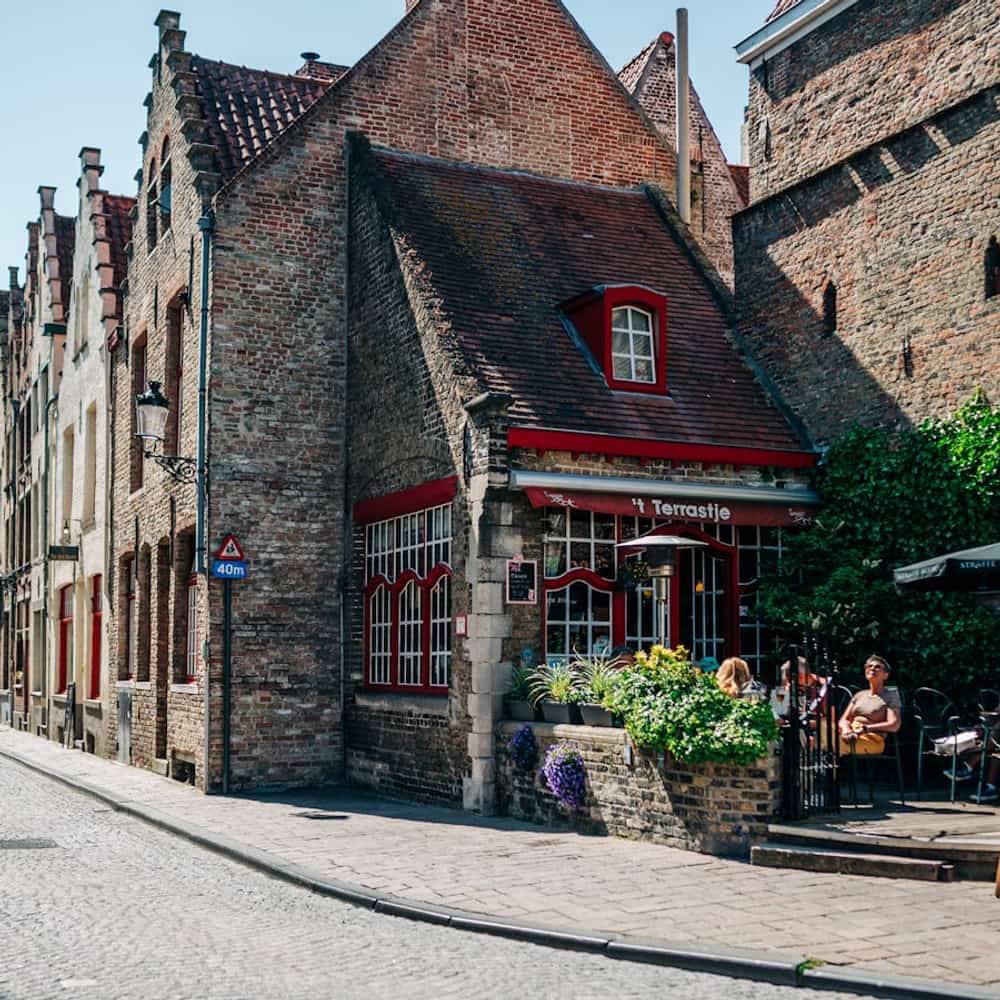
Europe confuses American travelers with its sameness—everyone uses euros in fewer places than you think—and its differences: a two-hour train can drop you in another language, tipping culture, and breakfast tradition. I have watched friends assume Schengen meant one visa forever (it does not) and others panic about pickpockets until they missed the Louvre on a perfectly walkable evening.
This guide is what to know before you go: money, borders, trains, phones, safety realism, and the pacing that keeps "Europe trip" from becoming "Europe sprint."
Schengen, visas, and how long you can actually stay
US, Canadian, UK, Australian, and many passport holders get 90 days in 180 in the Schengen zone—count carefully if you hop countries inside the zone. Non-Schengen pockets—Ireland, UK post-Brexit rules, Eastern Europe—have separate clocks. Longer stays need visas; working remotely on tourist entry is legally gray everywhere—do not confuse WiFi with permission.
Money: euros, crowns, cards, and cash habits

Eurozone is convenient but not universal—Sweden, Czechia, Poland, Hungary use local currencies. Cards widely accepted; carry cash for small bakeries, rural buses, and toilets that still charge coins. Contactless is standard—notify banks, watch dynamic currency conversion traps.
Trains versus cars: the European transport decision
Trains shine city to city—France, Italy, Spain, Germany, Switzerland. Book high-speed early for savings. Cars help rural Tuscany, Provence lavender roads, and Scottish Highlands—parking in old towns is pain. Many cities tax or ban center driving—park outside, walk in.
Budget airlines and the hidden time cost
Ryanair and cousins use secondary airports—add transfer time and bag fees before celebrating the €19 fare. Sometimes trains beat flights under four hours door to door.
Lodging: hotels, apartments, and monastery stays
Book refundable rates when festivals hit—Oktoberfest, Running of the Bulls, Venice Biennale openings. Apartments help families; hostels are not only for youth. Air conditioning is not guaranteed in historic buildings—check if summer sleep matters.
Phones and adapters
EU roaming helps EU SIMs; eSIMs simplify multi-country trips. Type C plugs dominate; UK is different. Download offline transit apps per city—Citymapper beats guessing bus numbers.
Safety: pickpockets, scams, and sober realism
Pickpockets target distraction—metro doors, landmark squares. Bags in front, zippers closed. Scams: friendship bracelets, petition clipboards, fake petitions near monuments. Violent crime is low in many cities versus US averages—still use normal urban sense at night.
Culture: meals, Sundays, and tipping
Dinner starts later in Spain and Italy. Sunday closures still happen in Germany and Switzerland—shop Saturday. Tipping: round up or leave five to ten percent where service is not included; Scandinavia includes service more often. Water—ask for tap; it is often fine and free.
Pacing: capitals plus one small town
Do not do London-Paris-Rome-Amsterdam in eight days unless you enjoy train stations as museums. Pick two countries deeply or one region—Andalusia, Bavaria, Dalmatia coast. Two nights minimum per stop; three for cities with museums you care about.
Health and travel insurance
EHIC does not replace travel insurance for non-EU visitors. Carry meds in original bottles. Pharmacies solve many minor issues—learn the local word for pharmacist.
Pre-departure Europe checklist
- Documents: Passport six-month buffer, Schengen day count, any visa.
- Money: Two cards, some euros, local currency starter for first non-euro country.
- Transport: Train reservations, park-and-ride research if driving.
- Culture: Basic phrases, Sunday closure awareness, dress codes for churches.
- Pace: Fewer cities, more mornings without alarms.
Europe rewards repeat visits more than one heroic sweep. Know the rules enough to relax, pack light for cobblestones, and let one afternoon be only a café and a bookstore. The continent is dense with history—but your trip improves when you stop trying to win it in a week and start listening to what each neighborhood sounds like after the tour buses leave.
Sustainability and overtourism
Venice, Barcelona, and Amsterdam regulate visitors—respect timed entries and resident neighborhoods. Travel shoulder seasons. Stay in licensed rentals where cities require it. You are a guest in living cities, not a conqueror of attractions.
Winter versus summer Europe
Winter: Christmas markets, museums, fewer crowds, short daylight. Summer: long evenings, alpine hikes, beach heat. Shoulder spring and fall remain the best default for first-timers balancing weather and price.
Go with curiosity about differences, not frustration that Europe is not home. That mindset is the real guide—and it fits in any carry-on.
Laundry, dress codes, and church visits
Coin laundromats appear in most cities—carry detergent sheets. Shoulders covered and hats off in active churches; some provide wraps. Quiet phones. Flash photography is often banned in chapels with frescoes.
Rail strikes and contingency days
France and UK occasionally see rail strikes—build a flex day in Paris or London. Download alternative bus apps. Strikes announce ahead sometimes; hotel refundable rates help.
Europe is not one country—treat each border crossing as a small reset, and your first trip will feel rich instead of rushed.
Food allergies and dietary needs
Carry allergy translation cards. EU allergen labeling helps. Vegetarians thrive in Italy and India-influenced UK cities; harder in meat-forward Balkan grill houses—research phrases.
Night trains and sleeper couchettes
Night trains return in fashion—book couchettes early, lock bags to racks, eye mask and earplugs essential. Shower before boarding when possible—close quarters reward kindness.
Before you go, set a realistic country count. Europe will still exist when you come back for the one you skipped.
One more pass before you go
Re-read visa and entry rules the week before departure, confirm transit times between stops, and leave one afternoon unplanned so weather, strikes, or a conversation can rewrite the day without stress.
Travel guides age; local prices, park hours, and seasonal closures change yearly. Treat this article as a framework, then verify borders, reservations, and insurance coverage on official sites before you lock non-refundable bookings.
Pack patience as seriously as adapters—first trips reward travelers who notice small cues more than those who collect every landmark photo before lunch.
Save one local contact—a hotel desk, a guide, a shop owner who helped you—for the question you will have on trip two. Good travel guides age into personal notes in your phone.