
If you measure a vacation by how many strangers share your beach towel, most famous islands will disappoint. Crowds are not moral failures—they are math. Limited coastline, easy flights, and one viral reel can fill a bay that felt empty a decade ago.
Quiet islands still exist for travelers who hate crowds: places with ferry caps, national park rules, off-season courage, or simply geography that filters casual visitors. You trade convenience for horizon space—and for many of us, that is a fair swap.
What quiet actually requires from you
Quiet islands punish the packing list of a city break. Cash, patience, early mornings, and nights without late-night delivery are normal. You might walk twenty minutes for dinner. Wi-Fi may stutter. The reward is hearing surf without a DJ set behind you.
Book longer stays—three nights minimum—so weather has time to improve and you are not racing a checklist.
Atlantic and Mediterranean escapes
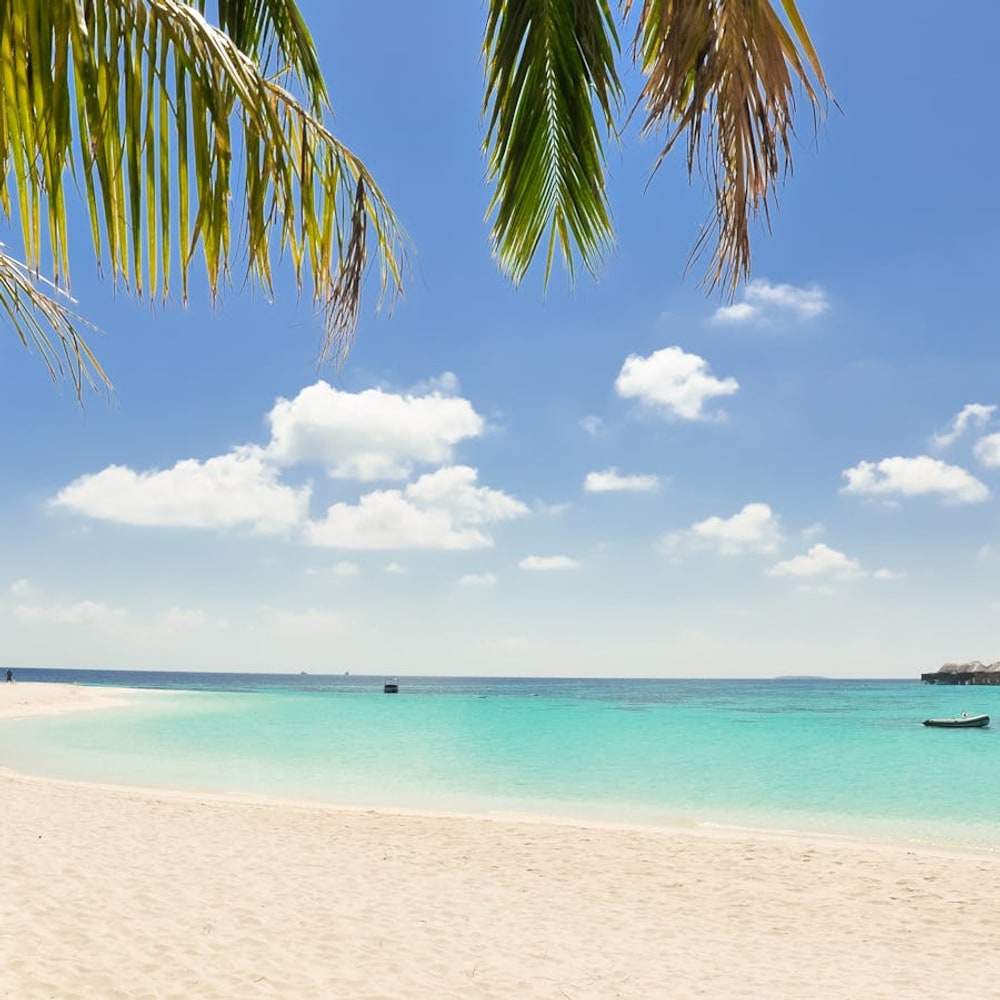
La Gomera in the Canary Islands bans high-rise sprawl—laurel forests, whistling language Silbo Gomero, and ferries from Tenerife that keep numbers human. Pico in the Azores is volcano hiking and cheese without São Miguel's volume.
Hydra in Greece prohibits private cars—donkeys and feet move goods; evenings sound like cutlery and conversation. Italy's Ponza is a Roman weekend secret—go midweek in May for coves you swim across alone.
Baltic and North Sea calm
Bornholm, Denmark, mixes cycling, smokehouses, and hammocks of light in summer without Copenhagen intensity. Germany's Sylt is famous domestically—visit shoulder season for watt walks and cafés without summer house madness.
Caribbean and Atlantic outliers
Carriacou in Grenada trades cruise ports for boat building and slow beaches. Marie-Galante near Guadeloupe is sugar cane, rum distilleries, and roads you share with goats. Saba is the Caribbean's unspoiled peak—steep, dive-focused, community tight.
Dominica is rainforest island, not beach factory—hot springs, trails, and small guesthouses over mega resorts.
Indian Ocean and Africa
La Digue in Seychelles limits vehicles—bicycles to Anse Source d'Argent at dawn beat afternoon coaches. Mozambique's Ilha de Moçambique is UNESCO time-warp—stone town, Portuguese layers, few sunbed armies.
Madagascar's Nosy Komba lemur forests meet village homestays—boats only, pack light.
Asia-Pacific low-density picks
Japan's Shodoshima olive terraces and art installations see domestic travelers but remain gentle by Kyoto standards. Philippines' Camiguin is volcano island with spring pools—small airport, friendly tricycle pace.
Australia's Bruny Island near Tasmania pairs cheese, lighthouse walks, and penguin nights without mainland resort towers. Fiji's Kadavu is dive and village homestay—no big-brand hotels, reef health priority.
Americas off the mega-resort map
Washington's San Juan Islands reward ferry life—Orcas Island hikes, Lopez Island cycling politeness. Maine's Monhegan Island limits day-trippers—artist trails, cliff walks, no cars.
Chile's Chiloé is stilt houses, curanto earth ovens, and churches UNESCO-listed—rain is part of the soundtrack.
Choosing your island match
- Beach focus: Ponza, La Digue dawn, Camiguin.
- Hiking focus: Dominica, Pico, La Gomera.
- Culture focus: Chiloé, Ilha de Moçambique, Hydra.
- Dive focus: Saba, Kadavu, Nosy Komba.
Quiet islands are not boring—they are rhythm resets. Pick one that fits your tolerance for logistics, respect local carrying capacity, and you will stop complaining about crowds because the only people on your morning walk might be fishermen who nod and keep mending nets.
Ferry literacy
Schedules shrink off-season; weather cancels boats. Build buffer days before flights home. Motion sickness meds help on open water.
Respecting island resources
Water may be desalinated or limited; long showers insult hosts. Power outages happen—charge devices midday when solar banks fill.
When to splurge once
One sunset sail or dive day funds locals who steward reefs. Skip trinkets; pay for experiences with licensed operators.
Quiet islands test whether you travel to be entertained or to listen. Pass the test and crowds feel optional forever.
Solo traveler safety nets
Share ferry times with hotel staff. Download offline maps. Quiet does not mean deserted—trust gut on empty beaches at night. Women travelers often prefer islands with active harbor communities year-round rather than seasonal-only resorts.
Food logistics
Small islands import goods—menus shrink off-season. Embrace canned fish creativity and garden salads. Tip cooks who stay open when weather keeps boats away. Packing snacks is respect, not insult.
Return trips and relationships
Second visits unlock invitations—village dances, fishing mornings, language progress. Islands reward loyalty more than novelty. Consider the same quiet island twice before collecting twelve new pins you barely remember.
Environmental limits
Reef-safe sunscreen, no shell collection, and conservative water use keep islands livable for residents after you leave. Crowds you hate often arrive when travelers ignore carrying capacity—be part of the solution.
Putting the trip into practice
Pick one idea from this guide and test it on your next three travel days—whether at home in a staycation practice mode or on the road. Change one booking habit, one meal routine, or one transport default. Small edits compound faster than vague promises to travel better someday without specifics.
Share your results with a friend who travels similarly. Comparing notes surfaces local hacks faster than scrolling generic lists. Communities thrive on specifics: prices, neighborhoods, routes, and realistic daily totals—not vague inspiration.
Reviews that help the next traveler
Leave online reviews that name what you learned, not only how photogenic a place was. Mention one person who helped you understand a rule, trail, or dish. Reviews can steer future visitors toward respect or toward entitlement; choose your sentences accordingly.
Measure success in days lived well, not checkboxes cleared. When your plan matches that principle, hidden gems stop feeling like compromises and start feeling like the smartest way to see the world.
Building your personal travel playbook
Keep a single note titled what worked and log three lines after each trip: cheapest win, biggest mistake, and one habit to repeat. Over a year, patterns appear—airports to avoid, regions where your card fails, seasons where your body and budget both thrive. That note becomes more valuable than any influencer packing list.
Teach one tip to another traveler. Explaining a strategy forces clarity and helps you remember it on tired travel days. The community around thoughtful travel improves when specifics circulate openly: hostel names, bus companies, market streets, and realistic daily totals.
Your playbook will differ from everyone else's, and that is the point. Copy principles, not identical itineraries. The travelers who stretch trips the furthest learn quickly and adjust without shame.