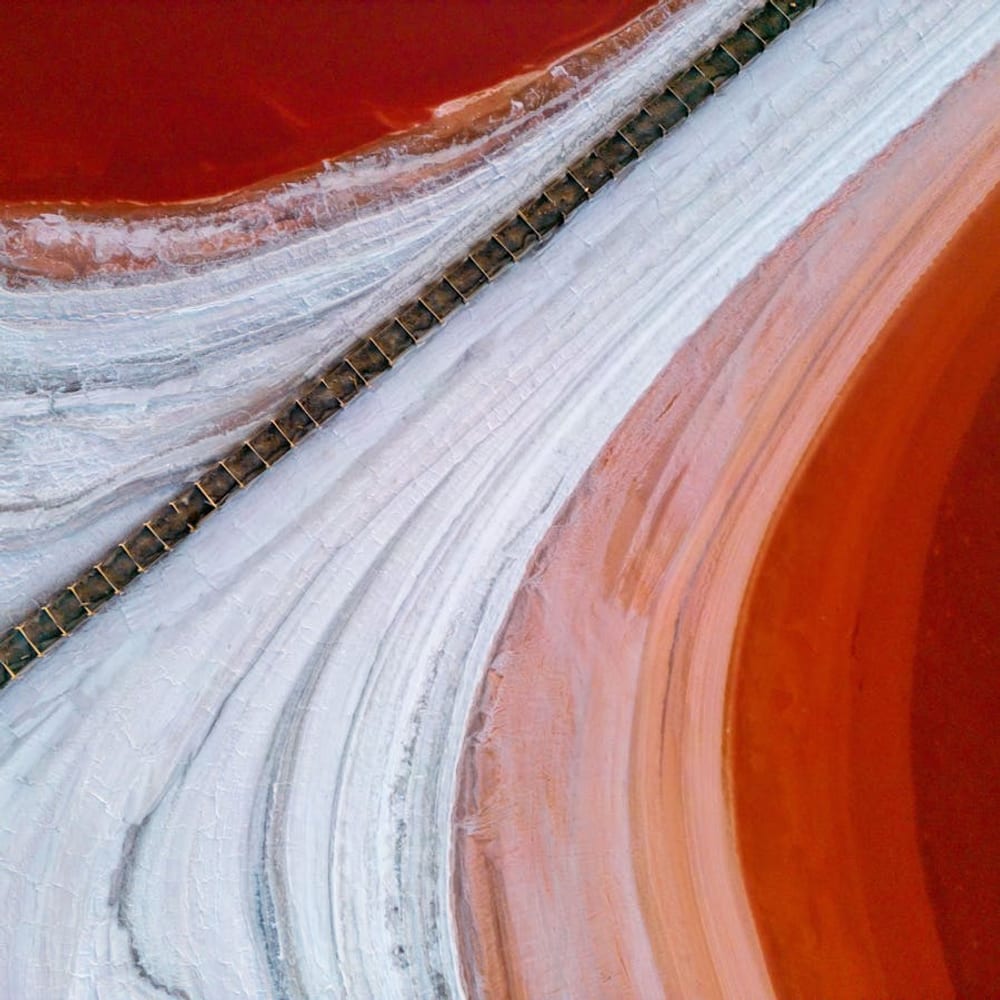
Some landscapes look imported from science fiction—neon lakes, stone forests, caves big enough for clouds. They are real, often protected, and frequently overshadowed by parks that bought louder ad campaigns. You do not need another photo of a crowded viewpoint; you need a place where scale makes you quiet.
Hidden natural wonders still have rules: permits, guides, seasonal access, and fragile soils that punish off-trail ego. This list balances wow factor with visitability—research current conditions before you fly.
Alien geology you can stand on
Ethiopia's Danakil Depression holds sulfur fields and acid pools—organized tours mandatory, heat extreme, otherworldly yellows and blues that feel toxic and beautiful at once. Pamukkale in Turkey is famous; lesser-known travertine terraces exist in Huanglong, China—boardwalks over pools that tier down a valley.
Wadi Rum's sandstone in Jordan is not secret, yet night sky camping still feels like Mars with Bedouin tea. Bolivian Salar de Uyuni mirrors sky during wet season—book ethical operators who pay local drivers fairly.
Caves, sinkholes, and underground halls
Son Doong in Vietnam requires expedition permits—plan years ahead or visit Phong Nha's other caves on day trips. Mexico's Cenote Dos Ojos near Tulum is known; dive deeper into lesser-visited systems like Cenote Angelita with certified guides only.
New Mexico's Carlsbad Caverns is iconic; add Lechuguilla's story via ranger talks even if you cannot enter—learning depth matters. In Slovenia, Škocjan Caves UNESCO halls dwarf you with underground river thunder.
Forests that should not exist here
Socotra Island's dragon blood trees are endemic—Yemen access varies; when open, hire local fixers. Japan's Yakushima cedar forests drip moss—trails mud-soft, spirits thick. Poland's Crooked Forest near Gryfino is small but eerily deliberate—combine with Baltic coast days.
Water in impossible colors
Canada's Abraham Lake freezes with methane bubble patterns—winter only, cold serious. Colombia's Caño Cristales blooms red aquatic plants briefly—June to November windows, guided wades only.
New Zealand's Te Waikoropupū Springs near Nelson push clarity limits—respect Māori rahui rules posted at entry. Philippines' Hinatuan Enchanted River is managed with timed swims—follow rangers, do not freestyle dive unknown depths.
Highlands and volcanic rims
Iceland has crowds at Golden Circle—detour to Kerlingarfjöll rhyolite hills with steam valleys fewer day buses reach. Azores' Sete Cidades twin lakes in a caldera are accessible by car—clouds play cinematographer.
Indonesia's Kelimutu tri-colored crater lakes on Flores shift hue—sunrise drives from Moni village, bring warm layer.
Desert formations and salt geometry
White Sands National Park in New Mexico is gypsum, not quartz—cool underfoot at dusk. Chile's Valle de la Luna near San Pedro de Atacama is lunar at sunset. Namibia's Fairy Circles puzzle scientists—observe from respectful distance on communal land.
Visit like the wonder will outlive your feed
- Check if drones are banned—many wonder sites prohibit them.
- Hire local guides where indigenous land rights apply.
- Pack out everything; neon lakes are often acidic nearby soils.
- Avoid stacking fragile sites in one day—fatigue kills wonder.
Natural wonders that look like another planet remind you the Earth is older than any passport. See one properly—slow, permitted, present—and you stop needing to chase the next viral cliff. The planet was already showing off; you just needed a quieter ticket counter.
Climate change and access shifts
Glaciers retreat, lakes dry, trails close after floods. Check official park pages week-of. Flexibility beats heartbreak when permits cancel.
Altitude and hydration
Colorful high lakes and volcanic rims punish dehydration. Ascend gradually, eat salts, respect headache signals.
Guided versus solo
Some wonders require guides by law—not a tourist trap, a safety and conservation tool. Tip fairly; learn names of formations in local language.
Another-planet feeling fades if you rush. Sit ten minutes. Let scale sink in. Then take the photo—if still needed.
Protective gear beyond Instagram
Sulfur fields need scarves; deserts need lip balm; caves need headlamps with spare batteries. Fashion boots fail on scree. Rent local gear when available—it fits trails you do not know.
Combining wonders with human culture
Pair Danakil with coffee ceremony education, or cenotes with Mayan community meals. Landscape awe lands deeper when you eat the same corn people grow beside neon lakes. Do not treat wonder sites as backdrops only.
Offset and park fees
Many fragile sites charge modest fees—pay them without grumbling. They fund rangers who remove trash you did not drop but others did. Ask where money goes; good operators answer clearly.
Photography timing
Blue hour and ten minutes after sunrise beat noon contrast on striped mountains and salt flats. Midday is for caves and forests, not glare deserts. Tripods may need permits—ask rangers.
Putting the trip into practice
Pick one idea from this guide and test it on your next three travel days—whether at home in a staycation practice mode or on the road. Change one booking habit, one meal routine, or one transport default. Small edits compound faster than vague promises to travel better someday without specifics.
Share your results with a friend who travels similarly. Comparing notes surfaces local hacks faster than scrolling generic lists. Communities thrive on specifics: prices, neighborhoods, routes, and realistic daily totals—not vague inspiration.
Reviews that help the next traveler
Leave online reviews that name what you learned, not only how photogenic a place was. Mention one person who helped you understand a rule, trail, or dish. Reviews can steer future visitors toward respect or toward entitlement; choose your sentences accordingly.
Measure success in days lived well, not checkboxes cleared. When your plan matches that principle, hidden gems stop feeling like compromises and start feeling like the smartest way to see the world.
Building your personal travel playbook
Keep a single note titled what worked and log three lines after each trip: cheapest win, biggest mistake, and one habit to repeat. Over a year, patterns appear—airports to avoid, regions where your card fails, seasons where your body and budget both thrive. That note becomes more valuable than any influencer packing list.
Teach one tip to another traveler. Explaining a strategy forces clarity and helps you remember it on tired travel days. The community around thoughtful travel improves when specifics circulate openly: hostel names, bus companies, market streets, and realistic daily totals.
Your playbook will differ from everyone else's, and that is the point. Copy principles, not identical itineraries. The travelers who stretch trips the furthest learn quickly and adjust without shame.