Paris is magnificent—and expensive enough that a long weekend can feel like you paid rent twice. If your goal is café terraces, river walks, museums, and neighborhoods you can wander without budget anxiety, several cities deliver the same emotional hits at fractions of the cost.
Cheaper does not mean lesser. It often means fewer headline attractions per square mile but deeper daily life: markets, trams, student energy, and dinners that do not require a reservation war.
How these cities compare to Paris
Think in categories: architecture, food, green space, public transit, and night energy. No city clones Paris. Many beat it on specific scores—pastries in Vienna, ruin bars in Budapest, tilework in Lisbon—while costing far less for lodging and wine.
Use Paris as a benchmark, not a competitor. You are optimizing for experience per euro (or per local currency).
Lisbon and Porto: Atlantic light
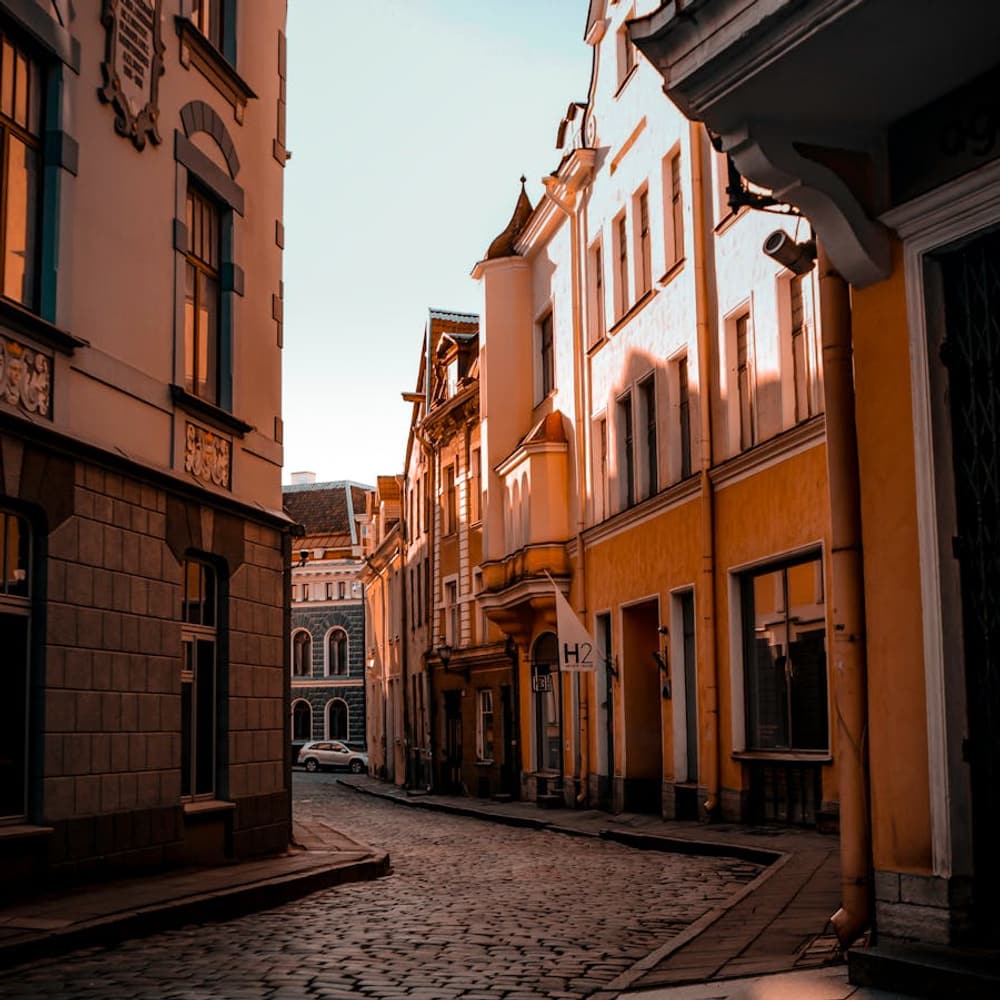
Lisbon stacks miradouros, tile façades, and seafood on bronze plates—tram hills work your calves, pasteis de nata work your soul. Porto is smaller, Douro river wine cellars, francesinha once then back to grilled sardines. Both stay gentler on wallets than Paris hotels near the Marais.
Budapest: thermal baths and grand boulevards
Parliament reflects on the Danube, ruin bars hum in District VII, and Széchenyi baths steam even in winter. Metro lines are old but functional. A fine three-course dinner can cost what Paris charges for starters.
Kraków and Wrocław: Poland's dual charm
Kraków's main square is UNESCO-polished without Parisian price tags—day trips to salt mines optional. Wrocław's dwarf statues and island cathedrals reward wandering students and retirees alike.
Athens and Thessaloniki: ancient plus alive
Athens mixes Acropolis views with neighborhood tavernas where octopus dries in sun. Thessaloniki is food-forward—mezze culture, waterfront promenade, younger crowd. Both sun-drenched, both kinder to tight budgets than French riviera fantasies.
Valencia and Granada: Spain south
Valencia gives you Turia park gardens, paella origins, and beach without Barcelona's housing crunch. Granada's Alhambra needs tickets, yes—but tapas with free small plates still exist in bars if you order beer thoughtfully.
Tbilisi and Yerevan: Caucasus hospitality
Tbilisi's sulfur baths, wine in clay qvevri, and balconies leaning over the Mtkvari feel cinematic and affordable. Yerevan frames Mount Ararat views on clear days—brandies, lavash, and Soviet-modernist mix.
Mexico City and Buenos Aires: Americas
CDMX is museum dense—Frida, Anthropology, street tacos at midnight—peso swings can favor foreigners ethically if you tip well and stay in local neighborhoods, not only Polanco. Buenos Aires trades Parisian café culture for tango, steak, and bookstores—euro-like vibe, often lower lodging if you avoid peak weeks.
Making the swap work
- Fly open-jaw into one city, out of another—train between.
- Stay in residential districts with metro access, not only historic cores.
- Lunch menu deals beat dinner splurges daily.
- Museum passes still exist—buy only if you will use three sites.
Underrated cities win when you stop collecting landmarks like stamps and start living hours—market coffee, park bench, tram ride home. Paris can wait; your budget might thank you for Budapest's bath steam or Lisbon's sunset first.
Currency and timing
Exchange rates shift bargains—ethical travel means tipping service workers well even when meals feel cheap to you. Shoulder seasons cut hotel peaks.
Museum strategy
Pick two must-sees per city, not six in two days. Free walking tours tip-based—research operator ethics before joining.
Neighborhood stays
Residential districts with metro stops beat station-adjacent chains. Grocery breakfasts fund nicer dinners—city flavor often lives in markets anyway.
Paris can stay on the list—but these cities prove budget and beauty are not enemies. You might postpone Eiffel stress another year without missing joy.
Art without Louvre lines
Budapest's Museum of Fine Arts, Lisbon's Gulbenkian, and Mexico City's Franz Mayer offer masterpieces without three-hour queues. Book online where tickets exist; walk up where they do not. Student discounts still apply to many travelers under twenty-six with ID.
Night markets versus cabaret prices
Street food nights in Taipei or Oaxaca adjacent cities cost less than one Paris cocktail. Save splurge nights for opera or jazz clubs locals actually attend—ask hotel desk for neighborhood venues, not brochure lobbies.
Learning basic transit gestures
Metro maps in Budapest and Tbilisi are learnable in one ride. Confidence on trams beats taxi surge pricing and traffic stress. Buy day passes only if you will ride four plus times.
Long-stay discounts
Weekly apartment rentals in Valencia or Krakow beat hotel chains for ten-day trips. Kitchens let you shop markets—where city culture actually hums. Wash clothes mid-stay; pack lighter next time.
Putting the trip into practice
Pick one idea from this guide and test it on your next three travel days—whether at home in a staycation practice mode or on the road. Change one booking habit, one meal routine, or one transport default. Small edits compound faster than vague promises to travel better someday without specifics.
Share your results with a friend who travels similarly. Comparing notes surfaces local hacks faster than scrolling generic lists. Communities thrive on specifics: prices, neighborhoods, routes, and realistic daily totals—not vague inspiration.
Reviews that help the next traveler
Leave online reviews that name what you learned, not only how photogenic a place was. Mention one person who helped you understand a rule, trail, or dish. Reviews can steer future visitors toward respect or toward entitlement; choose your sentences accordingly.
Measure success in days lived well, not checkboxes cleared. When your plan matches that principle, hidden gems stop feeling like compromises and start feeling like the smartest way to see the world.
Building your personal travel playbook
Keep a single note titled what worked and log three lines after each trip: cheapest win, biggest mistake, and one habit to repeat. Over a year, patterns appear—airports to avoid, regions where your card fails, seasons where your body and budget both thrive. That note becomes more valuable than any influencer packing list.
Teach one tip to another traveler. Explaining a strategy forces clarity and helps you remember it on tired travel days. The community around thoughtful travel improves when specifics circulate openly: hostel names, bus companies, market streets, and realistic daily totals.
Your playbook will differ from everyone else's, and that is the point. Copy principles, not identical itineraries. The travelers who stretch trips the furthest learn quickly and adjust without shame.