In Lima, a taxi driver once told me his neighborhood was the bread side of the avenue—not by income, but by which bakery supplied Sunday rolls. He said it the way people elsewhere name sports teams: obvious, inherited, slightly competitive. I had come for ceviche; I left thinking about how food sorts belonging before any museum opens.
Every country argues with itself at the table. Staples answer climate and trade. Spices record exchange. Restrictions mark faith or scarcity. Celebrations concentrate labor into dishes that only make sense once a year. For travelers, tasting identity is not about collecting shock bites. It is about noticing what locals repeat without commentary.
Staples are the quiet constitution
Rice cultures organize time around soaking, steaming, and sharing from a common pot. Wheat cultures stretch into flatbreads, noodles, and oven heat that perfumes streets at dawn. Maize in Mesoamerica depends on nixtamalization—the step that makes corn nutritionally complete and ceremonially central. When a staple shifts, identity wobbles: imported wheat changed Japanese breakfasts while rice stayed ritual; cassava eased yam pressure in parts of West Africa and reshaped rural calendars.
Ask what people eat on a tired Tuesday, not only holiday feasts. The answer is closer to a national rhythm than any slogan on a wall.
Markets broadcast values in real time
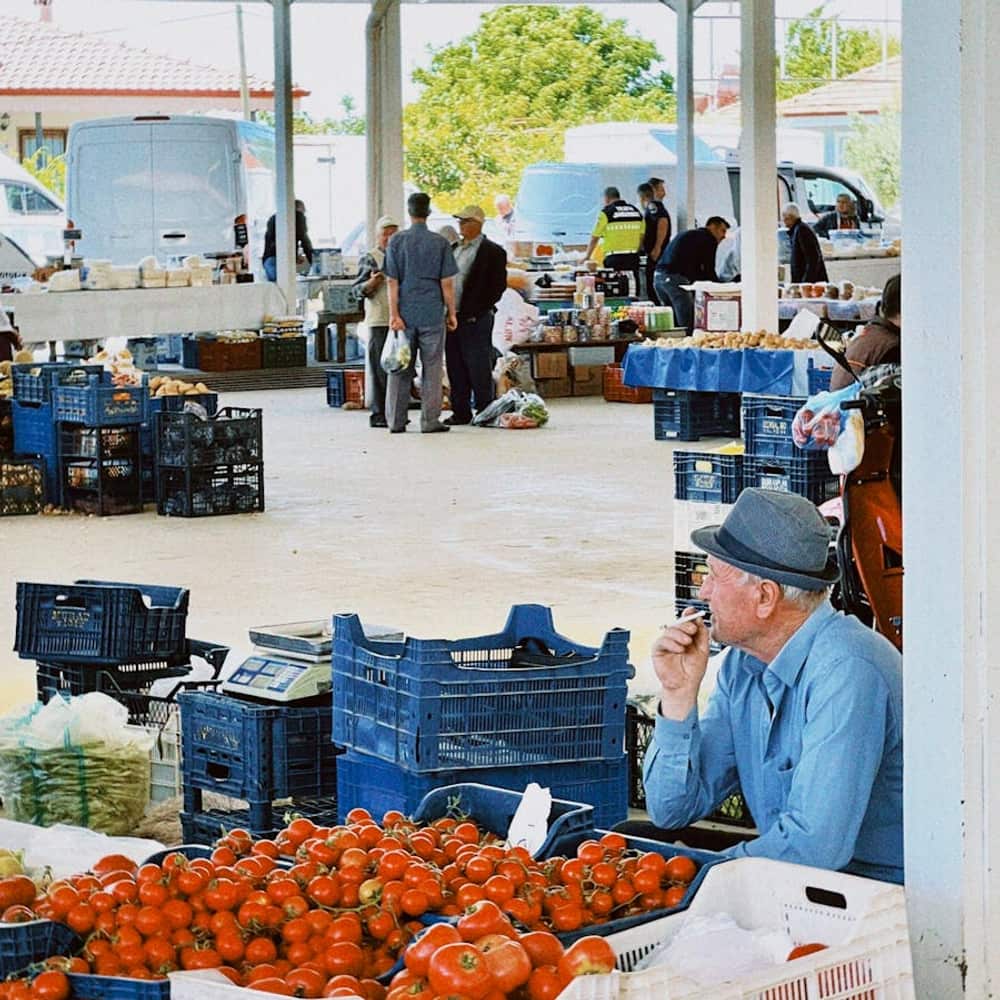
Morning markets reveal gender roles, bargaining ethics, and what freshness means. In Morocco, spice pyramids are theater and taxonomy. In Vietnam, herb bundles finish dishes at home and are priced like jewelry. In Germany, Saturday markets still anchor civic pride even when supermarkets own weekdays.
Names are borders
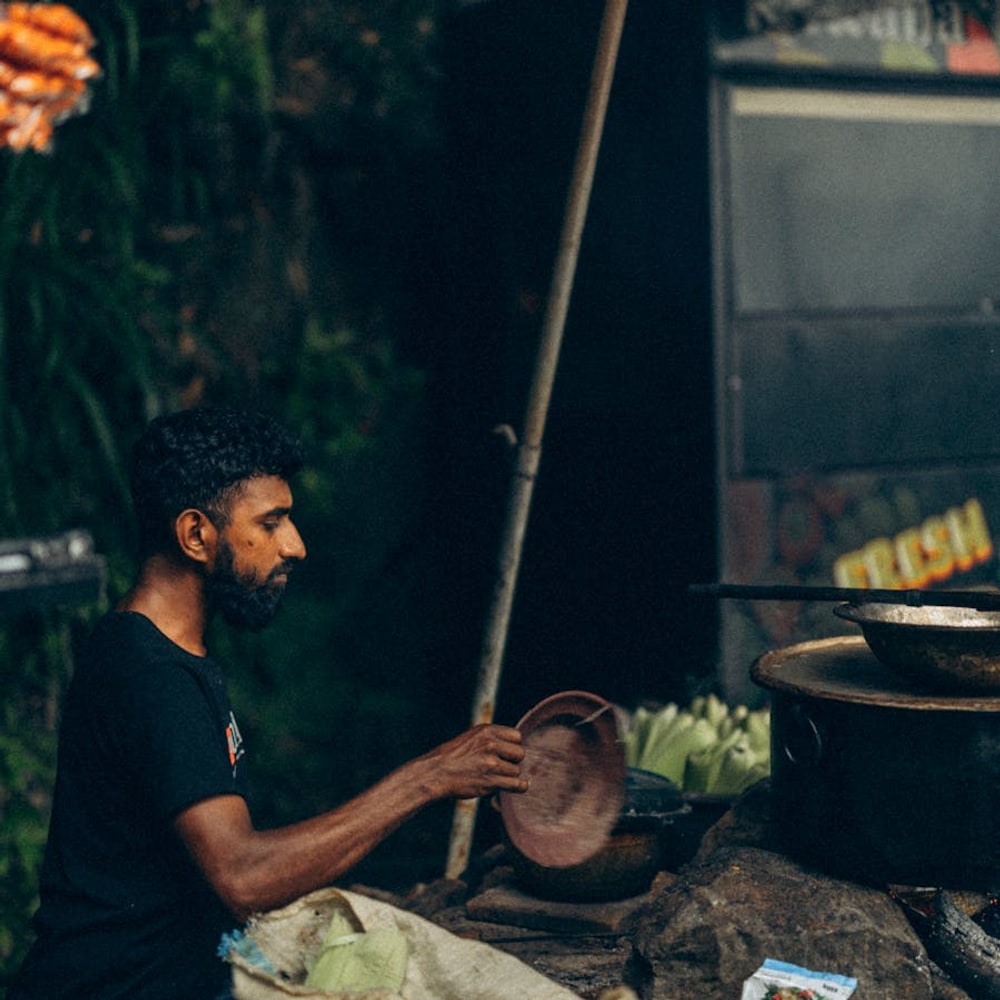
Call a dish by the wrong regional name and you will get a friendly correction that is also a map. Protected appellations, reclaimed Indigenous terms, and slang that separates insiders from tourists all show how language guards flavor.
Migration writes second editions
Diaspora kitchens braid memory with new supply chains. Peranakan tables in Malaysia and Singapore mix Chinese technique with Malay ingredients. Trinidadian doubles fuse Indian fry bread with Caribbean chutney rhythms. London curry arcades document empire's complicated afterimage. These plates are not failed copies; they are negotiations still in progress.
Host families teach through repetition: Monday soup, holiday soup with more marrow, the same pot passed without recipe cards. Notice who may alter a dish and who must follow it exactly—that permission is culture in miniature.
Travel without fetishizing
Eat where procurement is visible: bakeries with queues, port grills, markets that smell like ice and citrus. Learn one origin story of a staple and repeat it accurately. Respect taboos around pork, alcohol, or fasting without performance. Photograph ingredients as often as finished plates.
Identity is not a diorama behind glass. It is lunch, tomorrow's lunch, and the debate at the next table about chili levels. Stay for two meals and you will hear the country argue with itself in the best way.
Bring it home honestly
Recreate one technique, not the entire fantasy menu. Ferment longer. Toast spices fresh. Buy from diaspora grocers who name regions correctly. Food identity travels when respect travels with it—otherwise you are only importing props.
Regional tables worth studying
In the Andes, potatoes arrive in dozens of varieties on one plate—each tuned to altitude. In the Horn of Africa, injera doubles as utensil and communal contract. In the Philippines, vinegar and fermentation turn humble fish into pantry insurance. These choices answer soil, trade, and celebration calendars rather than restaurant fashion.
Ask vendors what is in season, not what is famous. Seasonal eating is identity in motion, not a static postcard you capture once.
When food politics meet the traveler
Export rules, protected labels, and seed debates shape menus long before chefs do. Understanding why a name is guarded helps you see pride, not pedantry, when locals correct you.
Support cooperatives and home cooks when tours offer them—fees often return to people who still shop at dawn markets, not only to brands with marketing departments.
After you return home
Keep one spice mix and one accurate story. Cook for friends with real geography attached. Identity continues when context travels with flavor instead of vague exotic branding.
Street food as public classroom
Queues of uniformed workers reveal lunch trust. Copy their orders before yours. Watch how sauces are offered—sometimes refusal is polite, sometimes it signals you do not belong yet.
Take notes on spice balance, not only on Michelin stars. Identity hides in condiment bars.
Mapping identity on a short trip
Choose one staple to follow from field to plate: rice, wheat, maize, or root crops. Visit a market, a home kitchen if invited, and a casual lunch counter. Three stops build a narrative guidebooks split across chapters. Write down who serves whom—gender and age still shape food labor in many places, and noticing that is part of honest travel writing in your own journal.
Compare supermarket aisles with market stalls. Imported snacks tell migration stories; local brands tell pride stories. Photograph labels only when allowed; some vendors treat labels as trade secrets.
Putting how food shapes local identity across different countries into practice
Choose one habit for this trip: arrive earlier than tourists, eat once where workers eat, and return to the same block twice. Repetition turns novelty into pattern recognition. You will start predicting smells, queue shapes, and the hour when shopkeepers switch from selling to chatting. That predictability is not boredom—it is the moment a place lets you in.
Write three observations nightly: what surprised you, what embarrassed you, and what you would do differently tomorrow. Embarrassment is data; ignoring it wastes tuition you already paid with airfare.
Share stories at home with names and specifics, not only adjectives. Credit cooks, guides, hosts, and bus drivers by role if not by full name. Specific gratitude keeps travel ethical and memory vivid.
When you plan a return trip, support the same vendors if they still operate. Culture stays alive when return visitors act like mild relatives, not one-time consumers chasing content.