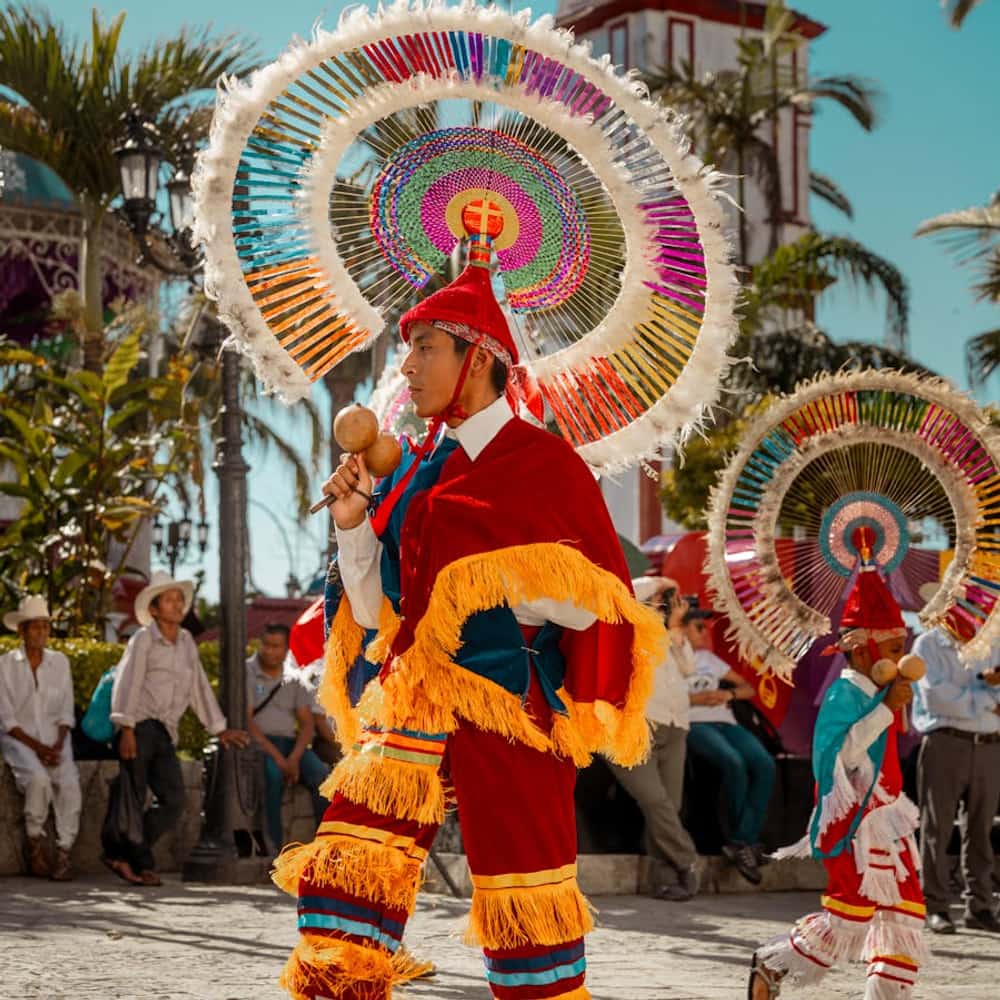
The best festival I almost missed was not on any influencer list. It was a neighborhood rice harvest celebration in northern Thailand where strangers handed me sticky rice from bamboo tubes and laughed when I tried to peel the charred husk with bare hands. No stage, no VIP section—just drums, smoke, and food that tasted like the season itself.
Festivals are travel compressed into a few days: music, dress, history, and appetite all at once. The ones worth planning around are usually older than tourism boards and still run on community labor, not ticket scanners alone.
What makes a festival worth the trip
Look for events rooted in agricultural cycles, religious calendars, or independence stories locals tell with pride. If the primary audience is residents first and visitors second, you are likely in the right place. Over-commercialized versions can still be fun, but they rarely carry the same emotional weight.
Timing and logistics
Book accommodation early for movable feasts tied to lunar calendars. Shoulder nights before and after the main day often hold the best processions and fewer crowds.
Festivals where food is the main language
Diwali sweets tables, Lunar New Year dumpling gatherings, and Mexico's Día de los Muertos altar breads turn abstract culture into something you can taste. Street portions are small on purpose—sample widely, waste little.
During Oaxaca's Guelaguetza season, mole varieties become a map of valleys and family recipes. In Naples, pizza festivals are less gimmick than civic argument about dough hydration. Show up hungry and patient.
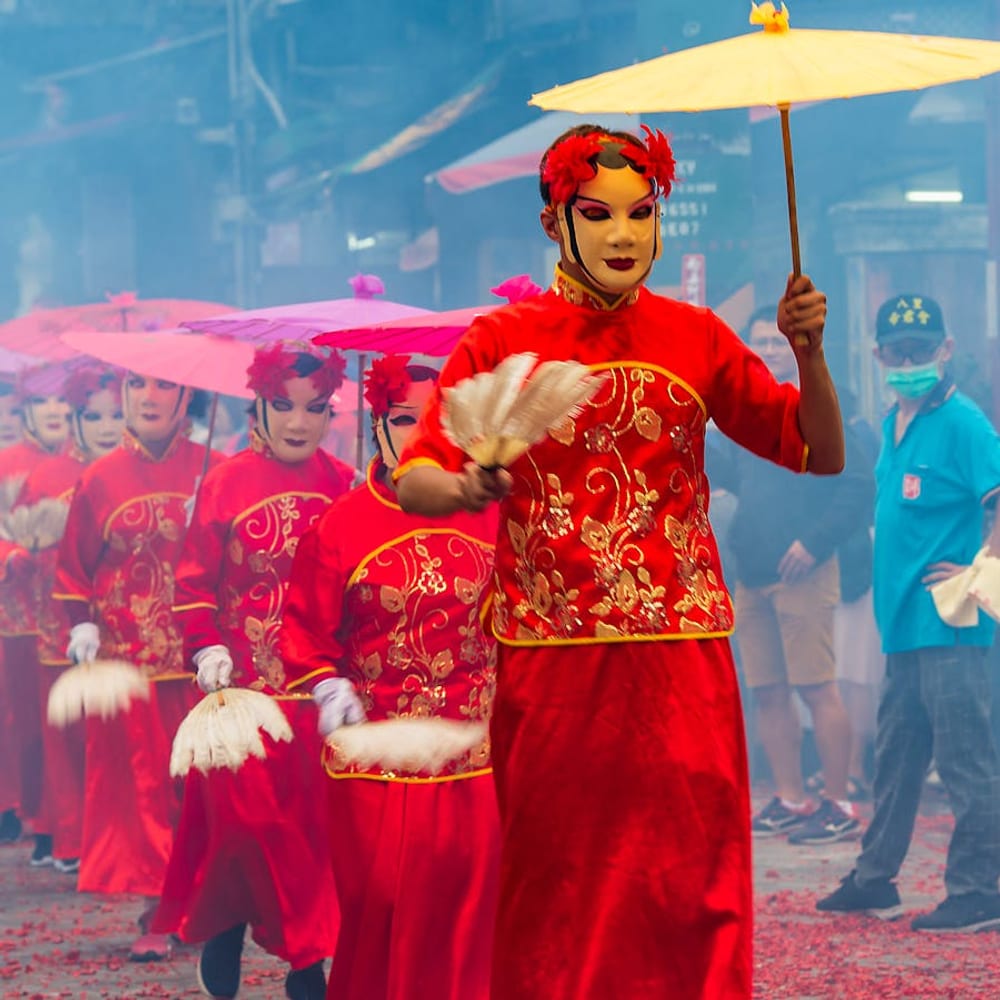
Processions, costumes, and participation rules
Some parades invite visitors to walk along; others are sacred and closed. Ask at tourist offices, but trust local shopkeepers more. Photograph performers from a respectful distance unless invited closer.
Sound, fire, and safety
Fire festivals—from Scotland's Hogmanay customs to Japanese summer fireworks—reward ear protection and shoes you can move in. Crowd crushes are real; identify exit routes when you arrive, not when drums accelerate.
Lesser-known celebrations worth the detour
Pushkar's camel fair blends Rajasthani trade with desert music. Gion Matsuri in Kyoto layers centuries of craft guild pride into portable shrines. In Bolivia, Alasitas markets turn miniature offerings into a playful economy of wishes.
Basque cider houses during txotx season are technically not a single festival day, yet they function like one: communal pouring, sharp cheese, and songs that only make sense after the third glass.
How to attend without draining the place
Spend locally. Eat from vendors who live in the region year-round. Avoid blocking narrow alleys for photos. Learn one thank-you phrase and use it until your pronunciation improves.
Leave drones at home unless regulations explicitly allow them. Tip performers only where customary; many cultural groups are nonprofit collectives that publish donation guidelines.
Building a festival-first itinerary
Pick one anchor event per trip rather than chasing three countries in a week. Pair the festival with a slower city stay afterward to process what you saw. Journal names of dishes and dances the same night—memory fades fast when incense smoke is involved.
Festivals are not background entertainment. They are arguments a community makes about who they are and what they still value. Show up as a guest, not a consumer, and you will leave with stories that outlast any souvenir.
Regional festivals worth calendar space
Carnival in Trinidad layers calypso competition with weeks of costume labor. Songkran in Thailand turns heat into communal water ritual—protect electronics and respect elders who sit out the splash zones. Timkat in Ethiopia colors processions with white garments and choral dawn. Each event has interior etiquette: where to stand, when to clap, what not to photograph.
Harvest fairs in Alpine valleys and grape crush weeks in Mediterranean towns reward travelers who help carry a crate before expecting free pours. Labor participation buys belonging faster than a VIP wristband.
Travel insurance for festival weeks
Crowds, dehydration, and late nights increase minor injuries. Carry copies of insurance cards. Identify clinics before drums start. Festival joy collapses fast if you cannot find rehydration salts at 2 a.m.
Respecting closed portions
Some dances are initiation-only. Some altars are family-only. Accept closed doors without bargaining for access your ticket did not purchase.
Post-festival calm
Stay an extra day after the headline event. Streets sweep, vendors debrief, and honest conversation returns at normal volume. That day often teaches more than the parade peak when everyone performed for cameras.
Putting traditional festivals around the world worth experiencing into practice
Choose one habit for this trip: arrive earlier than tourists, eat once where workers eat, and return to the same block twice. Repetition turns novelty into pattern recognition. You will start predicting smells, queue shapes, and the hour when shopkeepers switch from selling to chatting. That predictability is not boredom—it is the moment a place lets you in.
Write three observations nightly: what surprised you, what embarrassed you, and what you would do differently tomorrow. Embarrassment is data; ignoring it wastes tuition you already paid with airfare.
Share stories at home with names and specifics, not only adjectives. Credit cooks, guides, hosts, and bus drivers by role if not by full name. Specific gratitude keeps travel ethical and memory vivid.
When you plan a return trip, support the same vendors if they still operate. Culture stays alive when return visitors act like mild relatives, not one-time consumers chasing content.
Staying curious without entitlement
Ask permission, accept no, and do not treat local patience as a product you purchased with a plane ticket. Curiosity paired with restraint is what earns second invitations—whether to a table, a rehearsal, or a market back room.
Leave online reviews that name what you learned, not only how photogenic a place was. Mention one person who helped you understand a rule or recipe. Reviews can steer future travelers toward respect or toward entitlement; choose your sentences accordingly.
When you pack for home, leave extra space for nothing—gifts are optional, but lessons should weigh nothing and still fill your carry-on habits for years ahead.