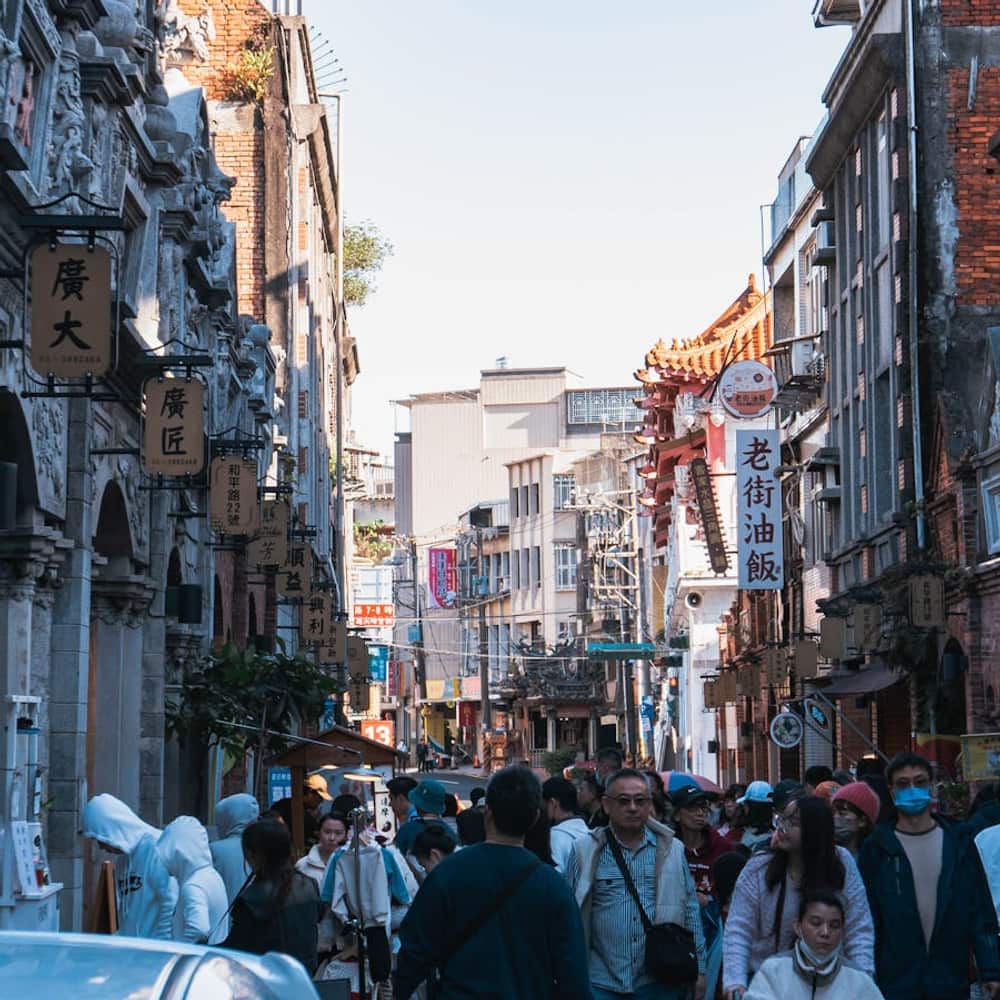
My favorite market mistake happened in Istanbul: I bargained for saffron like I was at a tourist bazaar when the vendor was quietly weighing pharmacy-grade threads for local households. He did not scold me. He handed the scale to the woman behind me and let her transaction teach me the room's real economy.
Street markets are cities in miniature—logistics, gossip, credit, and appetite compressed into alleys. The fascinating ones are not always the largest. They are the ones where price, pace, and politeness still belong to residents.
Markets that reward an early alarm
Outer Tsukiji rhythms in Tokyo still teach discipline: knives flash, ice mountains shrink, and breakfast sushi appears as wages for labor finished before office workers wake. In Hoi An, dawn fish tables dissolve by eight; miss them and you will think the town is only lanterns. Oaxaca's Mercado 20 de Noviembre layers smoke, chocolate, and mole pastes into a corridor you smell before you see.
In Marrakech, Djemaa el-Fna rebuilds nightly—grill smoke, storytellers, and juice stalls that exist because Moroccans still gather, not because tripods demand it.
How to read a market in twenty minutes
Walk the perimeter before buying. Note which stalls have local change ready and which only serve food to eat standing. Watch whether prices are labeled; unlabeled often means relationship pricing for regulars. Carry small bills and a tote that survives fish water.
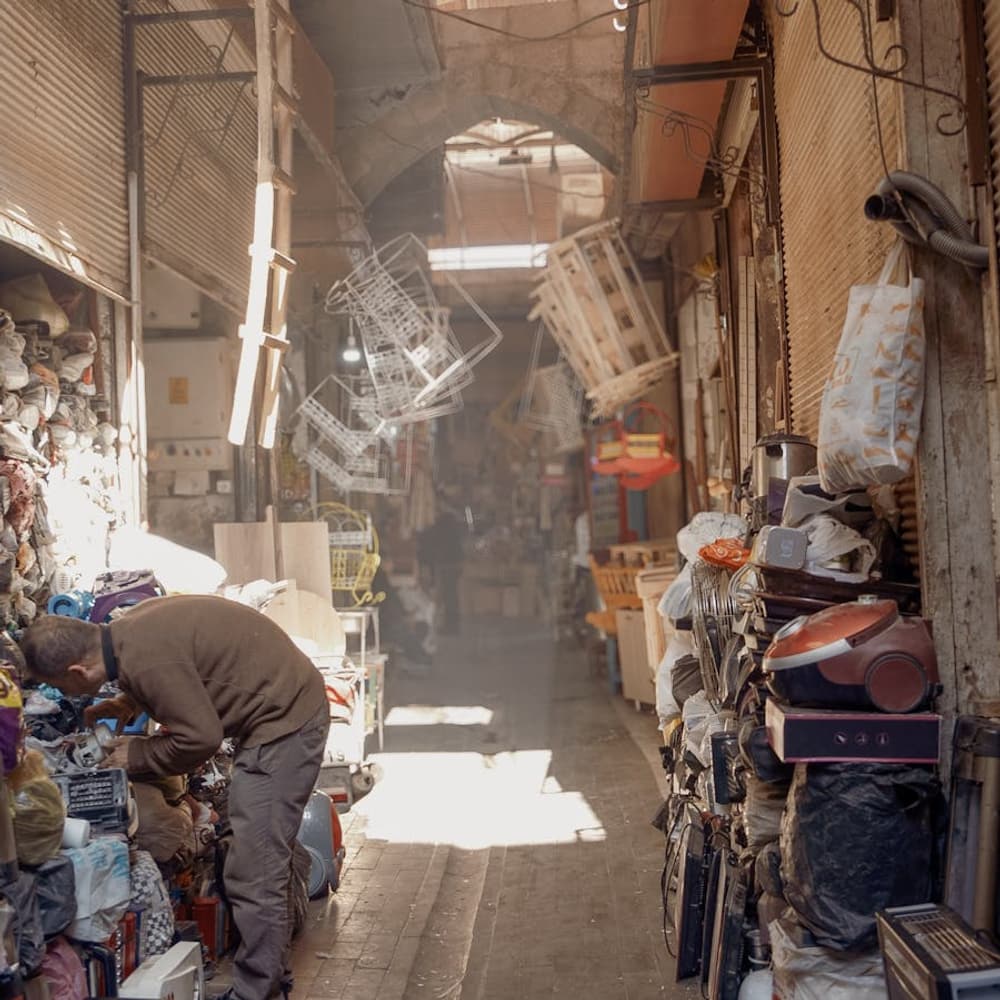
Sampling without waste
Taste when offered, buy when serious. Street portions are designed for grazing; buying one of everything creates garbage mountains by noon. Share with travel partners. Ask before photographing faces and scales—some vendors treat the lens as theft of trade secrets.
Regions where markets are the main attraction
Bangkok's Chatuchak is a city annex, yet its food alleys remain the heartbeat. In Mexico City, Mercado de San Juan rewards adventurous eaters with cheeses and ingredients you will not find in airports. La Paz markets blend Aymara ritual goods with mundane pharmacy items—a reminder that commerce carries metaphysics, not only groceries.
European covered markets look postcard-ready, but their best stalls still court pensioners who know which butcher trims properly. Follow the elderly with wheeled carts; they outperform star ratings.
Etiquette that keeps you welcome
Do not block narrow lanes for reels. Queue where locals queue. Learn numbers in the local language even if tones wander. Haggling is not universal; when prices are fixed for labor and food safety, pay fairly and move on.
Repeat visits to the same stall build rapport; one-off trophy hunting does not. Leave with ingredients, not only photos—cook that night and you will remember the vendor's hands, not the filter you used.
When tourism reshapes a market
Stalls migrate toward packaged souvenirs when rents spike. Notice who still sells bulk beans and who switched to keychains. Support vendors who source regionally year-round. Markets survive when neighbors keep shopping on rainy Tuesdays, not only when visitors arrive on sunny Saturdays.
Building a market morning into your trip
Pair the market with a simple cooking plan: one protein, one herb bundle, one unexpected condiment. Eat standing where locals eat standing. Save sit-down restaurants for dinner. You will remember the city by smell before you remember its skyline.
Security without paranoia
Crowds attract pickpockets. Use cross-body bags, split cash, and avoid flashing phones while negotiating. Most vendors are honest; reduce easy opportunities and you will relax enough to notice details that matter.
Busy stalls turn food quickly; boiling pots and grills beat lukewarm buffets. Peel fruit yourself when water quality is uncertain.
Language shortcuts
Learn numbers, how much, and delicious. Point with an open palm. Carry a notebook—vendors sketch prices when speech fails, and those sketches become souvenirs with use.
Markets as clocks
Return on a slow day to watch deliveries. School uniforms at noon and office crowds at dusk teach scheduling better than any blog timetable.
Evening versus morning energy
Morning markets sell ingredients; night markets sell appetite and neon. Visit both if you can. The same alley changes dialect after sunset.
Shipping food home
Dried spices, legumes, and sealed preserves travel well; fresh cheese and meat often do not. Ask customs rules before buying gifts. Share at home with stories about the seller, not only about your bargain.
Markets teach negotiation, but also when not to negotiate. Fixed-price produce supports farmers on thin margins. Pay fairly when rain ruined half the crop and the seller still showed up.
Putting the most fascinating street markets around the world into practice
Choose one habit for this trip: arrive earlier than tourists, eat once where workers eat, and return to the same block twice. Repetition turns novelty into pattern recognition. You will start predicting smells, queue shapes, and the hour when shopkeepers switch from selling to chatting. That predictability is not boredom—it is the moment a place lets you in.
Write three observations nightly: what surprised you, what embarrassed you, and what you would do differently tomorrow. Embarrassment is data; ignoring it wastes tuition you already paid with airfare.
Share stories at home with names and specifics, not only adjectives. Credit cooks, guides, hosts, and bus drivers by role if not by full name. Specific gratitude keeps travel ethical and memory vivid.
When you plan a return trip, support the same vendors if they still operate. Culture stays alive when return visitors act like mild relatives, not one-time consumers chasing content.
Staying curious without entitlement
Ask permission, accept no, and do not treat local patience as a product you purchased with a plane ticket. Curiosity paired with restraint is what earns second invitations—whether to a table, a rehearsal, or a market back room.
Leave online reviews that name what you learned, not only how photogenic a place was. Mention one person who helped you understand a rule or recipe. Reviews can steer future travelers toward respect or toward entitlement; choose your sentences accordingly.
When you pack for home, leave extra space for nothing—gifts are optional, but lessons should weigh nothing and still fill your carry-on habits for years ahead.