
Authentic is an overused word until you stand in a city where schoolkids still buy bread from a corner oven and retirees debate mayor candidates in a plaza that predates your country's constitution. Authentic does not mean unchanged—it means daily life is still visible between attractions.
No city owns culture like property. These places simply make it easier to participate if you travel with patience, local transit, and curiosity about ordinary hours.
What signals a culturally thick city
Mix housing, commerce, and worship on the same blocks. Public transit used by all ages. Markets that sell ingredients, not only keychains. Independent cinemas, bookshops, or community centers with posted boards. Universities that leak lectures and cheap eats into streets. Festivals announced on paper flyers, not only influencer funnels.
Cities worth building trips around
Oaxaca layers Zapotec markets, mole debates, and mezcal ethics you can learn without nightclub noise. Kyoto rewards early temple walks and evening craft alleys if you avoid costume rental crowds. Mexico City is a continent in one metro map—neighborhood tacos, museums, and son jarocho nights in different boroughs.
Valparaíso climbs hills with murals and fishermen's ceviche; Naples argues pizza in voices; Fez still routes donkeys and leather tanneries through medieval gates. Tbilisi mixes supra feasts with wine in clay jars and honest talk about borders. Hanoi teaches motorbike rhythm at dawn and pho chemistry at midnight.
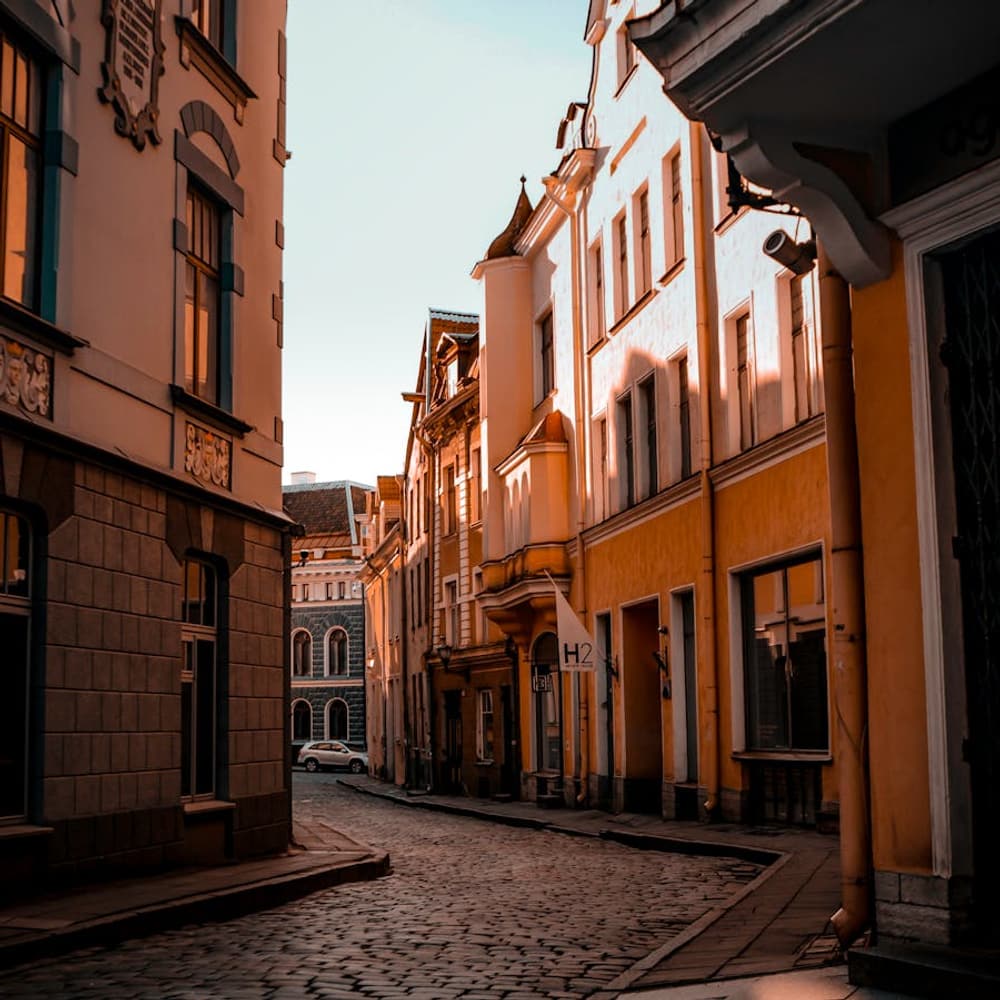
Smaller cities with outsized depth
Luang Prabang balances monastic dawn with river food. Chefchaouen and Essaouira offer Moroccan rhythm without only Marrakech intensity. Bologna feeds Italy's serious home cooks. Gyeongju reads like an open history text with bikeable distances.
How to avoid the authenticity trap
Skip tours that promise secret villages that are not secret. Eat where menus lack photos sometimes—that can mean regulars already know the dishes. Learn three local dishes by name. Ride buses once. Visit libraries and grocery aisles—culture lives between shelves too.
Responsible presence
Rising rents push artists out; your short-term rental might be part of that math. Stay in licensed guesthouses, spread spending across neighborhoods, and follow noise rules. Authentic cities survive when visitors add to maintenance, not only extraction.
Choosing your match
Pick cities aligned with your stamina: hill towns reward walkers; sprawling capitals reward transit nerds. Match climate to festival calendars. Authentic experience is a practice—show up, return to the same counter, and let the city recognize you by the third morning.
Budget slow without luxury
Slow travel can save money: weekly transit passes, grocery breakfasts, and free walking tours beat hop-on buses. Trade intercity flights for night trains when safe and rested.
Family and slow pace
Children force healthy slowness—parks, repeat playgrounds, early dinners. Seniors benefit from fewer stairs and familiar corners. Design days around energy curves, not highlight reels.
Documenting differently
Sketch one facade, record market sounds, copy a recipe by hand. Slow artifacts age better than thirty identical skyline shots.
Pick neighborhoods deliberately
Hardware stores, laundromats, and schools signal residential life. Ask guesthouses about market days and night noise before booking.
Pair cities
Capital plus regional town teaches contrast: Mexico City with Oaxaca, Tokyo with Kanazawa. Contrast clarifies what each place does differently.
Spend fairly
Tip buskers, pay artisans without penny bargaining, and spread meals across districts instead of concentrating cash on one photogenic block.
Transit as tour
Ride trams end to end once. You will see which districts fund art, which fund factories, and where teenagers actually hang out after school.
Weather and rhythm
Heat drives siesta; rain drives covered markets; snow drives early dark and long dinners. Plan cities with climate, not only with photo lists.
Talk to librarians and park rangers. They hear where residents actually go on days off.
Putting the best cities for authentic cultural experiences into practice
Choose one habit for this trip: arrive earlier than tourists, eat once where workers eat, and return to the same block twice. Repetition turns novelty into pattern recognition. You will start predicting smells, queue shapes, and the hour when shopkeepers switch from selling to chatting. That predictability is not boredom—it is the moment a place lets you in.
Write three observations nightly: what surprised you, what embarrassed you, and what you would do differently tomorrow. Embarrassment is data; ignoring it wastes tuition you already paid with airfare.
Share stories at home with names and specifics, not only adjectives. Credit cooks, guides, hosts, and bus drivers by role if not by full name. Specific gratitude keeps travel ethical and memory vivid.
When you plan a return trip, support the same vendors if they still operate. Culture stays alive when return visitors act like mild relatives, not one-time consumers chasing content.
Suburban day trips
Ride commuter rail one stop past the tourist core. Suburbs reveal school zones, hardware stores, and bakeries that never appear on landmark maps.
Staying curious without entitlement
Ask permission, accept no, and do not treat local patience as a product you purchased with a plane ticket. Curiosity paired with restraint is what earns second invitations—whether to a table, a rehearsal, or a market back room.
Leave online reviews that name what you learned, not only how photogenic a place was. Mention one person who helped you understand a rule or recipe. Reviews can steer future travelers toward respect or toward entitlement; choose your sentences accordingly.
When you pack for home, leave extra space for nothing—gifts are optional, but lessons should weigh nothing and still fill your carry-on habits for years ahead.
Putting the trip into practice
Pick one idea from this guide and test it on your next three travel days. Change one habit—how you greet, how you eat, or how long you stay in one neighborhood. Small edits compound faster than vague promises to travel better someday.
Share specifics with a friend who travels similarly: vendor names, phrases, prices, routes. Communities thrive on detail, not inspiration alone.
Building your personal travel playbook
After each trip, log cheapest win, biggest mistake, and one habit to repeat. Patterns emerge across years—seasons, airports, and neighborhoods that fit you.
Teach one tip to another traveler. Explaining forces clarity and helps you remember on tired days.