
In Oaxaca, a weaver told me the red in her huipil was not aesthetic preference but memory of cochineal trade and family lineage. She was not selling a costume; she was maintaining a library you wear. Tourists who treat traditional dress as photo props miss the grammar entirely.
Clothing carries law, spirituality, climate, and protest. Sleeves can signal mourning; hem length can signal marital status; hat brim can signal region more accurately than a map. For travelers, the goal is literacy, not ownership.
Textiles as archives
Andean ponchos vary by valley—pattern density records altitude and grazing history. Japanese kimono motifs shift with season and occasion; wearing them correctly is learned, not improvised. West African wax prints circulate designs that comment on politics and pop culture simultaneously. Scottish tartans, though romanticized, still tie clans and regional identity for many wearers.
Indigenous regalia in North America is not a festival outfit—it is sacred equipment with protocols. Ask before touching or photographing. Some elements are not for sale or imitation, full stop.
When dress becomes resistance
During colonization, banning traditional dress was a tool of control. Reviving garments is therefore political. Māori korowai cloaks at graduations, rebozo in Mexican public life, and hanbok weekends in Seoul reassert visibility. Visitors who call outfits cute without context flatten that history.
Modern hybrids
Designers fuse traditional cuts with streetwear; elders sometimes approve, sometimes do not. Notice who leads the conversation—community artisans or fast fashion warehouses copying motifs without credit or revenue sharing.
How to appreciate respectfully
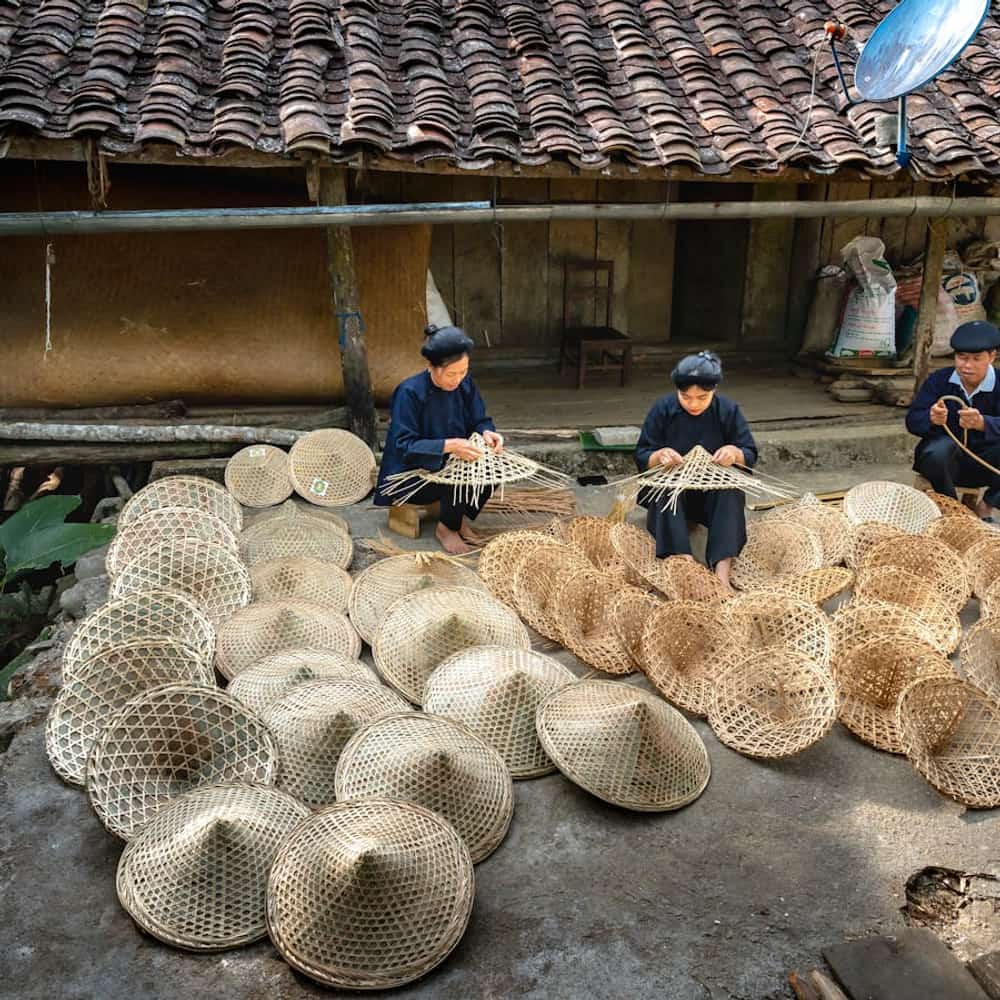
Buy from makers when possible. Learn one symbol's meaning before wearing it. Do not ask strangers to pose for free unless they are selling that service. On tours, tip cultural demonstrators fairly and ask whether photography is allowed.
At home, avoid Halloween versions of sacred garments. Support museums and cooperatives that document techniques. Credit regions and tribes by name, not vague exotic labels.
Reading clothing on the street
Uniforms tell you institutions; handmade edges tell you time investment. Head coverings may mark faith, sun protection, or both. Sandals versus boots tell you pavement and rain expectations. Watch what locals wear to markets versus weddings—you will pack better and judge less.
Travel packing after textile literacy
Bring layers that cover knees and shoulders for temples. Scarves outperform slogan tees. Neutral colors help you blend; loud patterns help you celebrate when invited. Clothing respect is cheaper than fines, stares, or closed doors—and it opens workshops where thread still teaches history hand over hand.
Gender, age, and who may wear what
Some garments mark life stages—coming-of-age, marriage, mourning—and are not interchangeable costumes for visitors. Children may wear simplified versions; elders may wear fuller regalia. Asking when a garment is appropriate costs nothing and prevents wearing celebration cloth to a grocery run.
Museums display frozen examples; streets show living rules. Watch weddings, graduations, and national holidays on local calendars if you want to see dress at full meaning rather than souvenir-shop replicas.
Workshops that teach respect
Cooperatives demonstrate dyes, loom tension, and motifs you cannot read from shop windows. Book through community centers. Ask which patterns are restricted before photographing.
Climate logic
Loose cotton in humid ports, wool layers in high deserts, oilskin near fishing docks—dress codes solve weather before they solve Instagram. Copy layering instead of buying costume heat traps.
Museums plus makers
Exhibits preserve; artisans evolve. Compare dates on museum cards with what makers say about today's trends. Living culture always negotiates with archives.
Market day dress codes
Some towns expect covered shoulders on market Sundays even when beaches are liberal. Scarves weigh little and open doors.
Photography and consent
Street fashion is not automatic consent. Ask before close-ups of embroidery that took weeks. Some patterns are sacred; some are commercial. Learn which you are looking at before you post.
Support textile museums that employ community docents. Their explanations beat audio tours recorded in capitals far away.
Putting traditional clothing styles and their cultural meanings into practice
Choose one habit for this trip: arrive earlier than tourists, eat once where workers eat, and return to the same block twice. Repetition turns novelty into pattern recognition. You will start predicting smells, queue shapes, and the hour when shopkeepers switch from selling to chatting. That predictability is not boredom—it is the moment a place lets you in.
Write three observations nightly: what surprised you, what embarrassed you, and what you would do differently tomorrow. Embarrassment is data; ignoring it wastes tuition you already paid with airfare.
Share stories at home with names and specifics, not only adjectives. Credit cooks, guides, hosts, and bus drivers by role if not by full name. Specific gratitude keeps travel ethical and memory vivid.
When you plan a return trip, support the same vendors if they still operate. Culture stays alive when return visitors act like mild relatives, not one-time consumers chasing content.
Staying curious without entitlement
Ask permission, accept no, and do not treat local patience as a product you purchased with a plane ticket. Curiosity paired with restraint is what earns second invitations—whether to a table, a rehearsal, or a market back room.
Leave online reviews that name what you learned, not only how photogenic a place was. Mention one person who helped you understand a rule or recipe. Reviews can steer future travelers toward respect or toward entitlement; choose your sentences accordingly.
When you pack for home, leave extra space for nothing—gifts are optional, but lessons should weigh nothing and still fill your carry-on habits for years ahead.
Putting the trip into practice
Pick one idea from this guide and test it on your next three travel days. Change one habit—how you greet, how you eat, or how long you stay in one neighborhood. Small edits compound faster than vague promises to travel better someday.
Share specifics with a friend who travels similarly: vendor names, phrases, prices, routes. Communities thrive on detail, not inspiration alone.
Building your personal travel playbook
After each trip, log cheapest win, biggest mistake, and one habit to repeat. Patterns emerge across years—seasons, airports, and neighborhoods that fit you.
Teach one tip to another traveler. Explaining forces clarity and helps you remember on tired days.