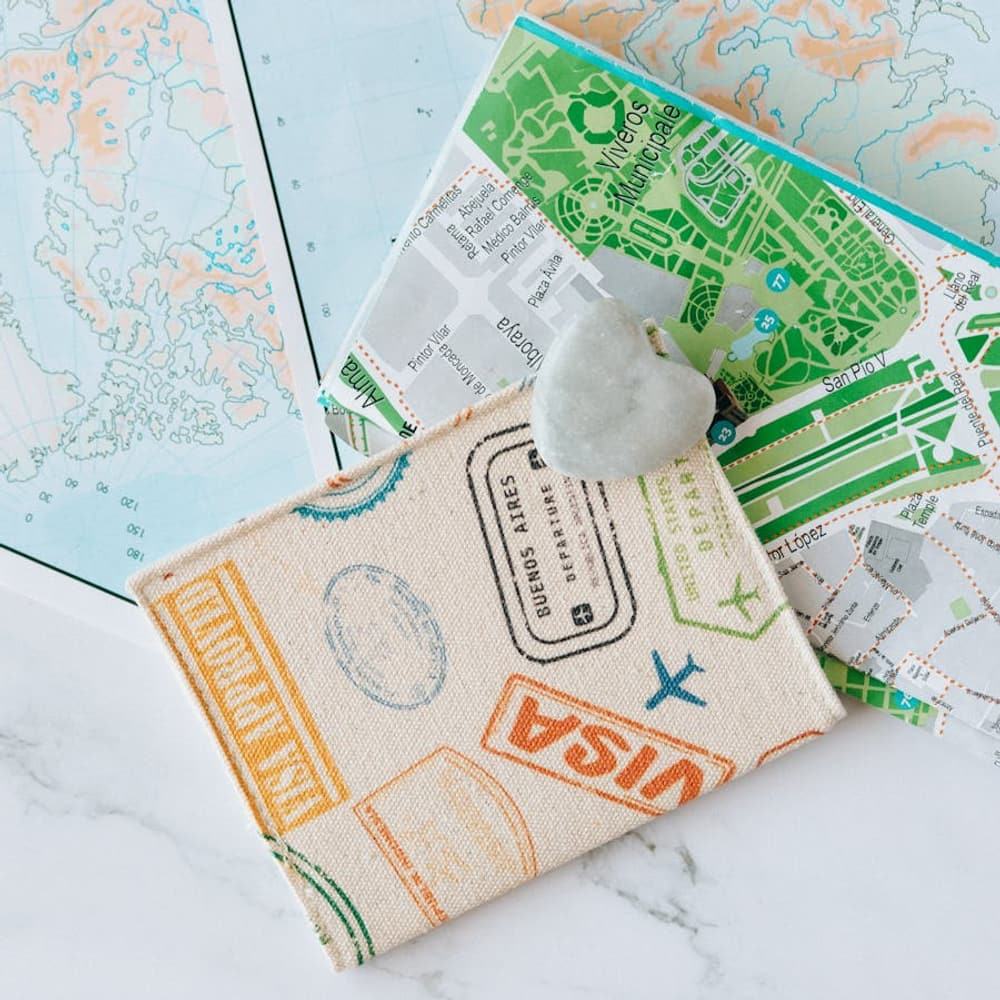
Choosing a country for your first solo trip is less about finding the most exotic stamp and more about buying yourself margin. Margin to misread a bus schedule, eat alone without performance anxiety, and sleep after a long travel day without navigating a language you cannot yet recognize. The best beginner countries feel supportive before they feel spectacular.
I see new solo travelers chase the hardest itinerary first—three countries in ten days, remote villages, night buses only locals understand. They return proud but exhausted, sometimes convinced solo travel is not for them when the problem was sequencing, not courage.
What first-timers actually need
Reliable public transit, walkable neighborhoods, accommodation density, and a baseline of English or excellent signage in tourist corridors. Affordable healthcare access matters more than cheap beer. Political stability and predictable weather reduce the mental load you will carry alone.
Social infrastructure counts: hostels with common rooms, walking tours that sell single tickets, cafés where solo diners are normal. You are not required to make friends, but optional connection prevents loneliness from becoming your whole story.
Portugal: Atlantic light and forgiving pace
Lisbon and Porto reward on foot. Trains connect coast towns. Seafood counters feed solo diners without awkward table minimums. Costs stay moderate by Western Europe standards. Shoulder seasons tame crowds while keeping terraces open.
Start with four nights in one city. Day-trip to Sintra or the Douro when rhythm feels natural, not on arrival jet lag.
Japan: precision that calms anxiety
Trains run on time. Convenience stores solve forgotten toiletries at midnight. Solo dining is culturally normal—ramen counters, izakaya seats, hotel breakfasts without group tables. Cities label exits in English; locals help when you look lost, not when you look entitled.
Buy a regional rail pass after you map two cities maximum for week one. Tokyo plus Kyoto or Osaka is enough density for a first trip.
Canada and New Zealand: space with systems
Both countries combine outdoor ambition with visitor infrastructure. Hostel networks, hop-on buses, and national park shuttles let you see nature without renting a car immediately. People speak English; medical care is straightforward for emergencies.
Winter gear or sun protection becomes non-negotiable—weather swings are the main complexity, not crime drama.
Costa Rica and Mexico: Latin America on-ramps
Filtered through tourist routes, both offer shuttles, tour desks, and lodges used to solo guests. Costa Rica skews eco-lodge and shuttle-friendly; Mexico City, Oaxaca, and Mérida deliver food, museums, and late buses with vibrant street life.
Learn basic Spanish phrases. Carry small bills. Stick to established trailheads if hiking without a guide.
Taiwan and South Korea: urban solo comfort in Asia
Taipei’s metro, night markets, and hot springs create an easy loop. Seoul blends temple calm with café districts and late-night transit. Both are safer than headlines suggest for careful travelers who use registered taxis and avoid political demonstrations.
Countries to postpone until skills compound
Not impossible—just higher stakes for trip one. Remote multi-day treks without rescue proximity, countries with heavy visa friction, or places where your language is zero and tourism infrastructure is thin. Save Sahara crossings and complex bazaars for when you trust your instincts.
Red flags that are not about bravery
No SIM or offline maps. No insurance. No one at home with your itinerary. Refusing to slow down after illness. Those are planning gaps, not character flaws.
How to pick among good options
- Flight price versus ground cost: Cheap airfare into an expensive city still hurts.
- Season: Heat and monsoon change sidewalk safety and mood.
- Time zone: Brutal jet lag shrinks your solo confidence window.
- Personal fuel: Food cities versus trail cities—honor what restores you.
Sample first-trip formula
One country, two bases, seven to ten days. Day one: walk and groceries. Day two: anchor tour or museum. Days three to six: one day trip, one slow day, repeat. Final day: pack light memories, not gifts you will regret carrying.
The best country for your first solo trip is the one that lets you practice being alone without punishing every mistake. Choose support over spectacle. Spectacle will still be there when you return—with better judgment and a passport that finally feels like yours.
Ireland and Scotland: storytelling cities with soft landings
Dublin, Edinburgh, and Galway combine English signage, compact cores, and pub culture where solo diners read newspapers without awkwardness. Weather is the main villain—pack rain layers, not fear. Bus tours fill rainy afternoons when hills are slick.
Singapore: Southeast Asia with training wheels
Strict transit, clean streets, and food courts that reward solo budgets. Use it as a first Asian stop before jumping to messier megacities. Laws are firm; research what not to bring before packing gum habits from home.
Chile and Uruguay: South America entries
Santiago and Montevideo feel manageable compared with continent-sized alternatives. Wine valleys, coastal walks, and hostels accustomed to backpackers. Learn basic Spanish; carry US dollars only as backup, not primary wallet.
Comparing safety headlines to daily life
Media amplifies rare events. Travel forums amplify one bad night. Talk to women and solo travelers who were there last month. Patterns matter: petty theft in crowds, taxi scams at airports, not entire countries worth avoiding.
Visa and entry friction
First trips go smoother when visas are e-visa or on arrival. Filling forms alone is fine; confusing entry kiosks at 1 a.m. are not. Screenshot embassy checklists before flying.
Money habits that reduce stress
Open a no-foreign-fee card. Carry two banks. Notify institutions. Keep a small USD or euro stash for emergencies. Daily ATM withdrawals beat carrying wads that make you paranoid in hostel lockers.
Your first solo country should feel like a patient teacher. Pick support, stay longer in fewer places, and let confidence compound before you chase the hardest stamp on the wall.
Final check before you book
Can you get a SIM or eSIM on arrival? Is there a women's travel forum thread from this season? Can you afford one extra night if a flight delays? Yes across the board means green light—even if the country is not the trendiest on social media.