On my third night alone in Lisbon, I ate grilled sardines at a counter bar, misunderstood half the menu, and still had one of the best meals of the year. Nobody beside me was negotiating where to go next or whether we should skip dessert to save time. I stayed until the owner brought bread without being asked. That small dinner did not change my passport—it changed how I weigh decisions when I travel.
Solo travel is not a personality test you pass by being brave enough to fly alone. It is a practice: you carry your own context, read rooms without a buffer, and notice details group trips compress into background noise. The shift people describe—seeing the world differently—is less mystical than it sounds. Your attention reallocates.
Why solo travel rewires your perspective
In a group, attention splits. Someone tracks tickets, someone scouts restaurants, someone manages mood when plans wobble. Useful—but it means fewer moments where your brain has nothing to do except watch a tram crawl uphill or listen to how a shopkeeper pronounces your attempt at thank you.
Alone, you cannot outsource observation. You become the person who notices the bakery reopening at six, the mural behind the parking lot, the way a city smells different after rain. That density of noticing is what travelers mean when they say the world feels bigger. You are not collecting more sights; you are processing them with less interference.
You become your own decision-maker
Group travel trains compromise as virtue. Solo travel trains clarity. If you want to spend four hours in one museum wing, you do. If a neighborhood feels flat, you leave without a diplomatic vote. The skill transfers home: you start asking what you actually want from a weekend instead of defaulting to whatever plan requires the least friction.

The flip side is responsibility. Missed train? Your calendar. Sketchy street at night? Your call to reroute. That accountability sharpens judgment faster than any packing list. You learn to research without spiraling, to trust gut signals, and to separate real risk from anxiety dressed up as caution.
Micro-decisions that add up
Where to sit in a café. Whether to accept a day-trip flyer. How long to linger at a viewpoint when clouds roll in. Each choice is low stakes individually; together they teach you that most travel regret comes from rushing, not from being alone.
Loneliness and solitude are not the same
Loneliness is the ache of wanting connection you do not have. Solitude is room to think without performing. Solo travel contains both, often in the same week. The difference is whether you treat alone time as failure or as material.
Evenings can feel sharp in hotel rooms after loud days. I have learned to book places with common areas when I want optional company, and to schedule one social anchor per week—a walking tour, a cooking class, a hostel dinner—so connection is chosen, not accidental. The goal is not to avoid loneliness; it is to stop confusing it with every quiet hour.
Conversations you would miss in a group
People approach solo travelers differently. A couple at the next table might not invite three strangers into a story; one traveler with an open posture often gets the local recommendation, the extra taste of something off-menu, the honest answer about which beach is overcrowded on Sundays.
You also talk to yourself less performatively. Without an audience of friends, you might admit you are tired, curious, or out of your depth—and adjust. That honesty makes you a better guest in places that reward humility over confidence theater.
Safety and planning without paranoia
Solo travel safety is mostly boring logistics done consistently: share itinerary with someone at home, keep copies of documents offline, arrive in new cities while light still helps orientation, and trust early exits from situations that feel off even if you cannot name why.
Paranoia shrinks the world; preparation expands it. Learn a few phrases. Save offline maps. Carry a small cash stash separate from your wallet. Dress down expensive jewelry in transit hubs. These habits are not fear—they are respect for the fact that you alone absorb outcomes.
Trust and intuition on the road
Your nervous system learns patterns: which taxi queues are official, which invitations are sales pitches, which alleys are lively versus empty. Solo travel accelerates that education because there is no one else to blame if you ignore it.
Budget and pace on your terms
Financial flexibility shows up quickly. You can splurge on one unforgettable dinner and balance it with street food the next three days—without negotiating someone else's priorities. You can take the slow bus because the window view matters more than saving forty minutes.
Pace becomes a creative choice. Burnout on group tours often comes from synchronized schedules. Alone, you can sleep in without guilt, or wake before sunrise because you heard the fish market is best at five. The world opens when time belongs to you.
Practical habits that make solo trips smoother
- One anchor per day: A reservation, tour, or meet-up so structure exists without filling every hour.
- Arrival ritual: Walk fifteen minutes near your stay before judging a neighborhood from a taxi window.
- Seat strategy: Bars and counters reward solo diners; book early only where tables are scarce.
- Digital hygiene: Battery bank, offline maps, and a photo of your passport stored separately from the device.
- Check-in buddy: A friend who expects a ping—not hourly surveillance, just a shared safety net.
Coming home different
The change shows up subtly. You might tolerate silence better, plan trips with fewer must-see items, or notice how often you used to defer preferences to keep group harmony. Some travelers chase solo trips annually not because they dislike people, but because recalibrating their attention feels necessary.
Seeing the world differently does not require quitting your job for a year abroad. A long weekend alone in a nearby city can surface the same lesson: your experience scales with how present you are, not how many companions validate the photos.
When solo travel is not the right tool
Some destinations and activities are safer or simply more fun with company—remote treks with limited rescue access, heavy nightlife districts where paired navigation helps, or trips built around shared celebrations. Choosing solo is strategic, not moral.
If you are fleeing problems at home without support systems, solo travel can amplify stress instead of clarity. Pair ambition with preparation: skills, insurance, and honest self-assessment about energy and risk.
Starting small still counts
Try a solo night in a city you know before a solo month in one you do not. Carry the lessons forward: slower mornings, sharper noticing, and conversations you would have walked past when someone else held the map.
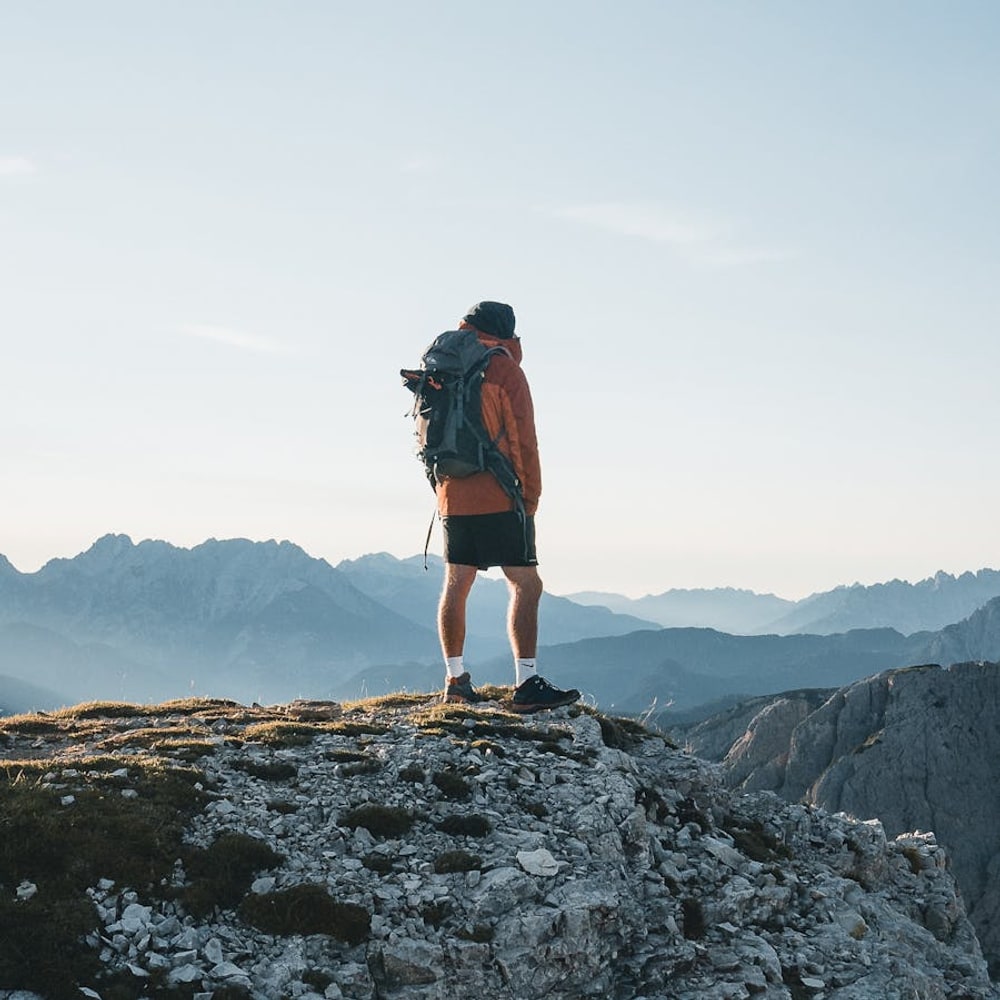
Solo travel changes how you see the world because it changes what you must see for yourself—street signs, social cues, your own limits, and the quiet reward of a day that unfolded exactly at your pace. The view from the summit or the train window is the photograph. The shift is what you do with the silence on either side of it.