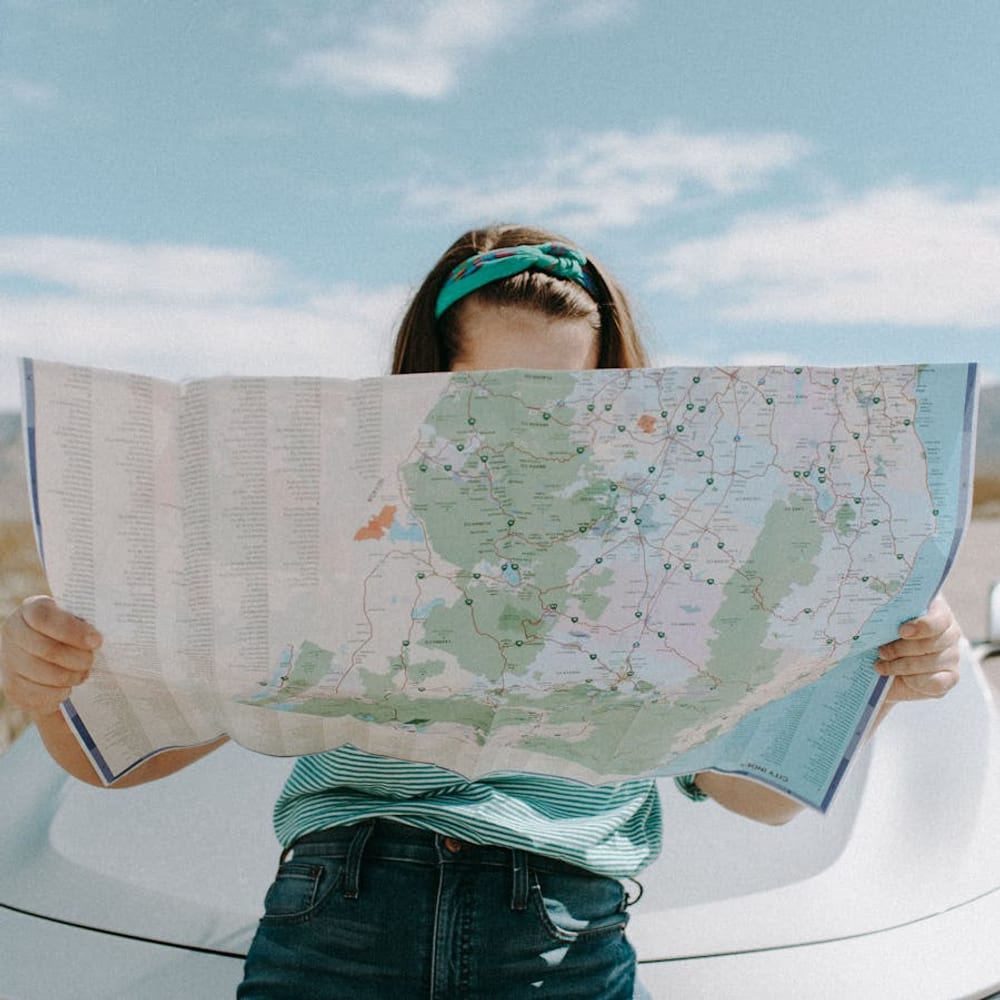
Safety advice for solo travelers often arrives as fear dressed up as wisdom: do not go out after dark, avoid entire countries, trust no one. That counsel protects egos more than bodies. Real safety is narrower—repeatable habits that shrink predictable risks while keeping the trip alive.
I have taken wrong buses, walked into empty alleys, and accepted drinks I should have declined. I have also spent months alone in cities media calls dangerous without incident because preparation—not luck—did the heavy lifting.
Safety is risk management, not zero risk
You cannot eliminate uncertainty abroad. You can reduce theft windows, isolation traps, and medical delays. Solo travel amplifies outcomes: there is no friend to split vigilance or call help if you faint on a tram.
Your goal is proportion. Research neighborhood patterns, then live normally inside them—cafés with families, lit routes, registered taxis—not ghost through cities expecting assault at every corner.
Before you land: boring paperwork that matters
Share itinerary with someone who will notice silence. Photograph passport and insurance cards; store offline. Register with your embassy if your government offers it. Save local emergency numbers and hospital names near your stay.
Travel insurance with medical evacuation is not optional on remote routes. Read exclusions—adventure sports clauses surprise people on hiking trips.
Arrival windows and ground transport
Land while you can still walk your neighborhood in daylight. Pre-download offline maps. Use official airport taxi desks or rideshare with plate verification—not random curbside offers after red-eye flights.
On night arrivals, pay for the hotel shuttle even if it feels expensive. Saving twenty dollars is not worth learning a bus system in the dark with jet lag.
Street awareness without hypervigilance
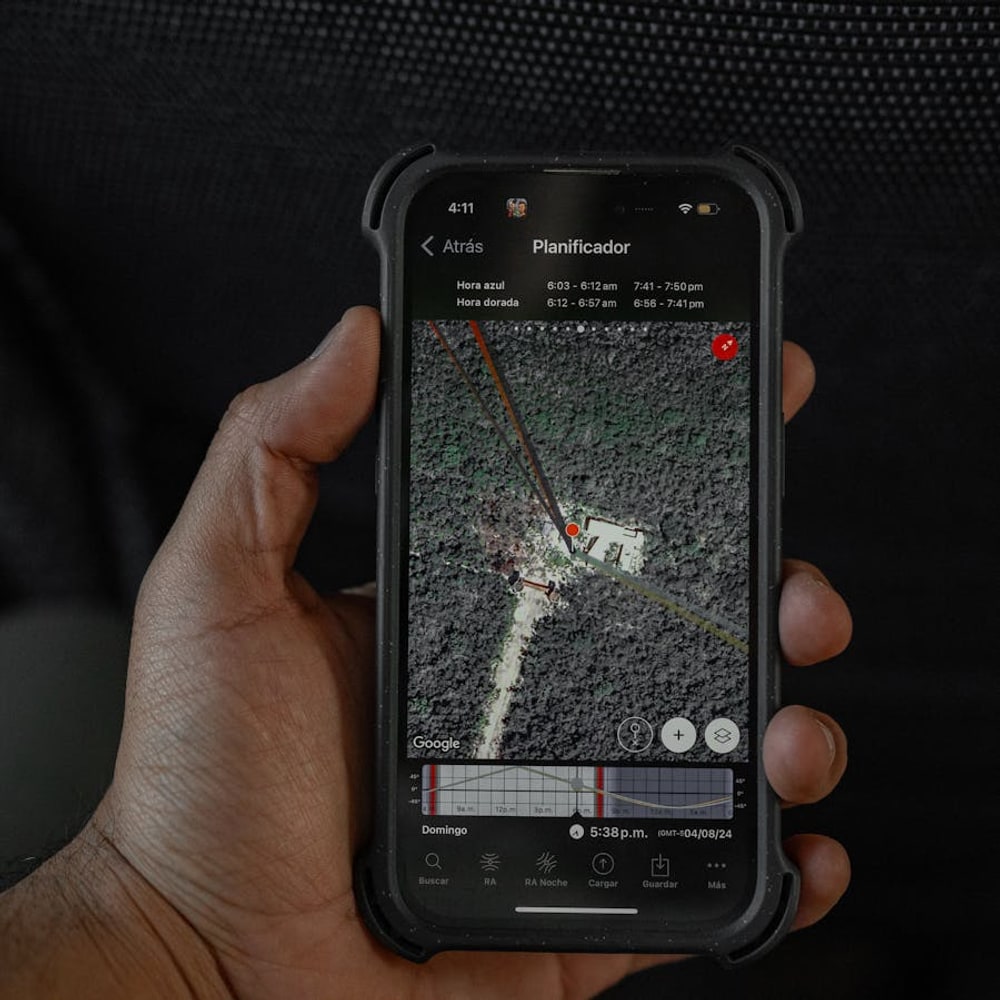
Phone maps are tools; tunnel vision on screens signals opportunity. Pause in doorways to orient. Wear crossbody bags forward on crowded transit. Split cash and cards—never one wallet with everything.
Alcohol shifts judgment faster when you are alone. Set drink limits before the second round. Watch pours. Decline unwatched glasses if a situation feels performative.
Trusting intuition
Exit early when a street empties oddly, a follower persists, or an invitation requires immediate isolation. You do not owe politeness to risk. Apologize later if you were wrong.
Lodging checks that take five minutes
Confirm deadbolts, window locks, and fire exits. Avoid ground-floor rooms with street-facing windows in party districts. Use door wedges in older guesthouses if reviews mention thefts.
Hostels: lock bags to frames, use lockers for passports, sleep with phone charged near head level. Private rooms are worth cost if shared dorms spike your anxiety.
Scams aimed at solo travelers
Friendship bracelets, closed attractions, fake officials, and overly helpful strangers at ATMs recycle globally. Slow down. Step inside banks or shops to recalibrate. Never withdraw cash while someone hovers with advice.
Health and medication
Carry copies of prescriptions. Know generic names abroad. Hydration and sleep deprivation mimic danger—fix basics before assuming cities are hostile.
Gender-specific realities without fear campaigns
Women solo travelers face harassment more often than violence. Dress contextually—not to blame, to blend. Sit near drivers on night buses. Share ride details with friends. Firm no is a complete sentence.
Men solo travelers still get targeted for watches, phones, and drunk-night robberies. Confidence theater attracts attention; calm efficiency does not.
Digital safety
- VPN on public Wi-Fi for banking, not for bragging online.
- Location sharing with one trusted contact, timed check-ins.
- AirTags or tiles in bags—useful, not substitutes for awareness.
- Social posts delayed so live location is not broadcast.
When things go wrong
Report theft for insurance. Visit consulates for lost passports. File police reports where required—even annoying paperwork speeds replacements.
Solo does not mean unsupported. Embassies, hotel staff, and hospital triage exist. Ask twice. Accept help from institutions before strangers who demand isolation.
Building a personal safety routine
Morning: charge devices, note day route. Afternoon: water and shade. Evening: text check-in, taxi home on unfamiliar legs. Repeat until automatic.
Staying safe while traveling alone is not about hiding. It is about staying present enough to enjoy the day and disciplined enough to get home with stories, not emergencies.
Food and drink situational awareness
Eat where turnover is high. Watch seals on bottled water in regions where refills happen. Moderate alcohol on empty stomachs in altitude. Solo nausea in a hostel is miserable without a friend to fetch ginger ale.
Night movement without fear paralysis
Well-lit main streets often beat dark shortcuts. Walk with purpose. Fake a phone call if someone persists. Enter shops, not alleys, to reset. In cities with women-only train cars, use them during rush hour when offered.
Adventure activities and guides
Diving, trekking, and motorbike rentals multiply risk alone. Verify licenses, insurance, and reviews mentioning solo travelers. Pay for registered guides in surf zones with rip currents or wildlife rules you do not know yet.
Insurance claims reality
Photograph gear serials before departure. File police reports within required windows. Save receipts for replacements. Insurance is boring until it funds a stolen phone that held your boarding pass.
Cultural respect as safety tool
Dress codes near temples, modest neighborhoods, and conservative regions reduce unwanted attention. Learning thank you and please lowers friction. Respect is not submission—it is signaling you read the room.
After a scare: reset without quitting
Many solo travelers face one bad hour—a grab, a creep, a near miss. Talk to someone trusted. Adjust habits. Do not let one incident rewrite entire continents as off limits unless data supports it.
Safety skills compound like language skills. Your second solo trip will feel calmer not because the world changed, but because you learned to read it with quieter noise in your head.
Teaching someone else what you learned
Explain your check-in buddy system to a friend before they fly solo. Teaching locks habits. You become the calm voice you once needed at the hostel desk at midnight.
One-page safety sheet to laminate
Emergency contacts, insurance phone, embassy address, blood type if relevant, and phrase card. Laminate at home. Clip inside daybag. Boring preparation is what professionals call adventure.