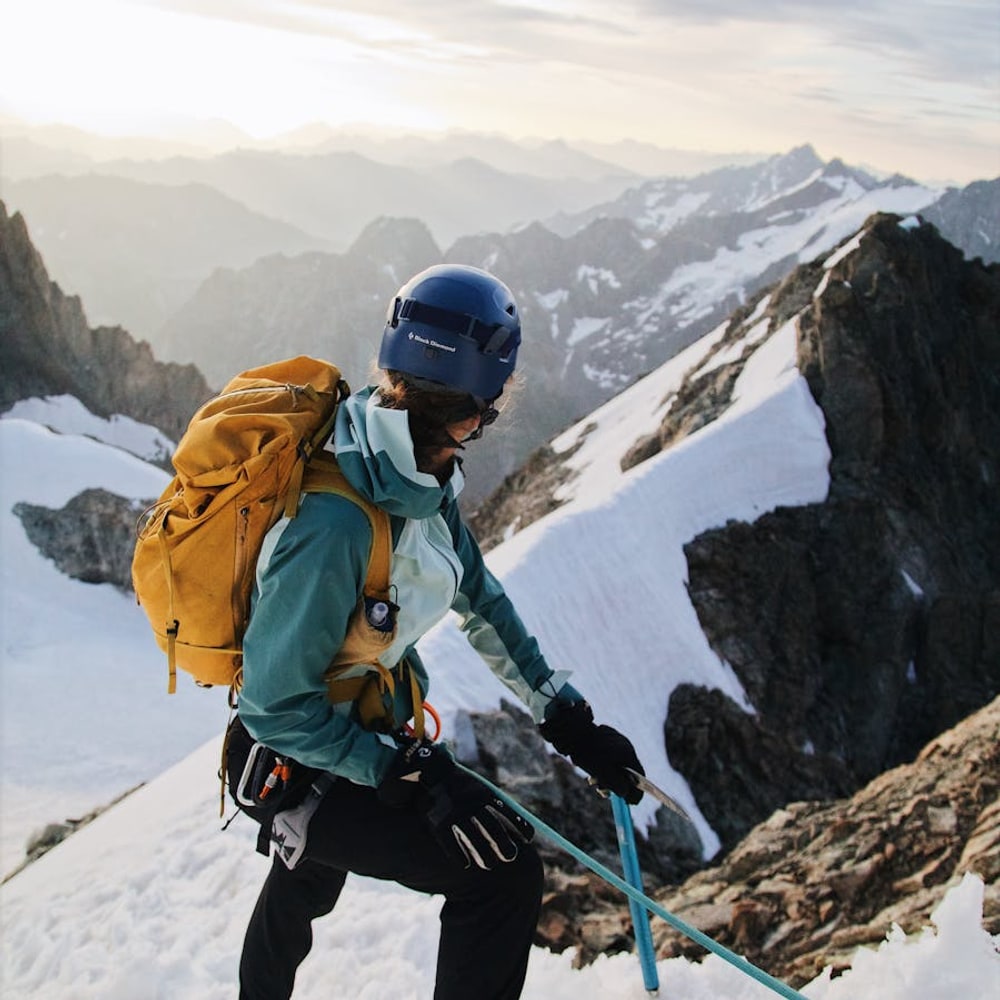
Freedom on the road is often photographed as empty beaches and open roads. The less marketable half is standing in a subway car at rush hour, tired, wondering if you should have invited someone. Solo travel is both images—often in the same week.
Understanding the trade helps you pack realistic expectations. You are not signing up for endless bliss or endless danger. You are signing up to own outcomes.
Freedom: pace without committee
Museums until closing. Street food twice in one day. Skipping the famous church because you prefer a bookstore. No one negotiates mood or budget mid-afternoon. Time becomes elastic.
That elasticity heals burnout from jobs where calendars belong to other people. You remember what curiosity feels like when it is not scheduled around group consensus.
Freedom: identity without audience
At home you are parent, colleague, reliable friend. Abroad you are a person ordering coffee in imperfect grammar. Roles loosen. You experiment—clothes, routes, silence—without witnesses who anchor you to old stories.
Some travelers discover preferences they suppressed to keep group harmony: early mornings, vegetarian meals, museums over bars. Solo travel returns data about yourself, not only about places.

Challenge: every decision is yours
Missed train, wrong hostel, food poisoning—no one to split blame or solve logistics while you lie down. Responsibility sharpens you, but it can feel heavy at 2 a.m. when front desks are tired too.
Build systems: offline maps, backup lodging lists, travel insurance you actually read. Systems turn solo weight into process.
Challenge: loneliness spikes
Not constant—but real at holidays, birthdays, or after exceptional days with no one to debrief. Screens help briefly; they do not replace shoulder bumps and shared laughter.
Schedule optional connection without filling every hour. Choose hostels with living rooms, not just bunk beds. Message friends with specifics—what you ate, what surprised you—not performative loneliness posts.
Challenge: cost structure shifts
No splitting taxis, rooms, or platters. Solo rooms cost more per person than doubles. Cooking occasionally, lunch as main meal, and public transit rebalance math without killing joy.
Challenge: safety attention tax
You monitor bags, routes, and exits continuously. Groups share vigilance; solo travelers run background processes all day. Sleep and food quality lower that tax—exhaustion makes everything feel riskier.
Challenge: photography and memory
Asking strangers for photos is awkward. Some travelers over-buy souvenirs to prove they were there. Journaling and voice memos fill gaps better than staged selfies alone in crowds.
Why both sides matter
Freedom without challenge would be vacation ads. Challenge without freedom would be commuting. Growth lives in the tension: you learn you can carry difficulty and still choose the next border.
Balancing the scale on long trips
- Weekly rhythm: Two social days, two slow days, three mixed.
- Spending rules: Splurge on safety and sleep; save on duplicates.
- Emotional honesty: Name loneliness; do not romanticize every hour.
- Return plan: Decompress before diving into old obligations.
When freedom outweighs challenges
Usually after competence compounds—navigation feels automatic, greetings flow, you trust recovery skills. Early days skew challenging; week two often opens.
When to invite company briefly
Multi-day hikes, celebratory dinners, or cities where paired safety is wiser. Borrowing company for a segment does not erase solo identity—it refreshes it.
Coming home with integrated lessons
Freedom teaches agency: your calendar can belong to you more often. Challenges teach compassion: for other solo travelers, for past you who overpacked, for friends who need check-ins without judgment.
Traveling alone is not a single mood. It is a dialogue between open road and closed door nights. Pack for both. Celebrate both. The freedom is real—and so is the weight. Carrying both is the point.
Freedom in food and routine
You eat when hungry, not when a group agrees. Market mornings become yours. Repeat the same bakery three days if it comforts you. Routine is not failure—it stabilizes long trips.
Challenge of being the default photographer
You appear in fewer photos. Trade with other travelers: one shot each at viewpoints. Buy a small tripod if memories matter. Otherwise accept that some beauty stays eye-only, which can be gift-like.
Freedom to leave
Bad tours, dull towns, toxic hostel vibes—you can exit without group votes. That power saves days. Use it kindly: cancel with notice, tip fairly, do not ghost bookings.
Challenge of celebrating alone
Birthdays abroad can sting. Book something kind—a massage, a nice dinner, a video call home. Do not pretend milestones are meaningless; mark them simply.
Long trips versus weekend solos
Weekends feel like highlight reels. Months reveal rhythm—laundry, budgeting, homesickness waves. Pack emotional tools for long arcs: books, podcasts, one weekly ritual.
Integrating freedom at home
Many return unable to tolerate constant group noise. Protect solo walks, solo lunches, solo Sundays. The trip ends; the skill of enjoying your own company does not have to.
Freedom and challenge are partners, not opponents. Solo travel teaches you to hold both in the same day—mountain morning, lonely evening, and the quiet pride of knowing you navigated both without needing permission to try again tomorrow.
Quiet victories nobody photographs
Fixing a SIM card alone. Negotiating a refund politely. Finding the right bus without panic. Those wins build a quiet confidence group travel rarely tests.
Financial freedom versus solo surcharges
You choose when to splurge without debate. You also pay alone for doubles and tours priced per couple. Track tradeoffs weekly so freedom does not become credit card fear by day twelve.
Environmental freedom
Change plans when smoke from wildfires fills valleys or floods close trains. Groups negotiate; you pivot. That agility is underrated joy—follow weather and instinct when data supports it.
Storytelling when you return
Friends want highlights; you have texture. Practice one funny mistake story and one meaningful person story. It helps them understand solo travel was work and wonder, not just bravery theater.
Journal prompts that help
What felt free today? What felt heavy? What would I do differently tomorrow? Three lines nightly beat a novel you will never write. Patterns show faster than memory.
Seasons that change the balance
Winter short days can spike loneliness; summer festivals can spike overstimulation. Pack for the emotional season, not only the weather forecast.
Solo travel and relationships at home
Partners and family may project fear onto your plans. Share concrete habits—check-ins, insurance, neighborhoods—not arguments about courage. Clear communication reduces guilt on both sides.