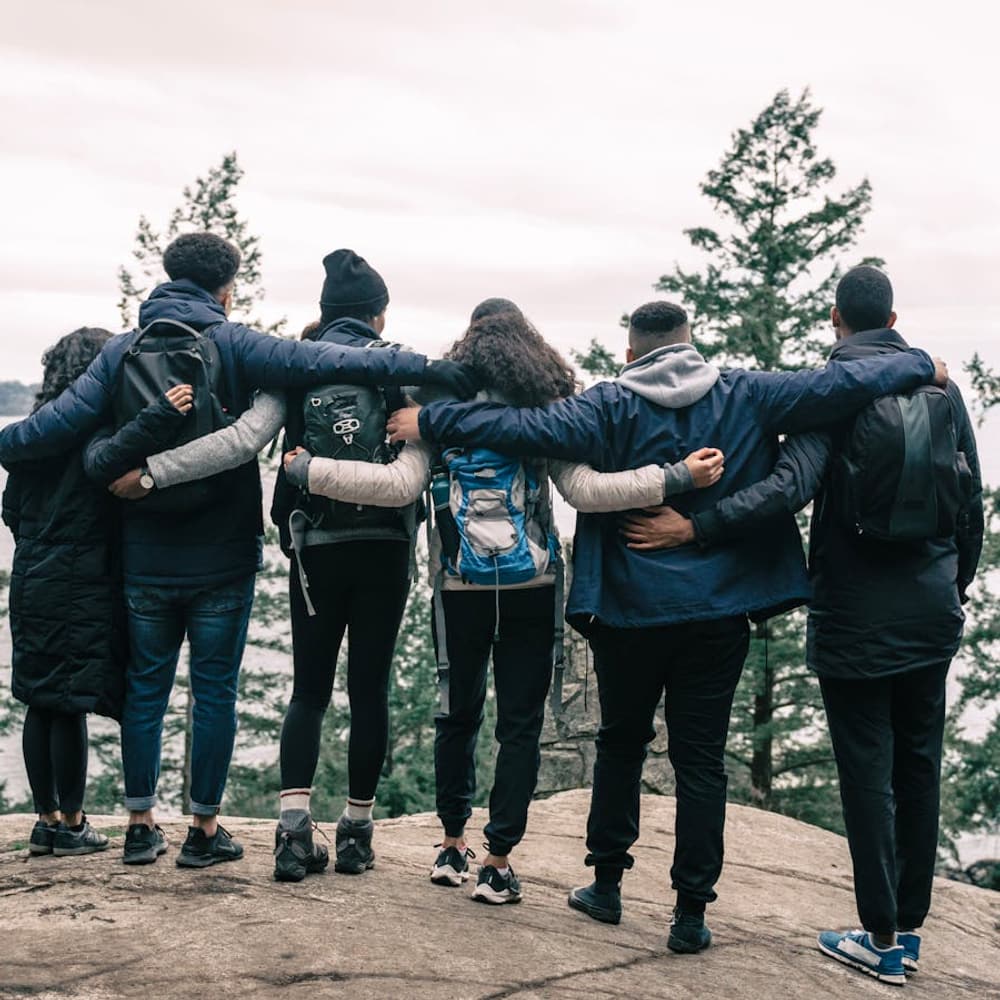
My best travel friendship started because I asked a woman in a hostel kitchen whether the stove knob was broken or just shy. We cooked pasta badly, laughed, and ended up sharing a ferry the next week. I was not charismatic—I was available, slightly helpful, and willing to sound foolish in a shared space.
Meeting people while traveling solo is a skill, not a personality lottery. Introverts make deep connections; extroverts sometimes collect business cards nobody texts. The difference is choosing contexts where repetition and kindness do the work, not forced networking.
Why solo travelers actually have an advantage
Groups look closed from outside. One person with open body language signals room. Hostel staff invite solos to pub crawls. Tour guides notice who is alone and pair you thoughtfully. You are movable—join a day hike, leave after lunch, no group politics.
The goal is not a crowd. It is two or three real conversations that change your route or your memory of a city.
Hostels: common rooms beat bunk proximity
Book places with kitchens, roof terraces, or book exchanges. Hang out there during tea hours—not only at midnight when everyone is exhausted. Bring a deck of cards or a paperback; props invite questions.
Private rooms still work: join hostel events without sleeping in dorms. Many properties sell single tickets to dinners and walking tours.
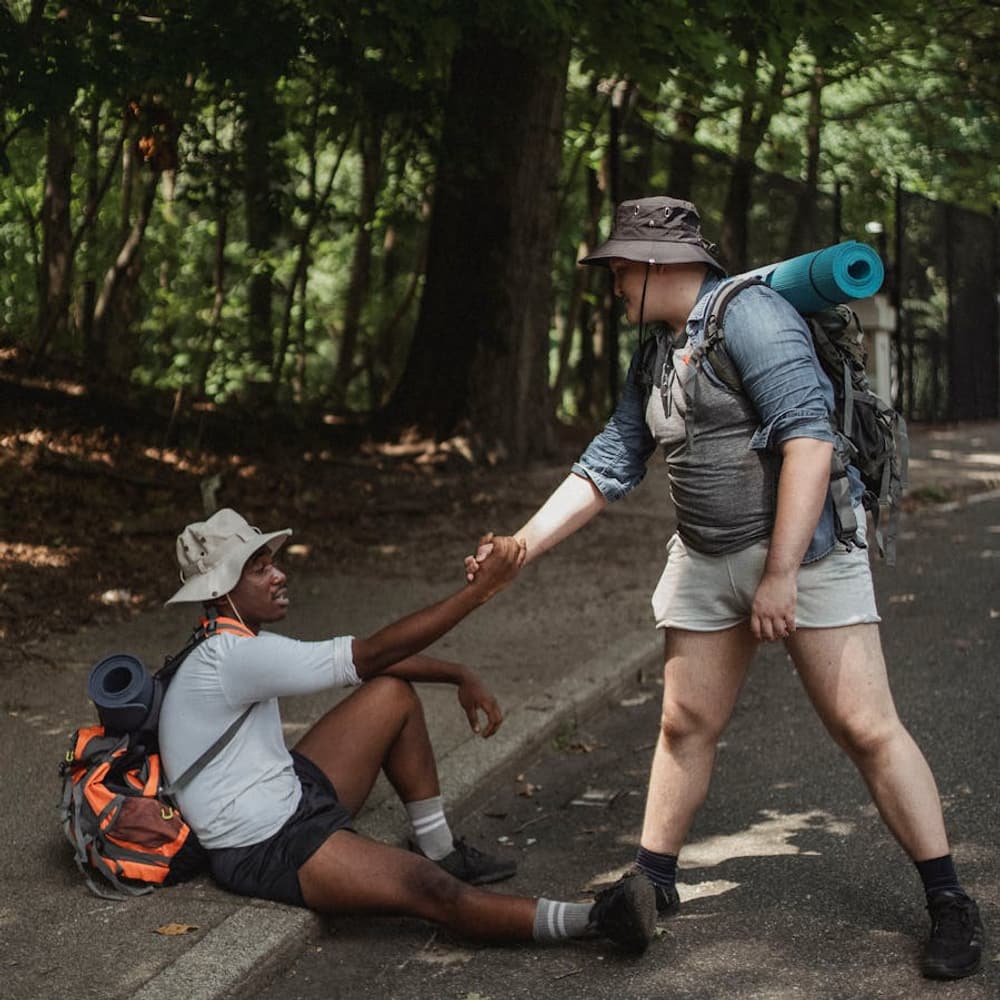
Walking tours and classes: structured icebreakers
Free tip-based tours cluster strangers with shared curiosity. Cooking classes, language swaps, and pottery afternoons give you tasks besides small talk. Ask one specific question: favorite neighborhood lunch, not where are you from on repeat loop.
Repeat the same café or market stall
Day three, the barista remembers your order. Day four, another regular comments on the rain. Familiarity breeds conversation without apps.
Apps and online groups: use with boundaries
Meetup events, travel forums, and hostel apps help in mid-size cities. Meet in public places. Share plans with someone at home. Decline pressure to move to private locations on night one. Apps start threads; cafés finish trust.
Conversation habits that feel human
Listen for places, not pedigrees. Offer one useful tip from yesterday—bus number, bakery hour. Avoid interrogation lists. Exit gracefully: I have an early train beats ghosting.
Do not perform tragedy or wealth to bond. Authenticity beats drama.
When not to push connection
Some days you need silence. Some cultures keep stranger chat minimal. Read cues: headphones on, closed posture, one-word answers. Loneliness is not solved by collecting names—you want reciprocity.
Safety while staying open
- Public first: Parks, hostel lounges, tour meet points.
- Share location with a friend when trying new friend plans.
- Trust slow: Split bills, not passports.
- Sobriety edge: Alcohol speeds intimacy and risk together.
From hello to real friendship
Exchange one platform you actually check. Send one photo of something you discussed. Suggest a specific meet if paths overlap—Tuesday market, not someday. Many travel friendships stay seasonal and precious that way.
Solo but not isolated
Carry a book, but look up at doors. Say yes to one event per city. Cook once in a shared kitchen. Ask one practical question daily. Meeting people while traveling solo is mostly about showing up where kindness already lives—and letting it find you without auditioning for interesting.
Language barriers as bridges
Phrase cards, translation apps, and laughing at mistakes invite help. Locals correct you; travelers bond over shared confusion. Perfect grammar is not required for perfect afternoon company.
Volunteering and slow stays
Two-week volunteer stints or work-exchange weeks build depth impossible on three-day hops. Choose ethical programs with transparent fees and local leadership. Showing up on time matters more than inspirational captions.
Digital nomad coworking days
Day passes put you beside people with routines. Lunch breaks become low-stakes chats. Bring headphones for focus, remove them for five minutes when someone asks about power outlets.
Meeting people is not a contest. One good conversation per trip is success. Two is abundance. Solo travel stays solo by choice—but the door can stay unlocked.
Markets, museums, and shared tables
Food markets let you comment on fruit quality to vendors—low-stakes chat. Museums host guided tours where questions bond strangers. Communal hostel dinners rotate seats; help pass bread. Small kindness scales.
Avoiding performative extroversion
You do not owe anyone a party personality. Quiet travelers meet people through competence—fixing a locker, translating a sign, sharing outlet adapters. Competence attracts calmer friendships than loud stories.
Follow-up after the trip
Message within a week with one specific memory. Friendships fade without maintenance—send article links, birthday notes, plan reunions in third cities. Travel friends can become life friends with light tending.
Sports and activity partners
Climbing gyms, dive shops, and surf schools pair you with instructors or groups by default. Skill-based bonding beats bar bonding for many introverts. Book beginner lessons even if experienced—labels start conversations.
Religious and cultural gatherings
Services, festivals, and community meals welcome respectful visitors. Dress appropriately. Ask hosts about customs. Shared ritual builds trust faster than nightclub noise.
Reading body language as a solo traveler
Open torso, unhurried sip, book face-up invite comments. Closed arms and laptop fortress signal privacy—honor it in others too. Meeting people is reciprocal signaling, not chasing.
Seasonal and festival openings
Harvest fairs, religious processions, and street concerts gather crowds where chatting feels natural. Comment on music, not appearance. Festivals reward curiosity without pickup lines.
Quality over quantity checklist
One meaningful dinner beats ten hostel bar nights. One walking tour with questions beats three pub crawls. Solo travelers who meet people well often leave cities with two names saved, not thirty forgotten.
Your first week action plan
Day one: walking tour. Day two: kitchen conversation. Day three: class or market stall repeat visit. Day four: rest. Day five: optional app event. By day six you will have signals who feels safe and interesting. Adjust from data, not anxiety. Meeting people while traveling solo is a craft you refine each city—patience plus presence beats charisma every time.