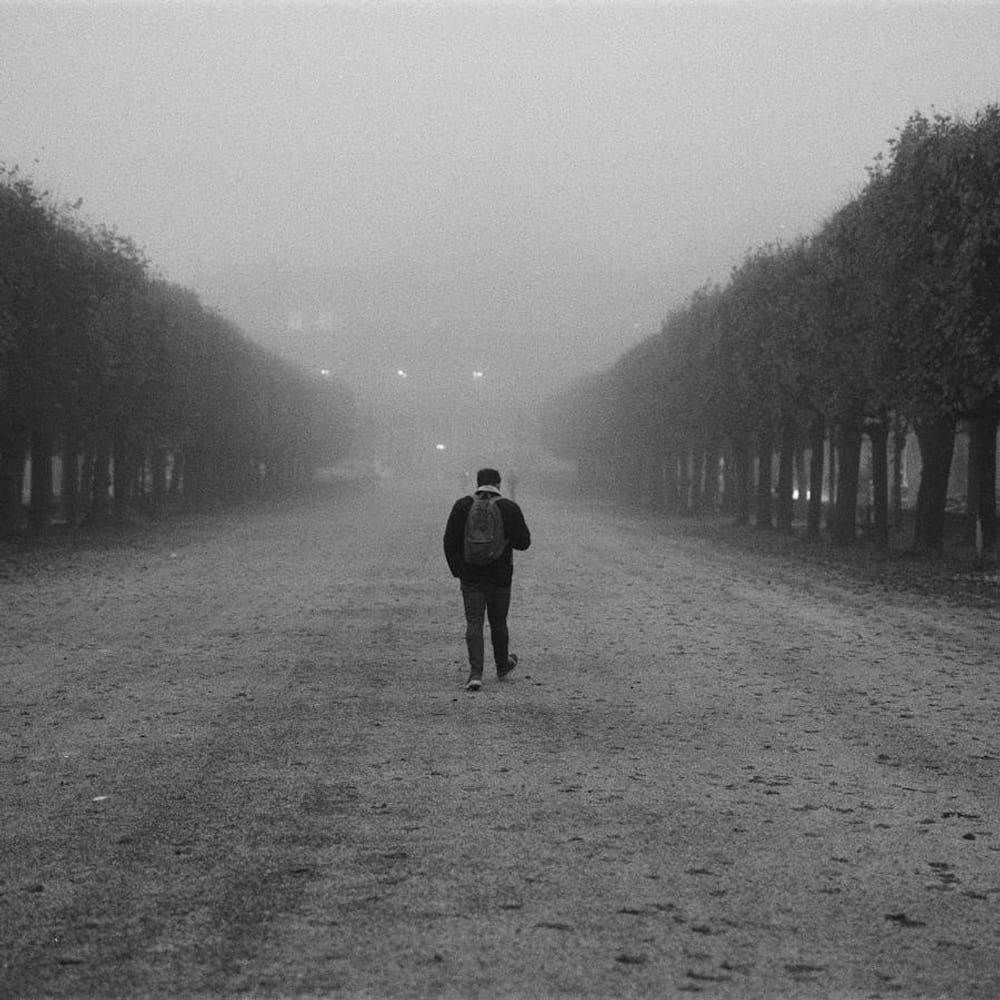
Backpacking alone is not hiking minus friends. It is logistics you own end to end: weight on your shoulders, money leaving your wallet alone, and nobody to split blame when you miss the last ferry. It is also why many travelers call it the purest version of the road—every choice visible, every mistake educational.
This guide assumes multi-week travel on one main pack, hostels and guesthouses, public transit, and regions where backpacking infrastructure exists. Ultralight thru-hiking has overlap, but different math.
Pack weight: the budget you feel in your knees
Aim for a base weight you can lift onto a top bunk without drama. Lay everything out; cut duplicates. One soap. One towel if quick-dry. Three pairs socks rotation. Layers beat bulky single-purpose clothes.
Keep passport, meds, and one card in a daypack that never leaves your body in transit. Main bag locks to hostel frames, not hope.
Route design for solo pacing
Two bases per week maximum early on. Book first night only, then adjust. Shoulder seasons save money and hostel beds. Avoid chaining twelve-hour buses unless you enjoy zombie sightseeing.
Daily anchor plus margin
One ticketed activity or highlight, then unstructured hours. Backpacking burns out when every day is a checklist.
Money: daily burn and hidden leaks
Track categories: sleep, move, eat, play. ATM fees add up—withdraw smarter amounts less often. Kitchen hostels cut food costs. Lunch as main meal saves cash in Europe and Latin America.
Emergency buffer: three to five extra days of expenses in a separate account. Solo, you cannot borrow cash from a partner when trains strike.
Sleep: hostels, guesthouses, occasional splurge
Read recent reviews for noise, lockers, and staff night coverage. Earplugs and eye mask are cheap insurance. Splurge private room when sick or after three dorm nights if sleep fuels safety.
Health and hygiene on the road
Blisters treated early. Water purification where taps lie. Hand sanitizer before street food—not paranoia, rhythm. Travel insurance with evacuation for remote legs.
Navigation and offline tools
Download maps before border crossings. Screenshot hostel addresses in local script. Paper backup for dead batteries. Compass app is backup, not religion—still learn cardinal directions.
Safety habits specific to backpackers
Arrive daylight. Share itinerary weekly. Trust exits from weird vibes. Do not hike alone without telling desk staff route and return window. Bear spray where bears exist; knowledge where scams exist.
Laundry, gear repair, and morale
Wash small often. Duct tape, needle, zip ties. Morale dips around week three—plan a rest town with café and movie, not another border sprint.
Sample two-week solo backpacking arc
- Days 1–3: One city, walking, groceries, early bed.
- Days 4–6: Second base, one hike or cultural day trip.
- Days 7–8: Slow days, laundry, journal.
- Days 9–12: Move north or inland, repeat pattern.
- Days 13–14: Return hub, buffer flight stress.
Packing list philosophy
If you have not used it by day ten, mail it home or donate. If you used it twice, protect it. Backpacking teaches inventory honesty faster than any spreadsheet.
Border and document rhythm
Keep passport dry bag. Photocopies offline. Know visa days remaining. Solo queues move fast—use that time to reorganize bag tops, not scroll anxiety feeds.
When to pair up temporarily
Join others for expensive tours, remote treks, or split taxis. Backpacking alone stays flexible if you borrow company without merging identities.
The ultimate solo backpacking guide ends simply: carry less than you think, stay longer than Instagram suggests, and let your feet vote on the next town. The road rewards walkers who listen.
Gear that earns its grams
Quick-dry towel, headlamp, zip pouches, laundry bag, universal plug with USB ports. Skip duplicate jeans. Rain shell beats umbrella on windy ridges. Test pack on neighborhood walk before airport.
Seasonal and regional notes
Southeast Asia: monsoon flexibility, mosquito plan. Europe: rail passes versus point tickets—calculate. South America: altitude acclimatization days. Each region punishes different packing sins—research that list, not generic top ten.
Ethics on the backpacker trail
Respect local housing pressure—some cities limit short-term rentals. Tip fairly. Do not haggle pennies from artisans. Leave trails cleaner. Backpacking scale can harm places if volume ignores context.
Transitioning home
Re-entry shock is real. Decompress before big life decisions. Keep one travel habit—weekly walk, simpler wardrobe. Backpacking teaches enough; you do not need to live out of a bag forever to keep the lesson.
Water, food, and street eating
Know when to refuse ice, when peel matters, when busy stalls mean turnover. Solo food poisoning is miserable—carry oral rehydration salts. Allergies translated on cards prevent drama.
Working while backpacking
Coworking day passes, cafe Wi-Fi ethics, VPN for work email. Balance laptop mornings with afternoon exploration. Burnout happens if every hostel night is a deadline crunch.
Photography without blocking trails
Step aside for locals. Tripods on narrow paths annoy. Backpacking memories need not be content farms—shoot pull-offs, not crowds.
Border crossings alone
Queue patience, document bag ready, calm tone with officers. Know prohibited goods. One border per day reduces stress. Night buses across borders save daylight sightseeing but test sleep—choose consciously.
Footwear and joint care
Rotate shoes if possible. Tape hot spots early. Trekking poles on long downhills save knees. Backpacking ends trips early when feet lose—prioritize foot care like passport care.
Putting the guide on the trail
Week one: lighter bag, one country, two towns. Week two: evaluate weight, donate extras, add one social anchor. Week three: optional guided hike if rules require. Solo backpacking succeeds when systems beat heroics—maps offline, cash split, body rested, curiosity before ego. The ultimate solo backpacking guide is not gear—it is listening to your body before the trail teaches the hard way.