
Hostel common rooms look different than a decade ago. More thirty-somethings at laptop tables. More parents on off-season weeks. More people who say they chose solo, not that they ended up alone. The shift is structural—not a fad about bravery posts.
Why more people are choosing solo adventures mixes economics, remote work, changing relationships, and a quiet rebellion against waiting for the perfect travel partner who never materializes.
Flexibility won the calendar war
Group trips die in group chats. Dates slip. Budgets clash. Someone’s parent gets sick. Solo travelers book when flights dip and leave when projects end. Remote workers stretch trips across shoulder seasons. The freedom is logistical first, emotional second.
Remote work untethered the weekend myth
If you can work from anywhere with Wi-Fi, a two-week vacation becomes a month with mornings for email and afternoons for museums. Coliving spaces and hostel desks sell single desks. Solo no longer means career break—it means laptop plus passport.
Demographics: who is actually going alone
Women solo travel growth is the loudest data line—but not the only one. Empty nesters, recently divorced adults, graduates delaying marriage, and retirees with pensions all show up. Solo is spreading across ages because infrastructure followed demand: single supplements shrinking, tours selling one seat.
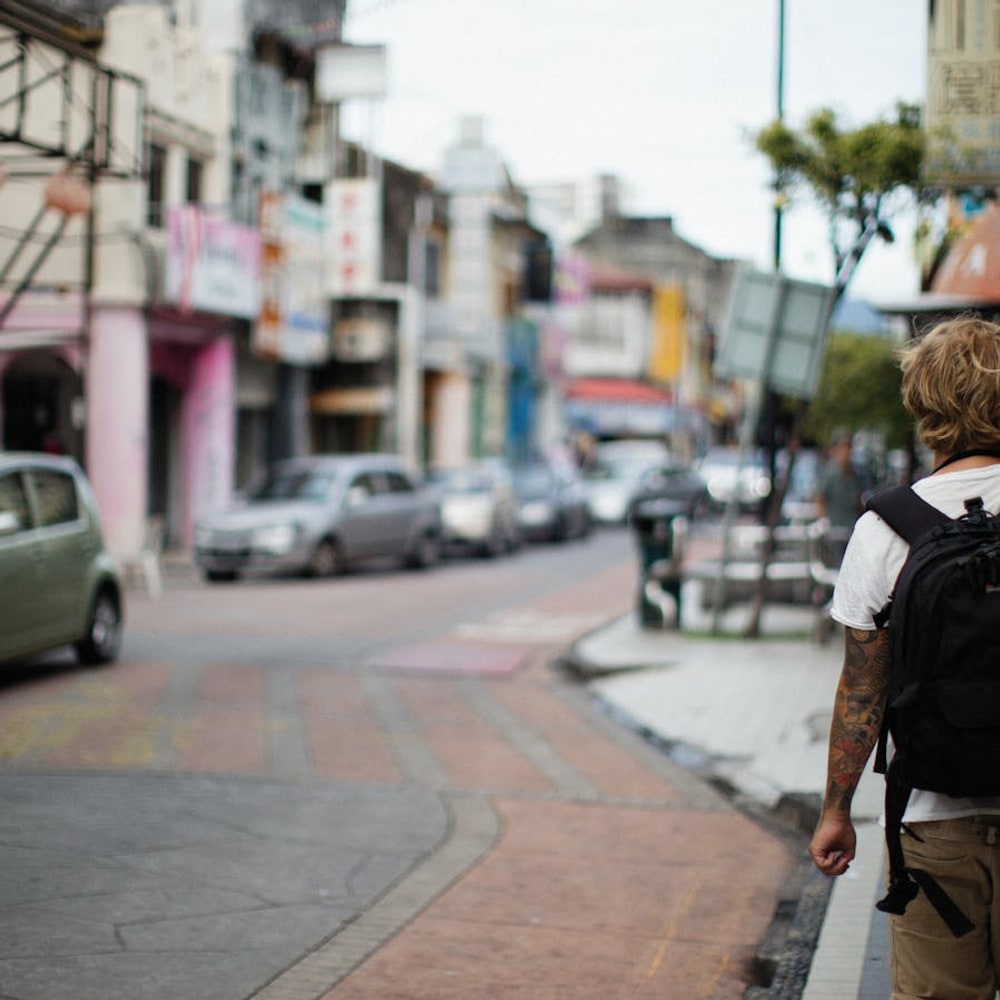
Social media changed the story, not only the supply
Feeds once showed couples on beaches. Now reels feature women mapping metros alone, men cooking hostel dinners, nonbinary travelers documenting train naps. Representation reduces shame. It does not remove risk—but normalizes preparation instead of prohibition.
Relationship timelines shifted
Many adults no longer assume marriage by thirty or shared vacations by default. They invest in self-knowledge trips—language months, pilgrimage walks, food cities—before merging lives. Solo adventures are identity work, not consolation prizes.
Wellness and burnout narratives
After collective stress years, travelers want control over noise, pace, and recovery. Solo trips let you sleep through museum morning if needed. Group trips rarely forgive that flexibility without friction.
Economics of going alone
Single supplements still hurt, but flight deal apps, hostel private rooms, and rail passes make solo less punitive. Sharing economy for tours and day trips fills gaps without permanent travel partners.
Safety data versus headline fear
Information access cut mystery, not risk. Travelers research neighborhoods, read women’s forums, buy insurance. Solo rising alongside better prep—not reckless abandon.
Environmental and slow travel overlap
Trains, cycling trips, and walking pilgrimages suit solo pacing. Less herd movement, more local spend if done respectfully. Sustainability narratives align with one bag and longer stays.
What industries learned
- Hotels: Smaller rooms, keyless entry, female floors.
- Tours: No-single-supplement weeks.
- Airlines: Seat selection for nervous first-timers.
- Insurance: Solo-specific policies marketed clearly.
Critics and realistic limits
Solo is not morally superior. Some places and activities stay safer or cheaper in pairs. Loneliness is real. The trend is choice expansion, not group travel shaming.
If you are considering your first solo
Start with supportive cities, short duration, one social anchor. The boom means more companions on the road—you are less alone in being alone than any generation before.
Future curve
Aging populations, digital nomad visas, and rail revival suggest solo travel keeps climbing. Companies that respect solo guests win loyalty; those that surcharge unfairly get roasted online.
More people choose solo adventures because coordination got harder and self-direction got easier. The passport stamp is personal—but the movement is collective.
Work culture and PTO fragmentation
Scattered vacation days favor long weekends solo near home plus one annual bigger trip. Employers rarely align team calendars anymore; individuals optimize personal calendars instead.
Creativity and sabbatical norms
Writers, designers, and developers take solo retreats to reset ideas. Cities market creator residencies. Solo travel becomes professional hygiene, not escape fantasy.
Family structures diversifying
Single parents travel with kids; others travel alone when kids are with ex-partners on opposite weeks. Solo adventures fill intentional adult time that co-parenting schedules create.
Community without conformity
Online solo travel groups share tips without requiring group trips. Identity-based communities—women, LGBTQ+, seniors—reduce friction and increase safety knowledge sharing.
Choosing solo in a coupled world
Partners who travel separately part of year report stronger relationships when communication is clear. Solo adventures are not anti-partnership—they are anti-waiting.
Climate and insurance tailwinds
Extreme heat and smoke seasons push travelers toward flexible solo dates—not group votes. Insurance products now market single-traveler policies plainly. Infrastructure follows money.
Education and gap years evolving
Students solo travel before university or between degrees as identity exploration, not rebellion. Universities sometimes grant deferrals for structured trips with reflection essays.
Counter-trend: group tours still grow
Solo rise does not kill groups—it parallelizes. Some travelers alternate yearly: solo city, group safari. Choice architecture expanded.
Policy and infrastructure lag
Hotels still price double rooms unfairly in some regions. Governments pitch family tourism while solo spend rises—expect continued policy catch-up. Solo travelers vote with bookings and reviews.
Personal agency narrative
Choosing solo is not rejecting others—it is practicing self-direction. That framing attracts people who were tired of waiting, not tired of people.
What the trend means for you
If you felt late to solo travel, you are on time. Infrastructure and community caught up. Start with a long weekend, measure comfort, expand. The rise of solo adventures is invitation—not competition to be the most extreme traveler online.
Data versus lived experience
Statistics show growth; your trip shows meaning. Why more people choose solo will keep rising as long as calendars stay fragmented and self-knowledge stays valuable. You do not need to join a trend to benefit from it—just one honest solo week can teach the same lesson.