Travel Visa Basics Every Tourist Should Understand
Visa rules are not optional trivia—a wrong assumption at check-in costs more than any flight upgrade ever would.

Visa rules are not optional trivia—a wrong assumption at check-in costs more than any flight upgrade ever would.



 Travel Guides
 Travel Guides
 Solo Adventures
 Solo Adventures
Visa rules are not optional trivia—a wrong assumption at check-in costs more than any flight upgrade ever would.
One week is enough for depth or breadth, never both—good itineraries pick a lane and stay in it.
Dream vacations stall when inspiration never becomes a dated checklist—this guide turns wish lists into booked tickets.
A weekend trip fails when it tries to be a week crammed into forty-eight hours—good planning picks one mood and protects sleep.
Peak season is crowded because the weather is right—stress drops when you stop fighting the calendar and start designing around it.
Family trips fall apart when adults plan for Instagram and kids plan for naptime—stress-free planning aligns calendars with actual energy.
One bag through security and straight to the street beats waiting at baggage claim—if your carry-on system is honest about airline rules.
The best solo travel apps in 2026 share one trait: they work when your battery is low and your patience is lower.
Confidence from solo travel is not bravado—it is repeated proof that you can solve small problems without an audience.

The best solo road trips pair open roads with reliable cell gaps, scenic pull-offs, and towns where one diner seat feels normal.

Solo adventures are booming because flexibility beat coordination—and because many travelers finally want itineraries that match their energy.
 Hidden Gems
2025-09-01
 Budget Travel
2025-10-17
 Local Culture
2025-12-02
 Travel Gear
2026-01-21
 Solo Adventures
2026-05-09
 Travel Guides
2026-06-06
Skip the capital checklist and base yourself in squares where market queues are locals-only and hotel owners learn your name by night two.

Untouched beaches in 2026 mean low marketing, not zero footprints—here is how to find them and visit without ruining them.

The best Tokyo café seats are earned with quiet manners, cash, and the patience to wander second-floor doors without a checklist.

The region's personality lives in villages where you learn one recipe, hear dawn alms, and stay long enough for neighbors to recognize you.

Forgotten castles are often paperwork problems, not quality problems—quieter stone and guides who still have time to answer questions.

Swap the highlight-reel highways for routes where barn architecture and roadside honey stands are the main attractions.
World travel on a modest budget is realistic when you treat money like a design problem instead of a lottery ticket.

These twenty countries prove that memorable comfort, culture, and scenery do not require a luxury-tier daily budget.

Budget airlines can fund more travel days, but only if you understand the fee map before you click buy.

Cheap flights are less about secret hacks and more about flexible rules, smart tools, and patient timing.
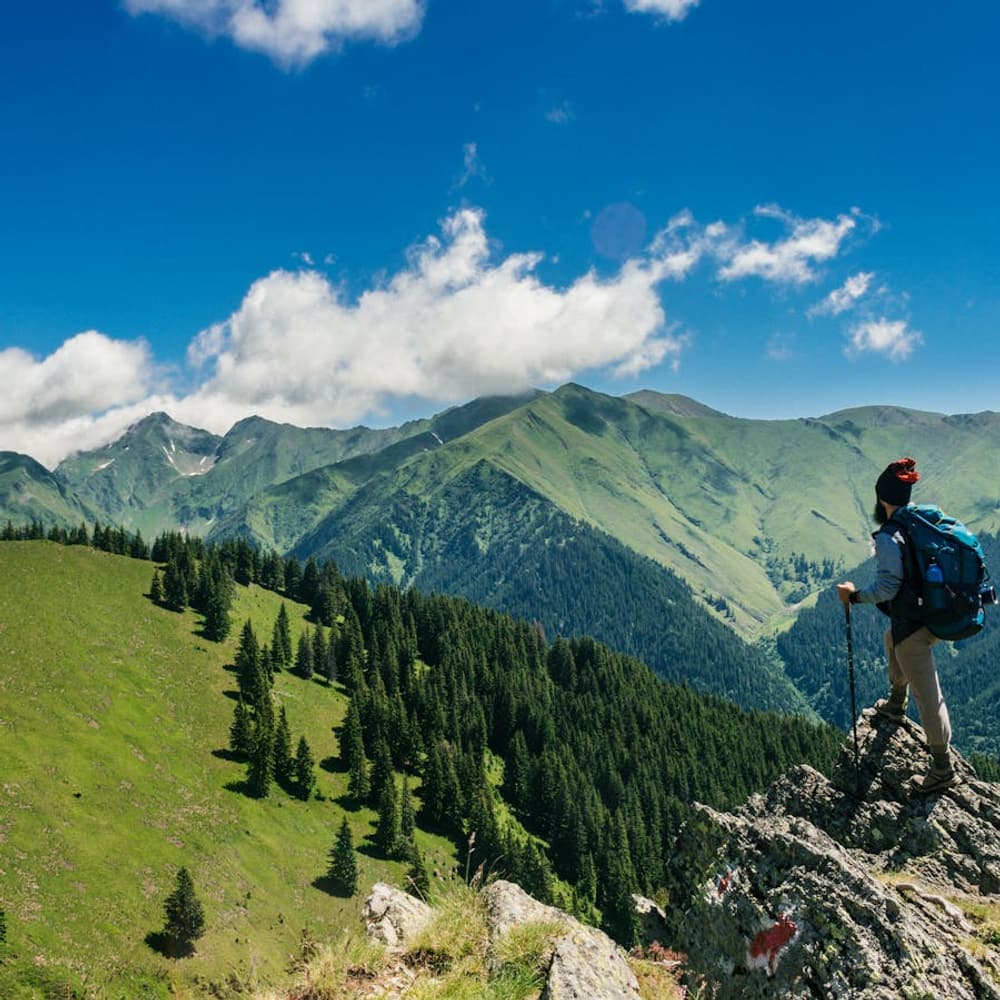
First-time backpackers can travel longer and stress less with the right pack, daily budget, and route discipline.

The right travel apps turn scattered receipts and guesswork into predictable savings on flights, stays, food, and transit.
Small etiquette slips can sour a trip—here is how to read local signals and show respect before you even speak the language.

The festivals worth crossing oceans for are rarely the loudest billboards—they are the ones tied to harvest, memory, and shared tables.
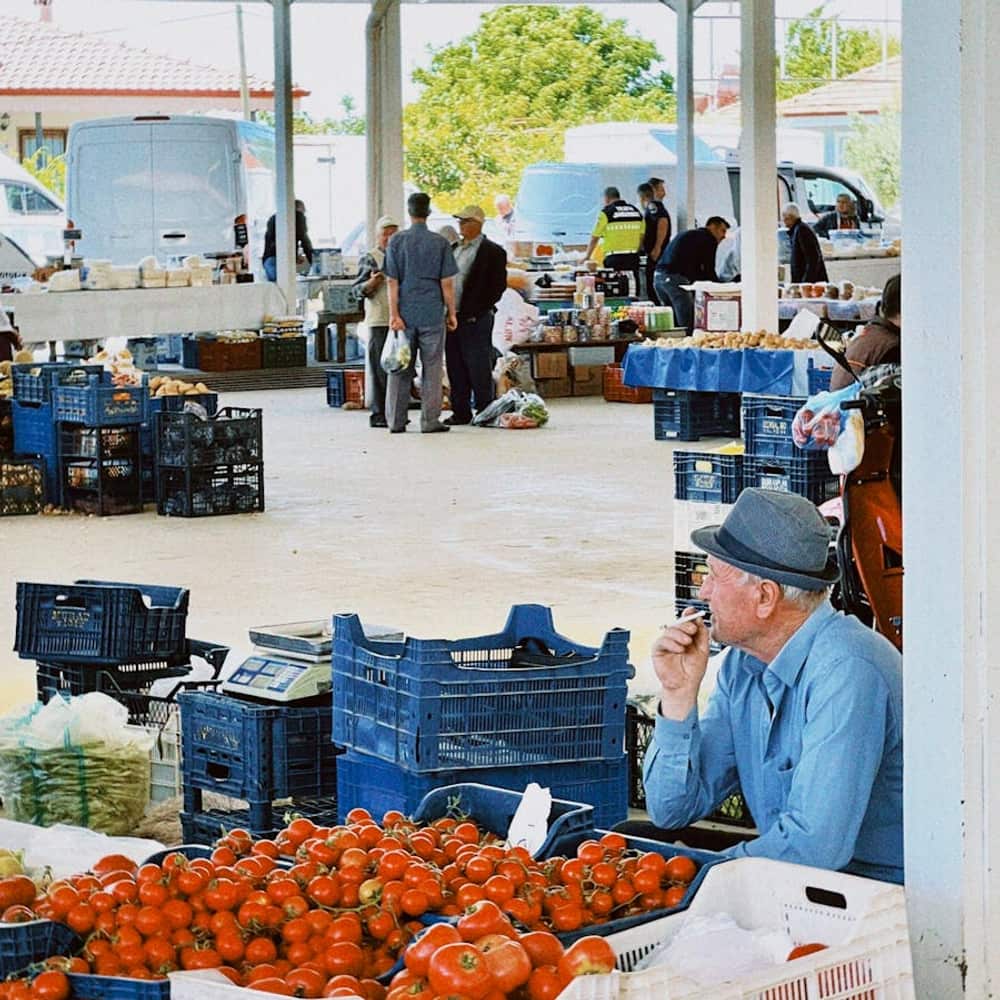
A country's plate is rarely accidental—staples, spice routes, and memory turn meals into a living map of who people are.
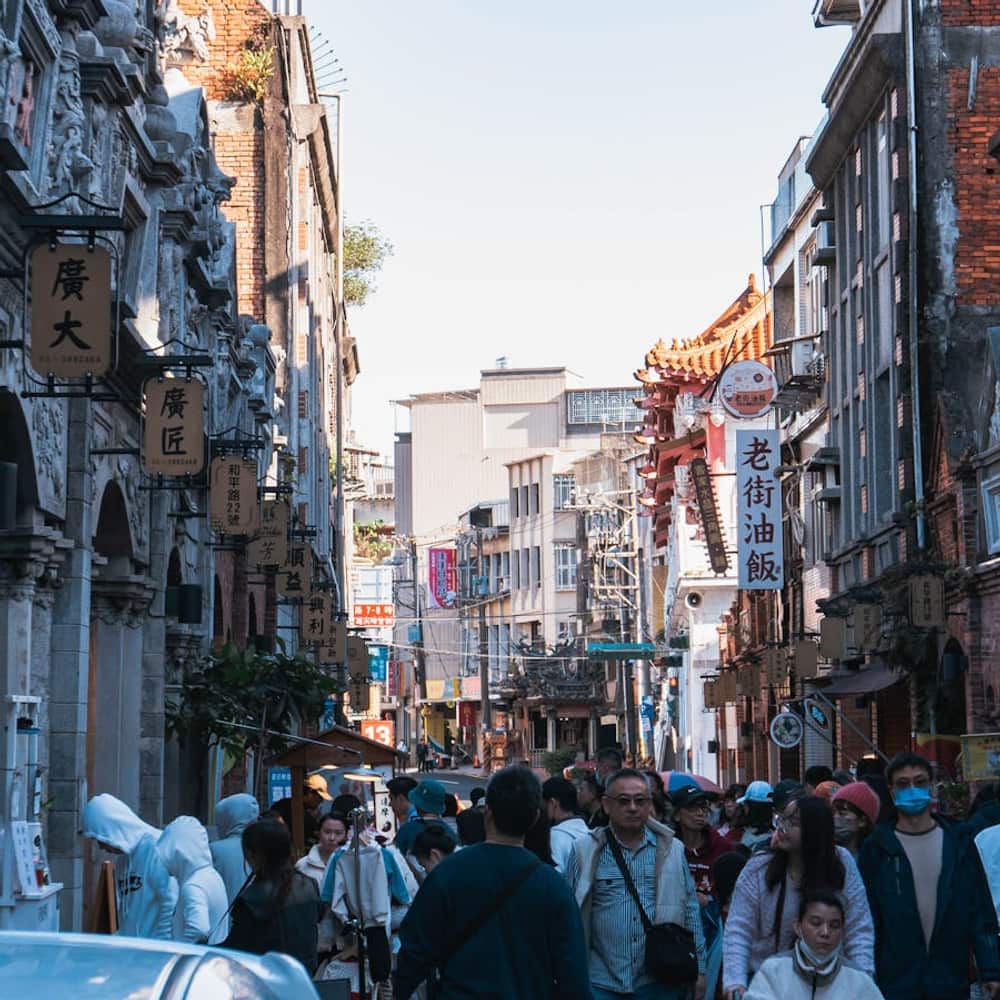
The markets worth flying for are loud, imperfect, and still run for neighbors first—show up early, cash ready, and curious.

A host family's kitchen table rewired how I travel: less performing, more listening, and far better questions.

Fabric is a sentence: cut, color, and weave tell you who a community was, is, and refuses to forget.
After a dozen airport seasons, my bag shrank while my trips got smoother—the gear that stayed earned its zip ties honestly.

The right carry-on backpack disappears on your shoulders until you need it—and clears the sizer without a negotiation at the gate.

Most travel gadgets are shelf candy; the ones that stay in my pouch solved a problem twice before I paid for them.

Light packing is not deprivation—it is deciding in advance what actually earns weight when your shoulders feel every gram.

A dead phone at landing is a paperwork problem now—portable chargers are travel infrastructure, not accessories.

My best travel photos came from gear I could carry up cathedral steps—not from the lens I left in the hotel because it weighed a kilo.
Traveling alone trains attention, judgment, and honest pace—and the shift often starts with one quiet meal you did not have to negotiate.
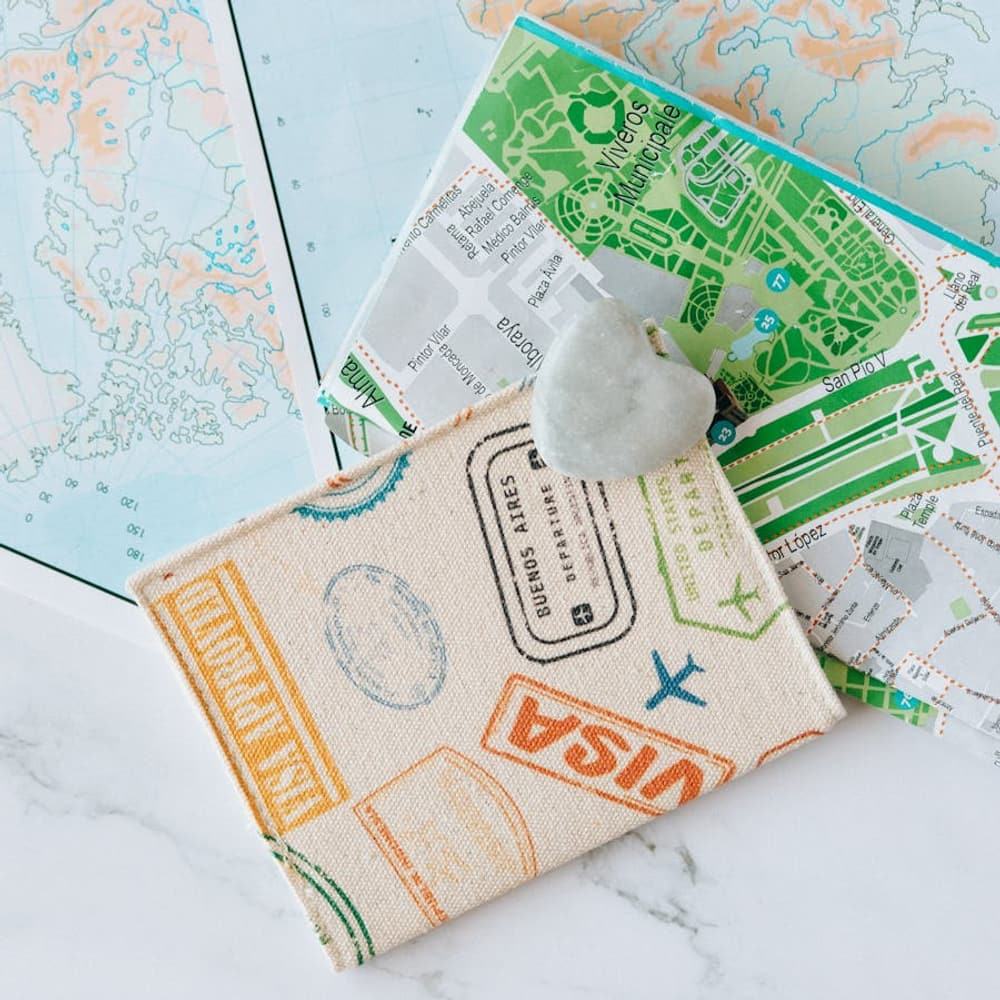
Your first solo passport stamp should come with good trains, clear signage, and room to recover from rookie mistakes.
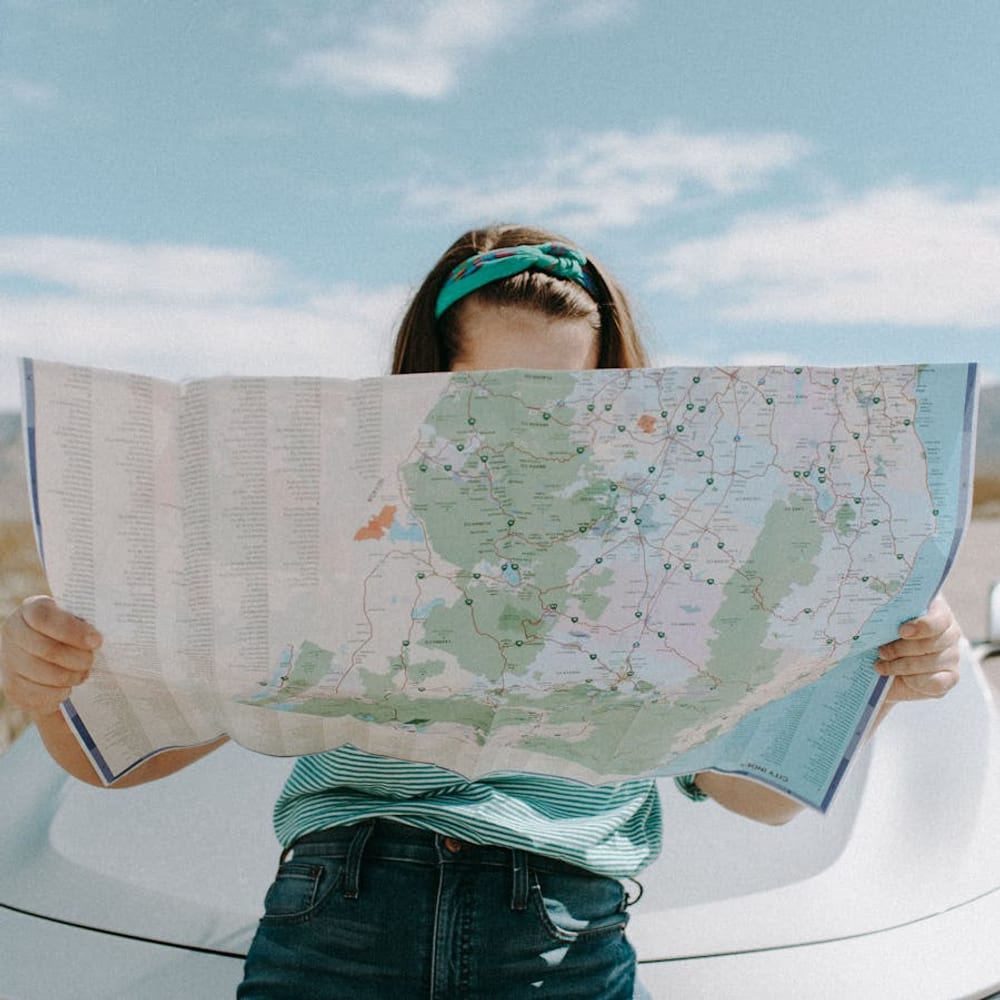
Staying safe alone is mostly repeatable habits—share plans, arrive in daylight, and trust early exits when a street feels wrong.

Most beginner solo trips fail softly: too much luggage, too little sleep, and itineraries that treat curiosity like a checklist race.

Traveling alone hands you the calendar and the bill—freedom feels light until loneliness, cost, and every decision land on one person.

The best cities for women traveling alone combine late-night transit, honest signage, and streets where solo café tables are routine—not novelty.
International travel is logistics wearing a postcard—here is the beginner sequence that keeps borders boring and adventures intentional.

Seven days in Tokyo works when you thread neighborhoods by day instead of trying to win the entire city in one subway app session.

Southeast Asia backpacking is affordable but not effortless—route slow, respect seasons, and let guesthouse dogs veto your next bus.

The best month to visit depends on whether you want sun, empty museums, or harvest wine—not on a generic influencer calendar.

The perfect road trip is the one passengers would repeat—structure loose enough for fruit stands, tight enough for sleep.
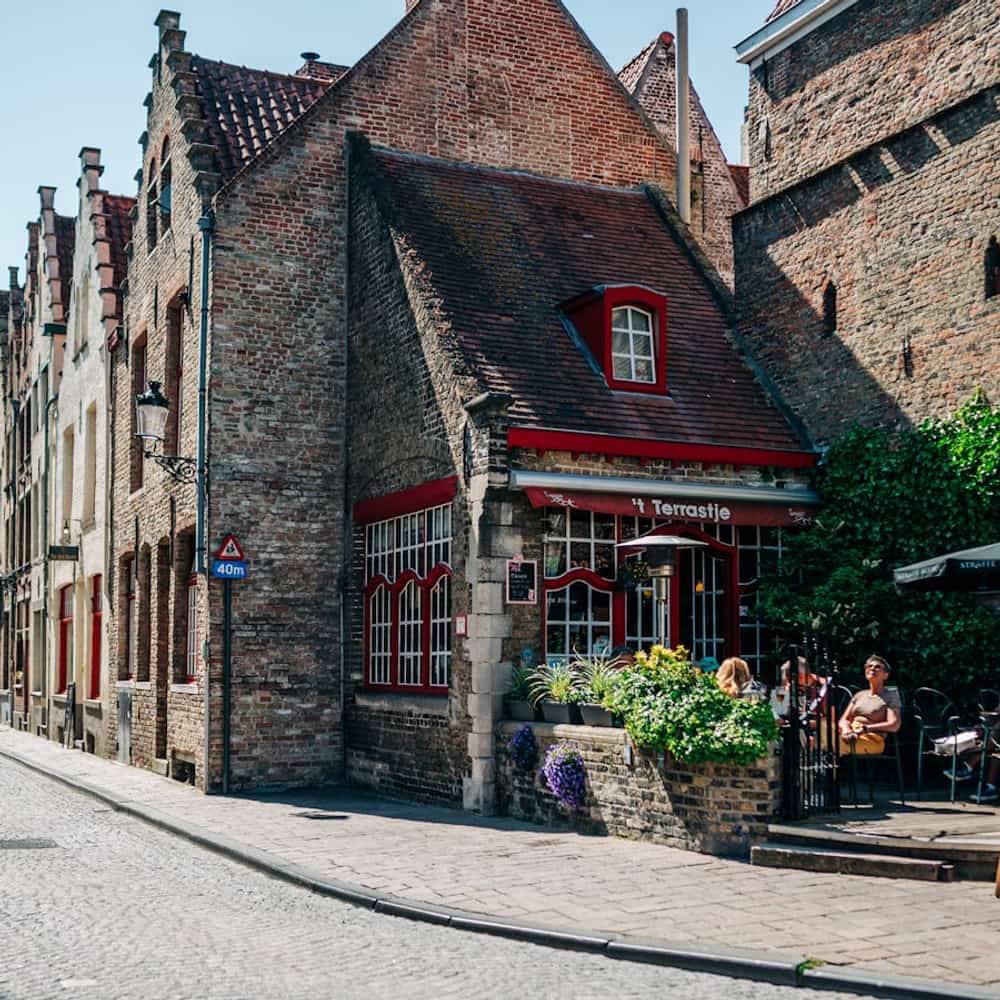
Europe trips improve when you understand Schengen days, Sunday closures, and why two countries beat five capitals in one week.